Kikoji Temple, Nara: Gyoki's Temple Said to Be the Model for Todai-ji's Great Buddha Hall (Lotus Season, the Trial Great Buddha Hall, Walking Route from Yamato-Saidaiji Station)
📢 Affiliate Disclosure: This article may contain affiliate links. If you make a purchase or booking through these links, we may earn a small commission to help support the blog. Thank you for your understanding. → Privacy Policy
🏨 Looking for a place to stay in Nara? → See where to stay
Did you enjoy No. 010 — Chokyuji Temple? I hope you liked that hydrangea temple where the people of Ikoma come to relax.
This time, for No. 011, we are back at Yamato-Saidaiji Station. Just like Saidaiji Temple from No. 002, this is a temple you can walk to from the station's South Exit — about 20 minutes on foot: Kikoji Temple.
Kikoji was founded by Gyoki, a great Buddhist monk of the Nara period. Its main hall is known as the "Trial Great Buddha Hall," because, according to legend, Gyoki built it before the Great Buddha Hall of Todai-ji. And it was here that Gyoki ended his life of 82 years. In summer, about 250 pots of lotus flowers fill the grounds with color, and it is also known as a lotus temple.
I visit this temple at the same time every year. This article is about Kikoji in lotus season, on Saturday, July 11, 2026. It is about the lotus season, so please use it to plan your trip for next year.
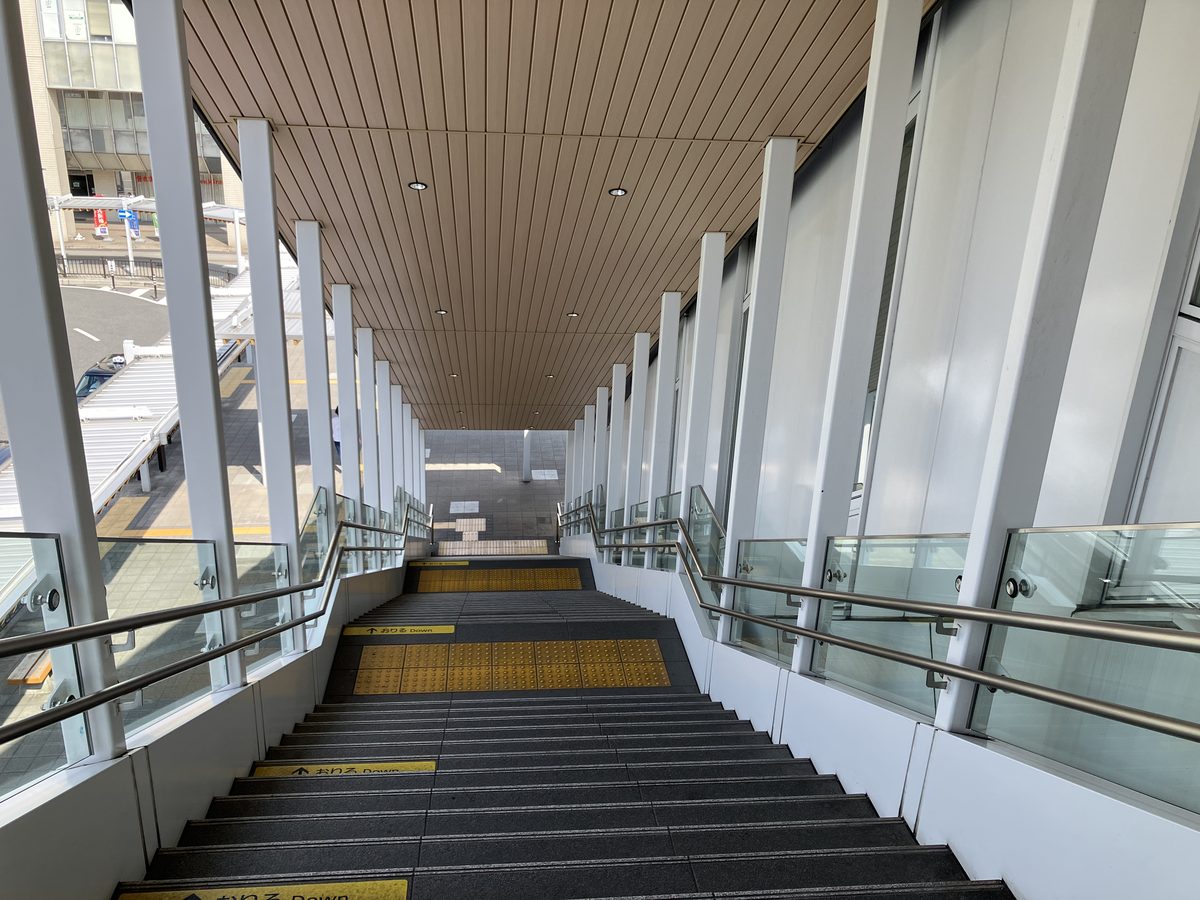
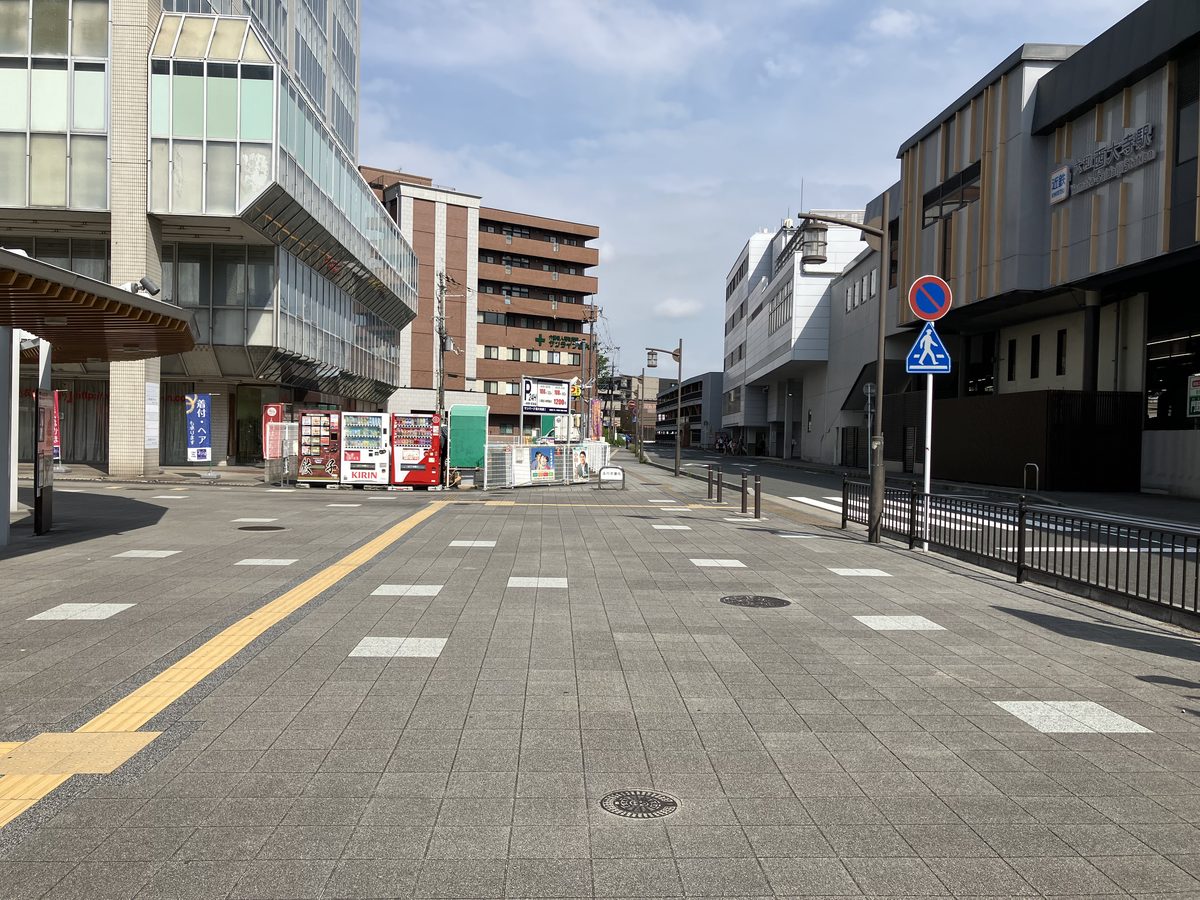
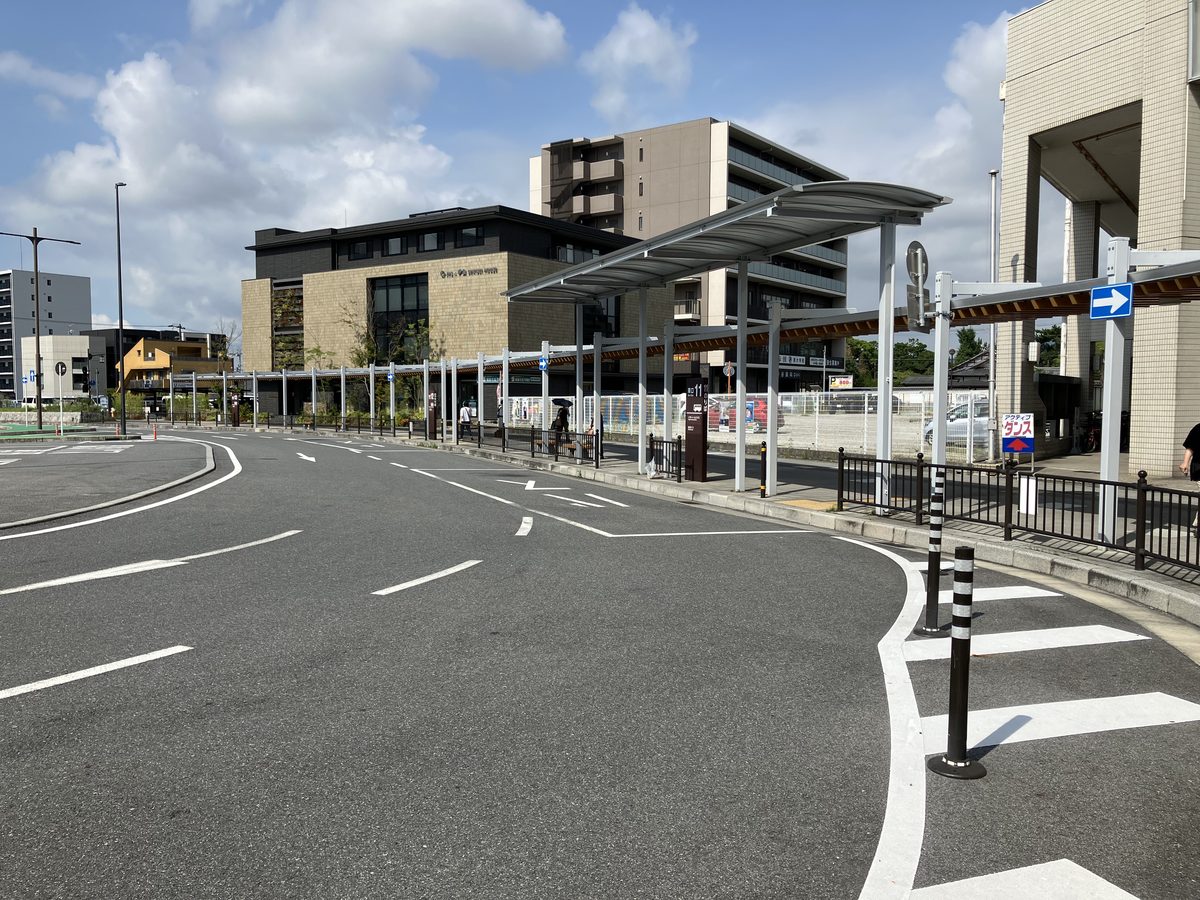
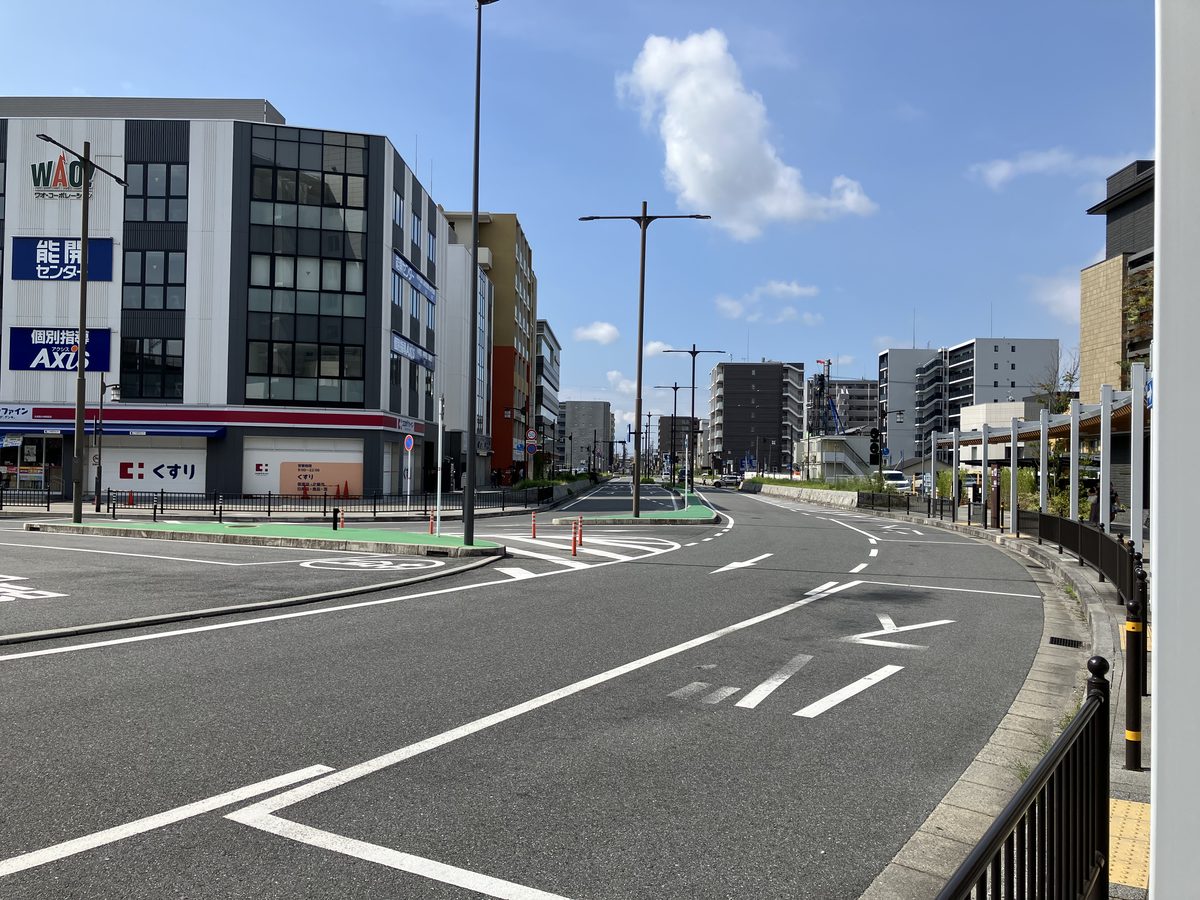
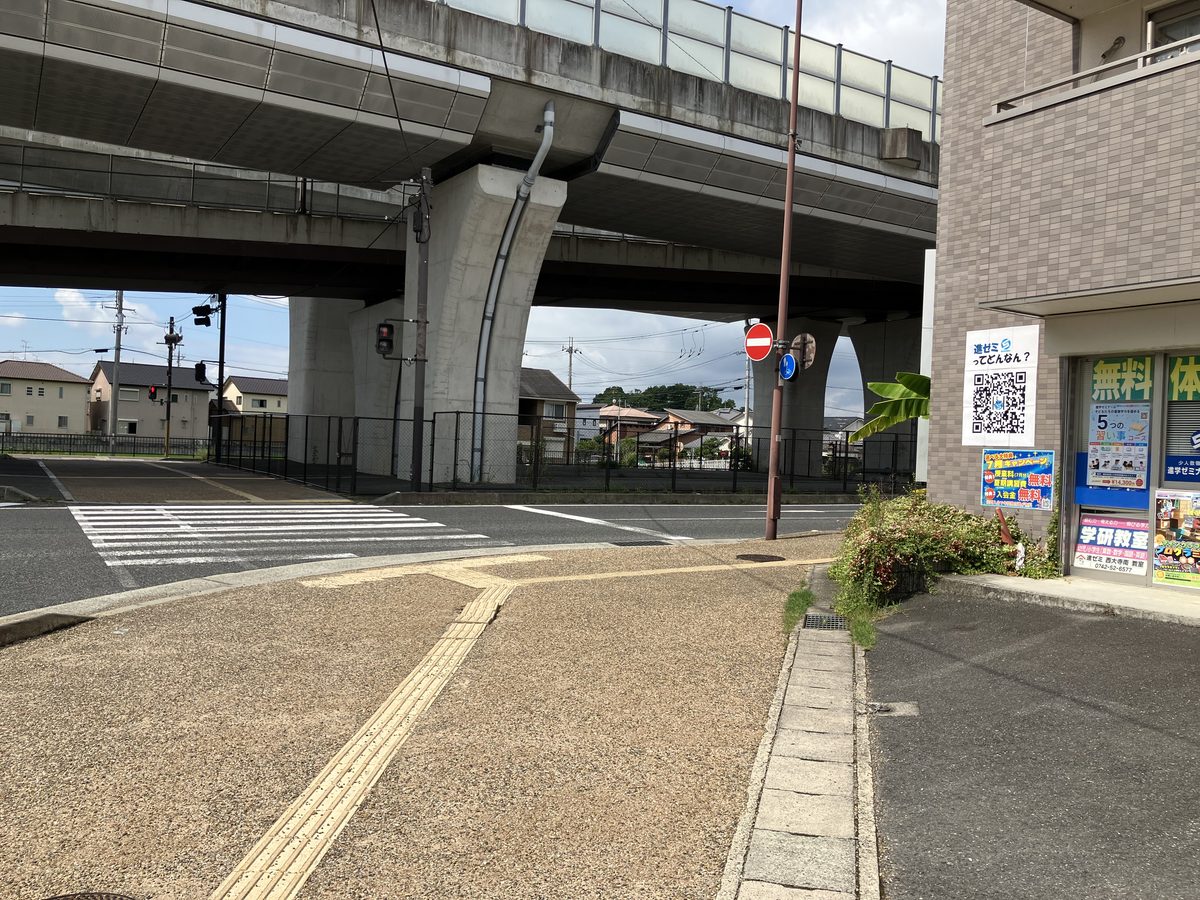
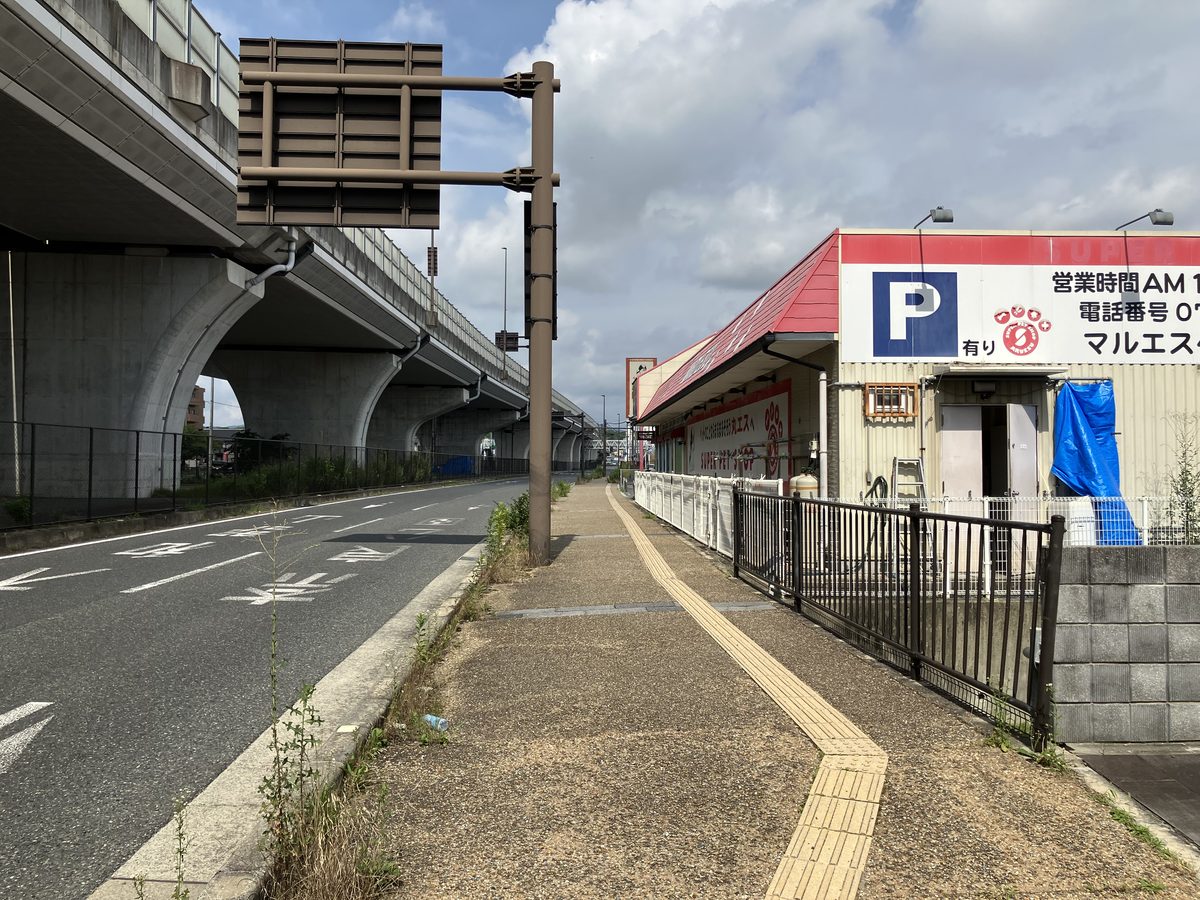
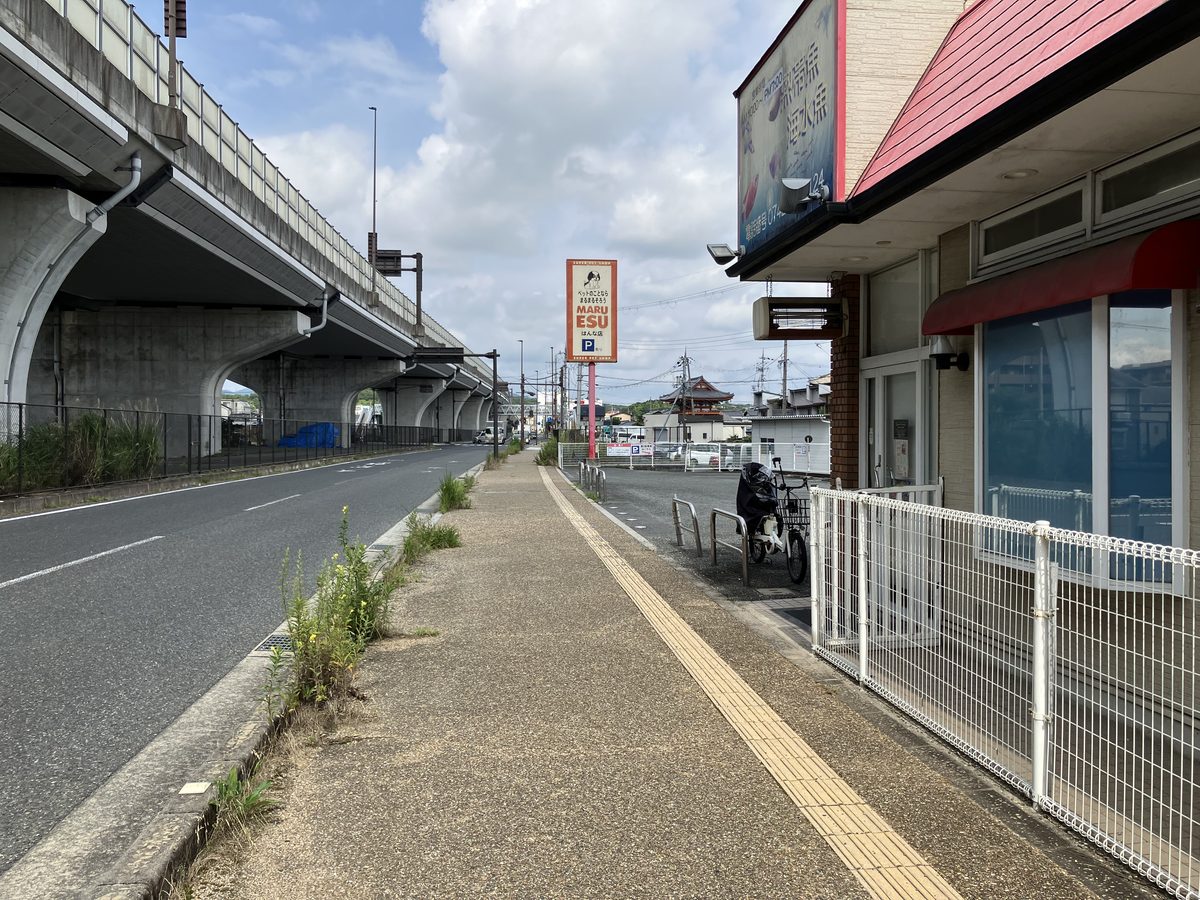
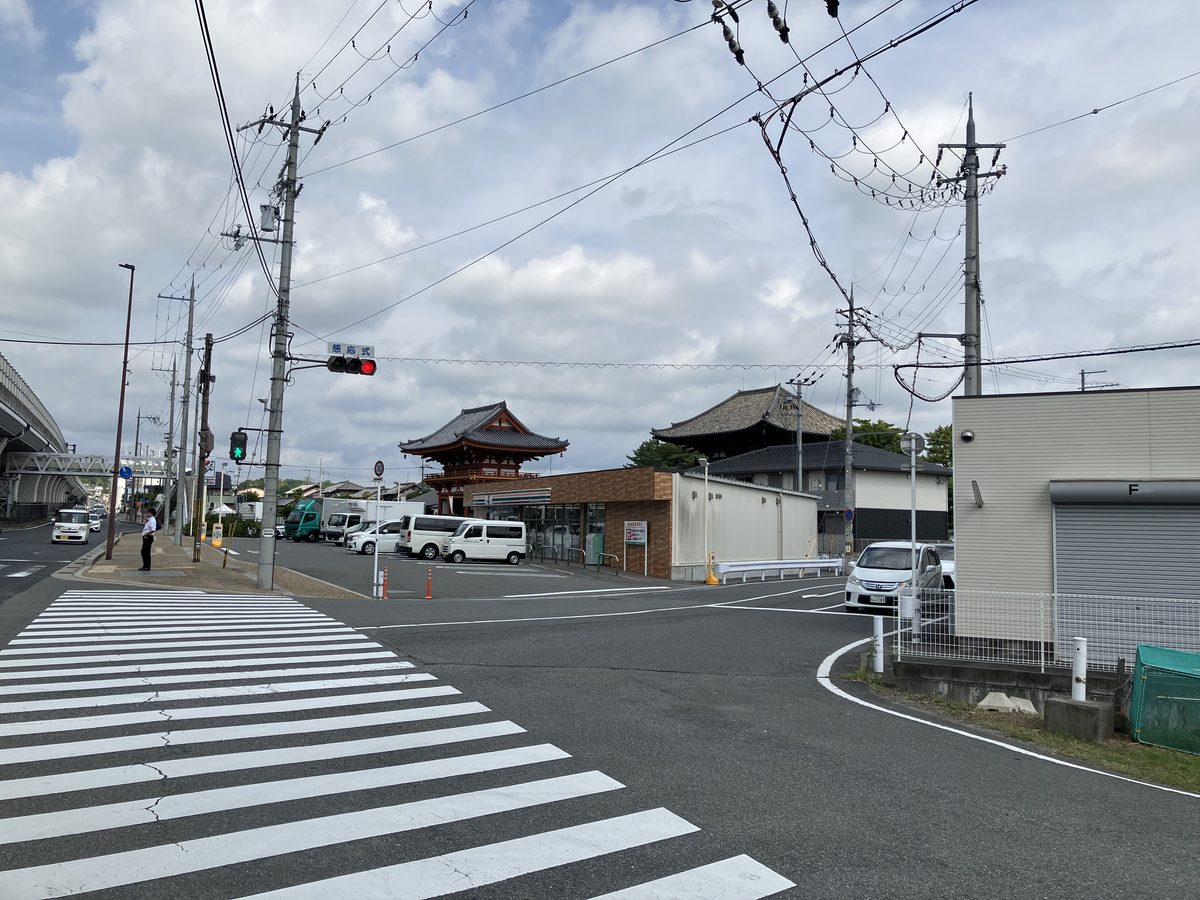
This article guides you on foot from the South Exit of Yamato-Saidaiji Station on the Kintetsu Nara Line, with photos (about 20 minutes, about 1.4 km). There is only one turn.
According to the temple, the nearest station is Amagatsuji Station on the Kintetsu Kashihara Line (about 10 minutes on foot). I explain why I still walk from Yamato-Saidaiji Station in the directions section.
About Kikoji Temple — Founded by Gyoki, and Where He Spent His Last Days
From "Sugawara-dera" to "Kikoji"
Kikoji's story begins in 721, in the Nara period. Gyoki received a gift of land in the Ukyo district of the capital Heijo-kyo from a local resident and founded a temple there. It was first called "Sugawara-dera," after the name of the area. Of all the temples Gyoki built, this was the only one inside the capital, Heijo-kyo (according to the temple).
In 748, Emperor Shomu visited the temple to pray before its principal image. It is said that a mysterious light shone from the image, and the delighted emperor gave the temple the name "Kikoji" — "the temple of joyful light."
The Temple Where Gyoki Ended His Life
Gyoki was a monk who helped people's lives by building ponds, bridges and roads around the country, and who spread the teachings of the Buddha. People revered him as a "bosatsu" (bodhisattva), and in his later years, at the request of Emperor Shomu, he devoted himself to building the Great Buddha of Todai-ji. According to the temple, in his last years Gyoki went from Kikoji to direct the work on the Great Buddha.
On the 2nd day of the 2nd month of 749, Gyoki ended his life of 82 years here at Kikoji. He did not live to see the Great Buddha completed. Even today, the 2nd of every month is the "Kikoji Ennichi" (temple fair day), with a memorial service and a Buddhist talk in his memory.
The Main Hall Known as the "Trial Great Buddha Hall"
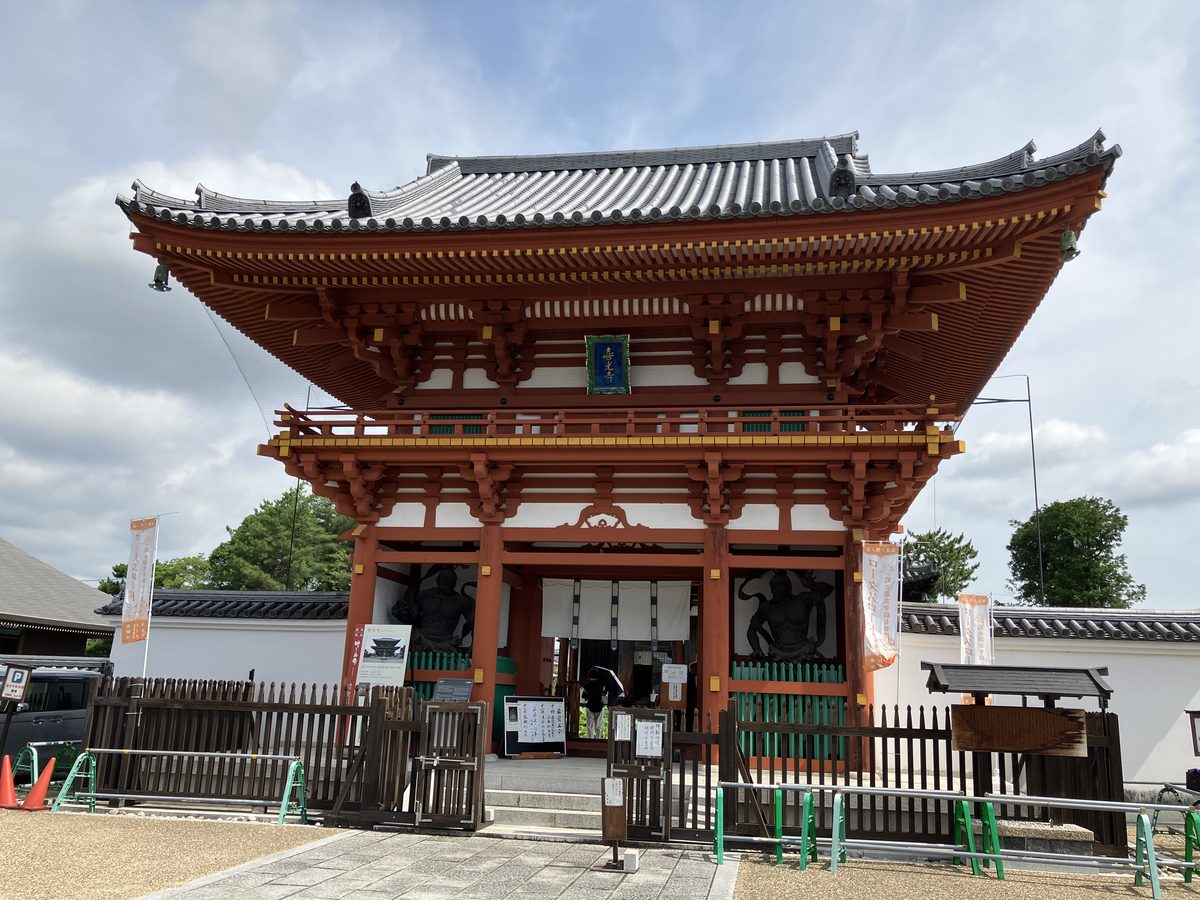
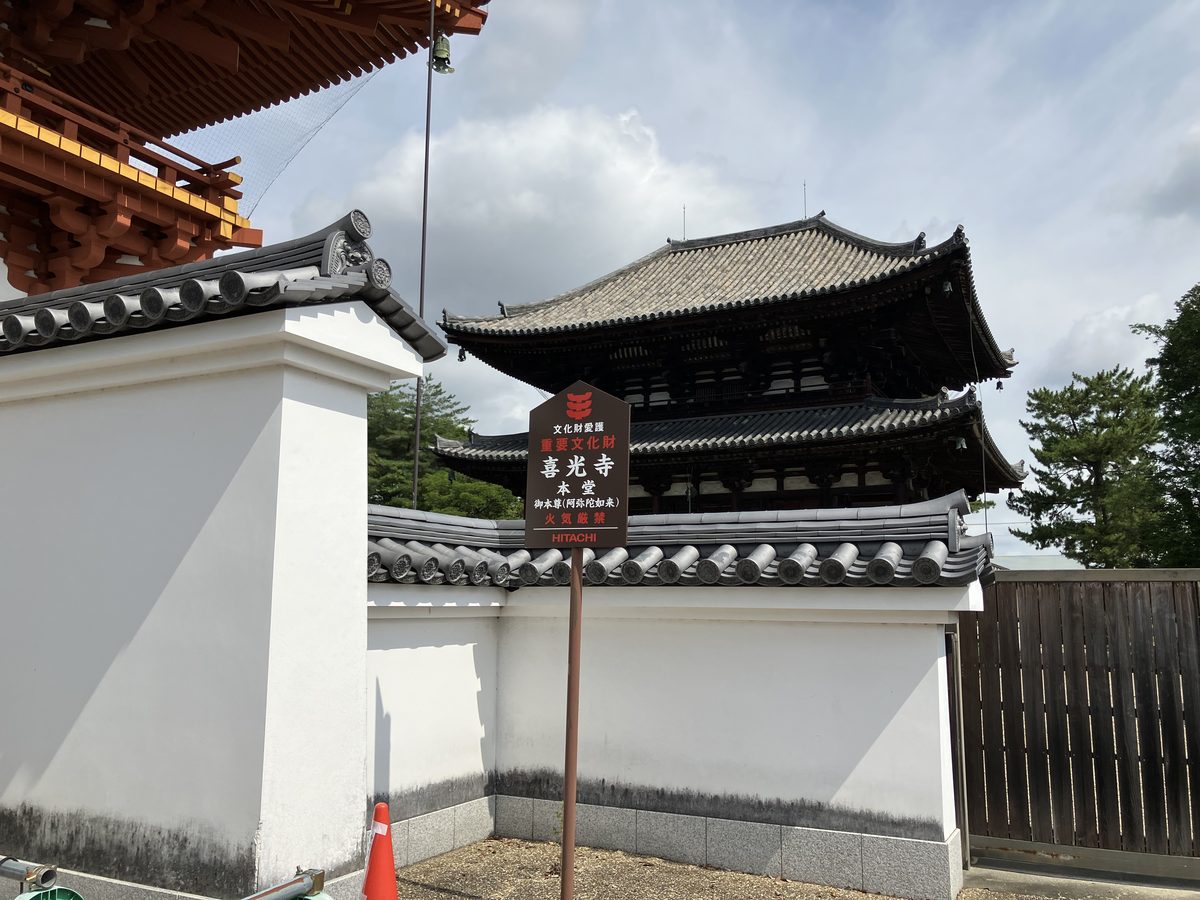
Kikoji's main hall (an Important Cultural Property of Japan) is known as the "Trial Great Buddha Hall." This is because of a legend that Gyoki built this temple's main hall before he built the Great Buddha Hall of Todai-ji.
However, the original main hall burned down in a war fire in 1499. The present main hall was rebuilt in 1544. Although it is smaller than the original, it is about 17 meters tall, and standing in front of it, you are overwhelmed by its size (according to the temple).
Hard Times and a Revival in the Heisei Era
In the Warring States period, the South Gate and other buildings were lost to war fires, and after the separation of Buddhism and Shinto in the Meiji era, the temple fell into such ruin that it nearly disappeared. The poet Aizu Yaichi, who visited in the Taisho era, left a poem grieving over the desolate temple.
From the Heisei era on, the temple's revival moved forward. Thanks to connections made with people all over Japan through "Iroha sutra copying," the South Gate was rebuilt in 2010, for the first time in about 450 years. The Gyoki-do hall was built in 2014, and the Busshari-den hall in 2021.
By the way, Kikoji's Edo-period statue of Gyoki left the temple in the Meiji era and is now enshrined at Saidaiji Temple (according to the temple). The two temples, both within walking distance of Yamato-Saidaiji Station, are connected in this way, too.
Access (Basic Information)
Yamato-Saidaiji Station – Kikoji Temple (on foot)
· Shortest distance: about 1.4 km
· Time: about 20 minutes
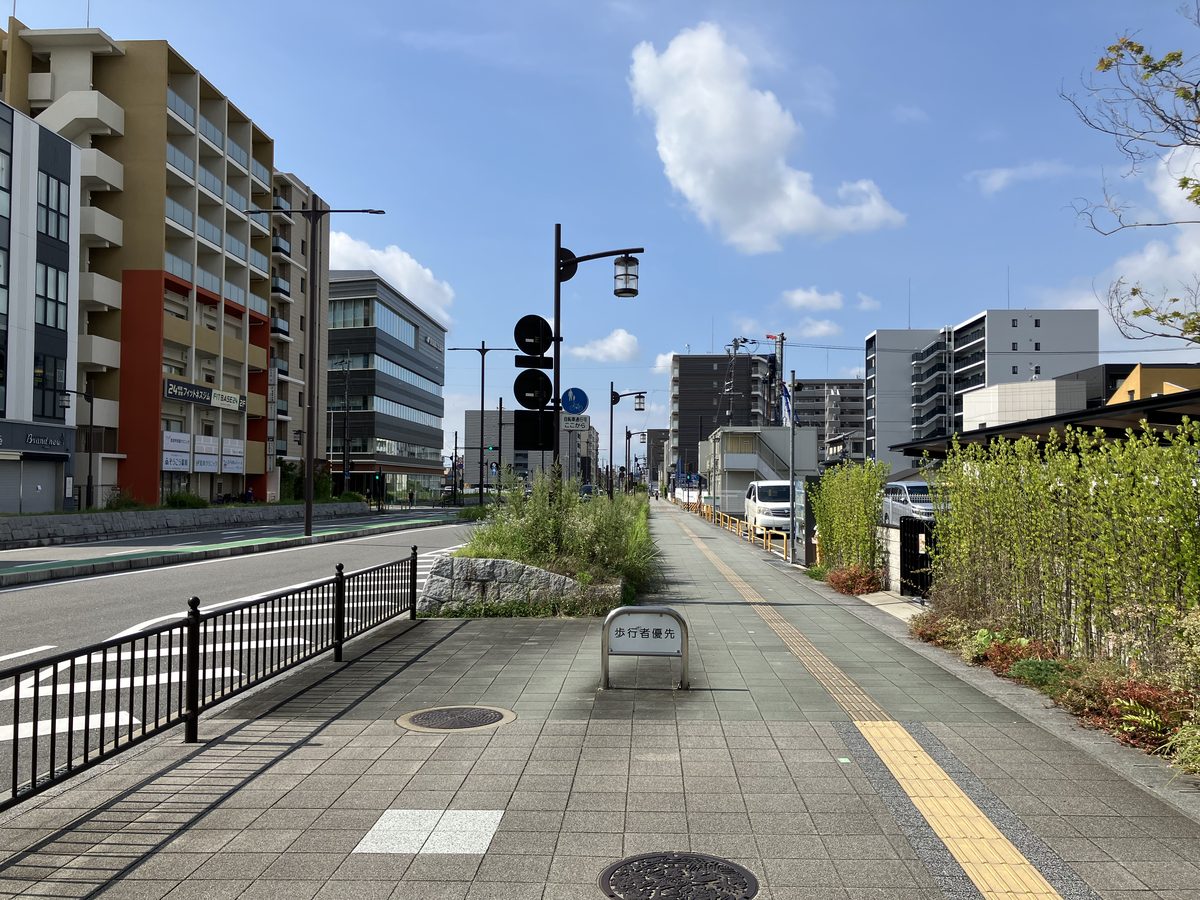
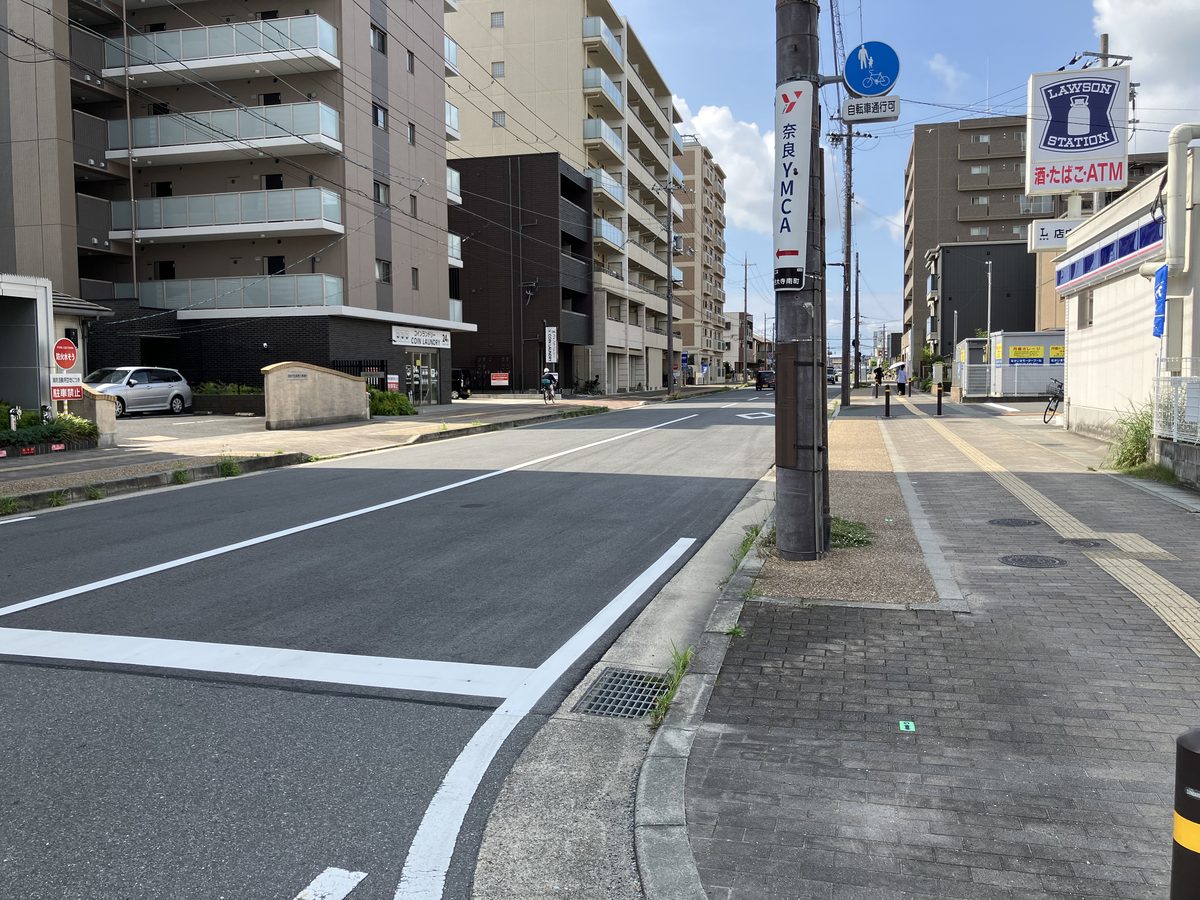
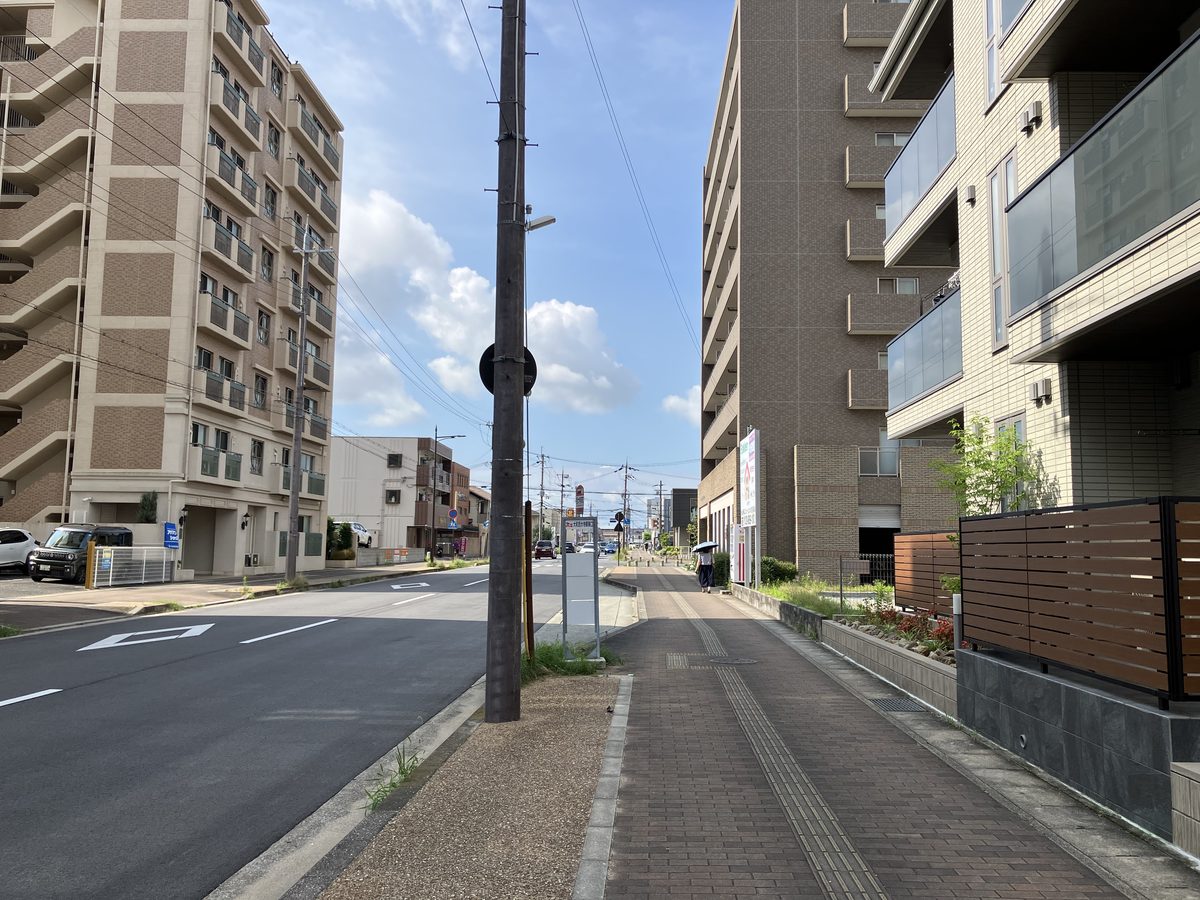
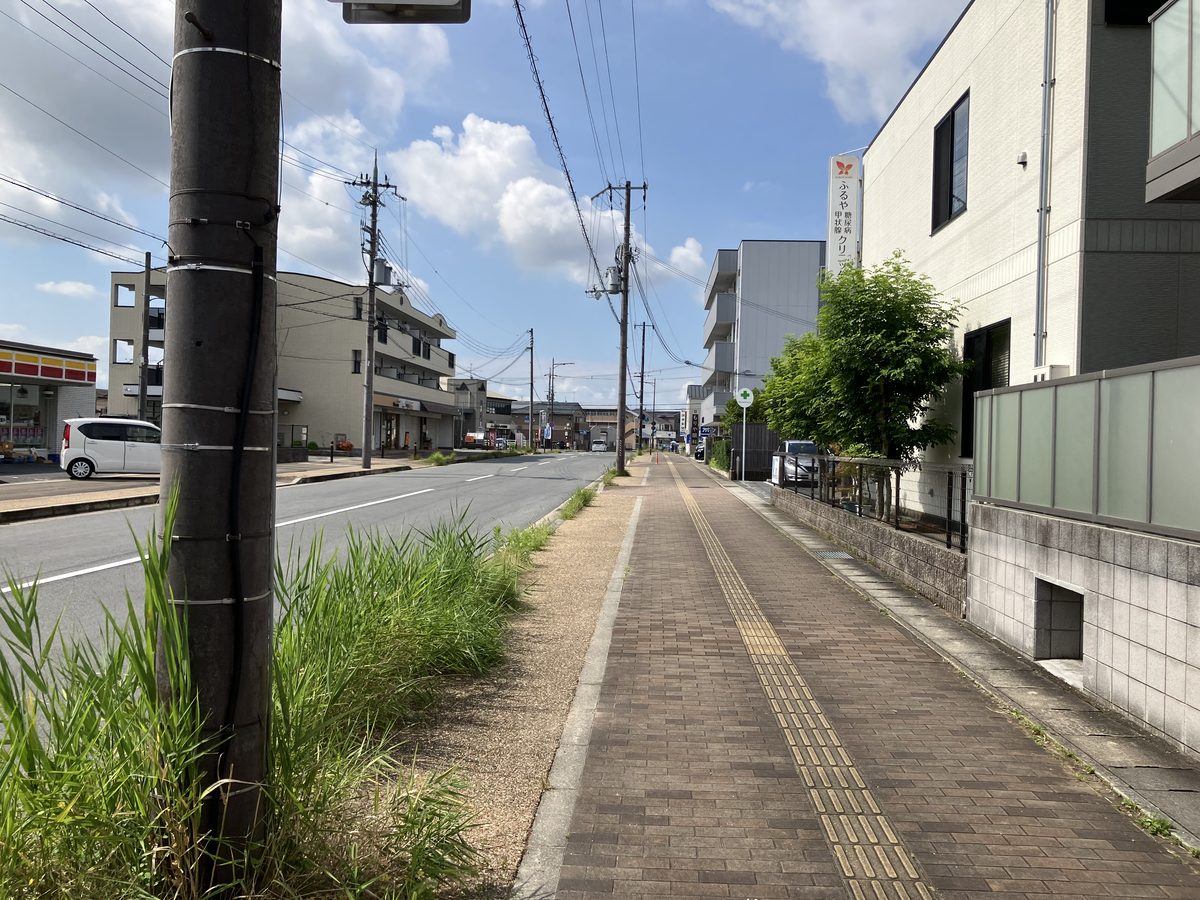
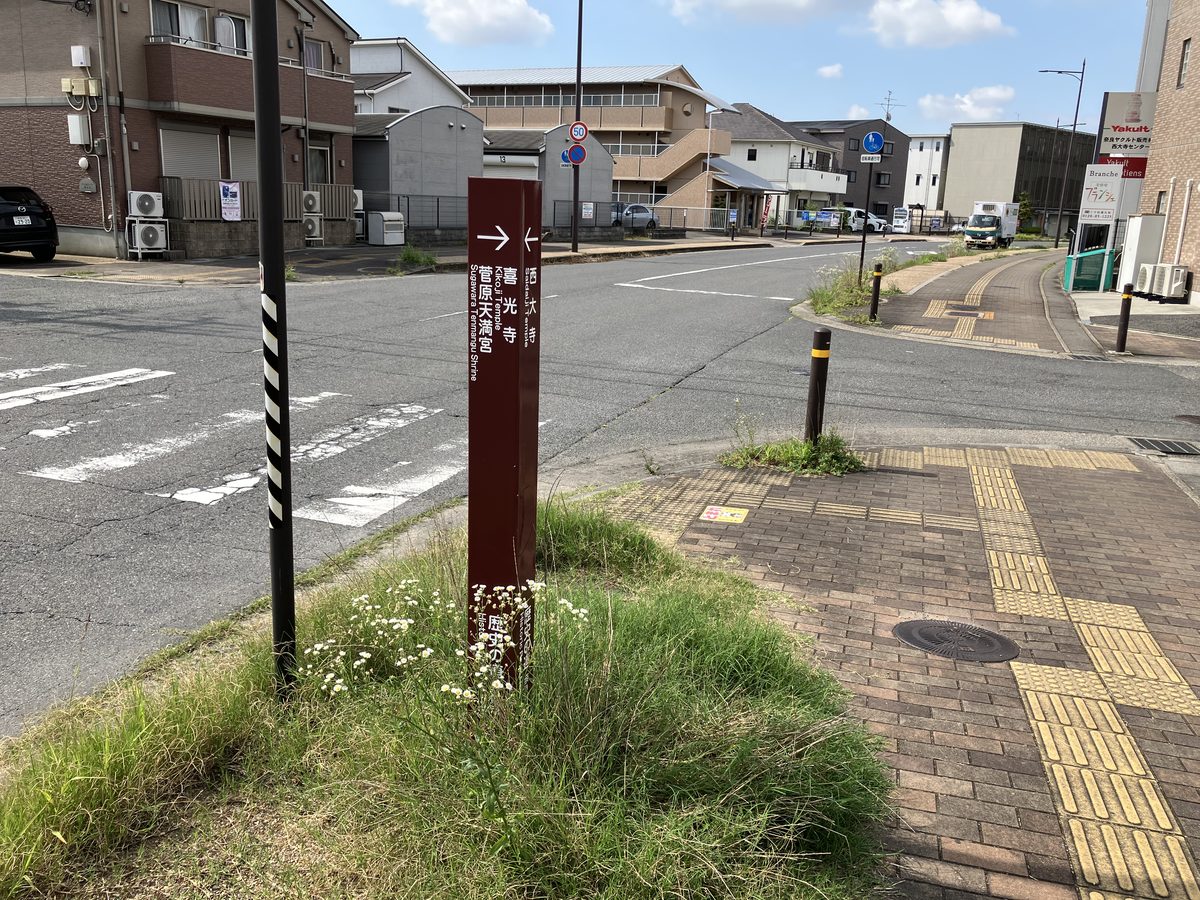
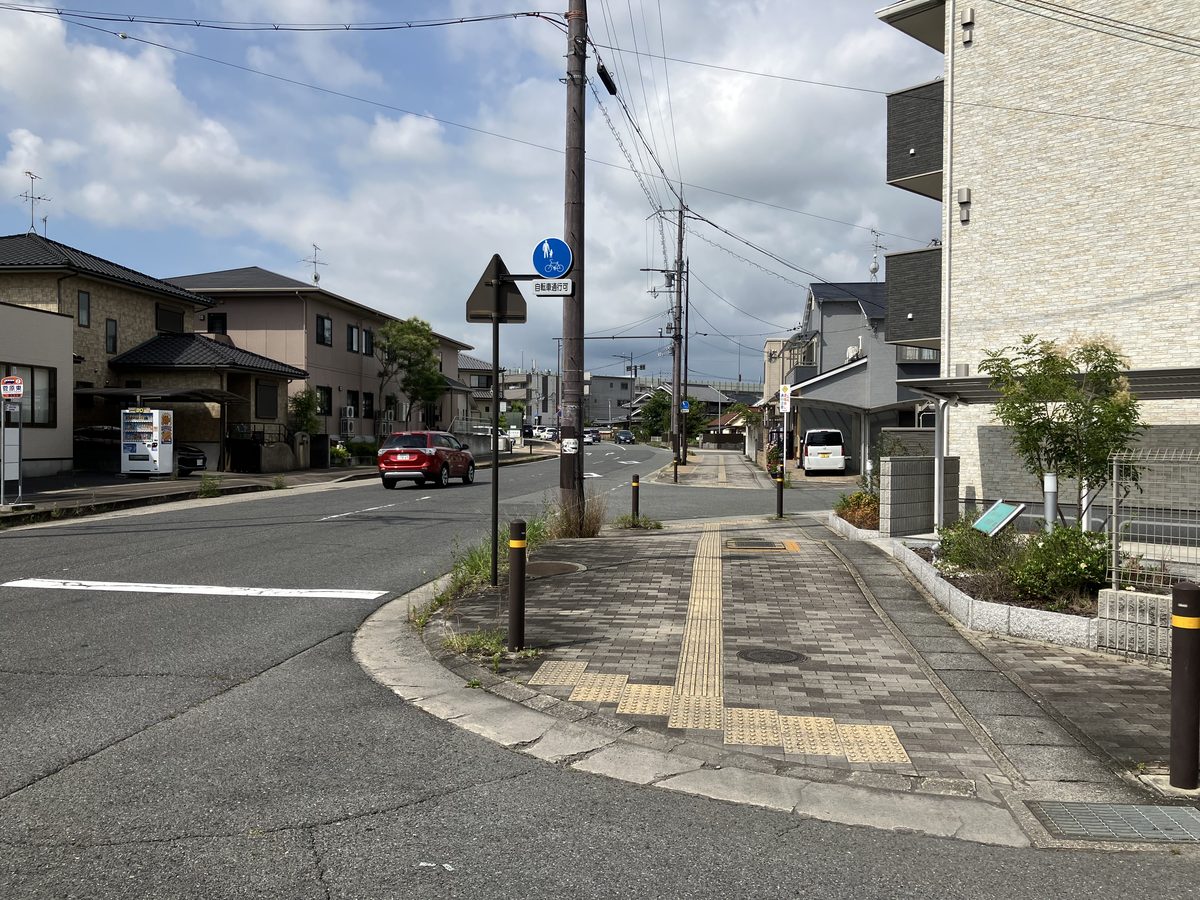
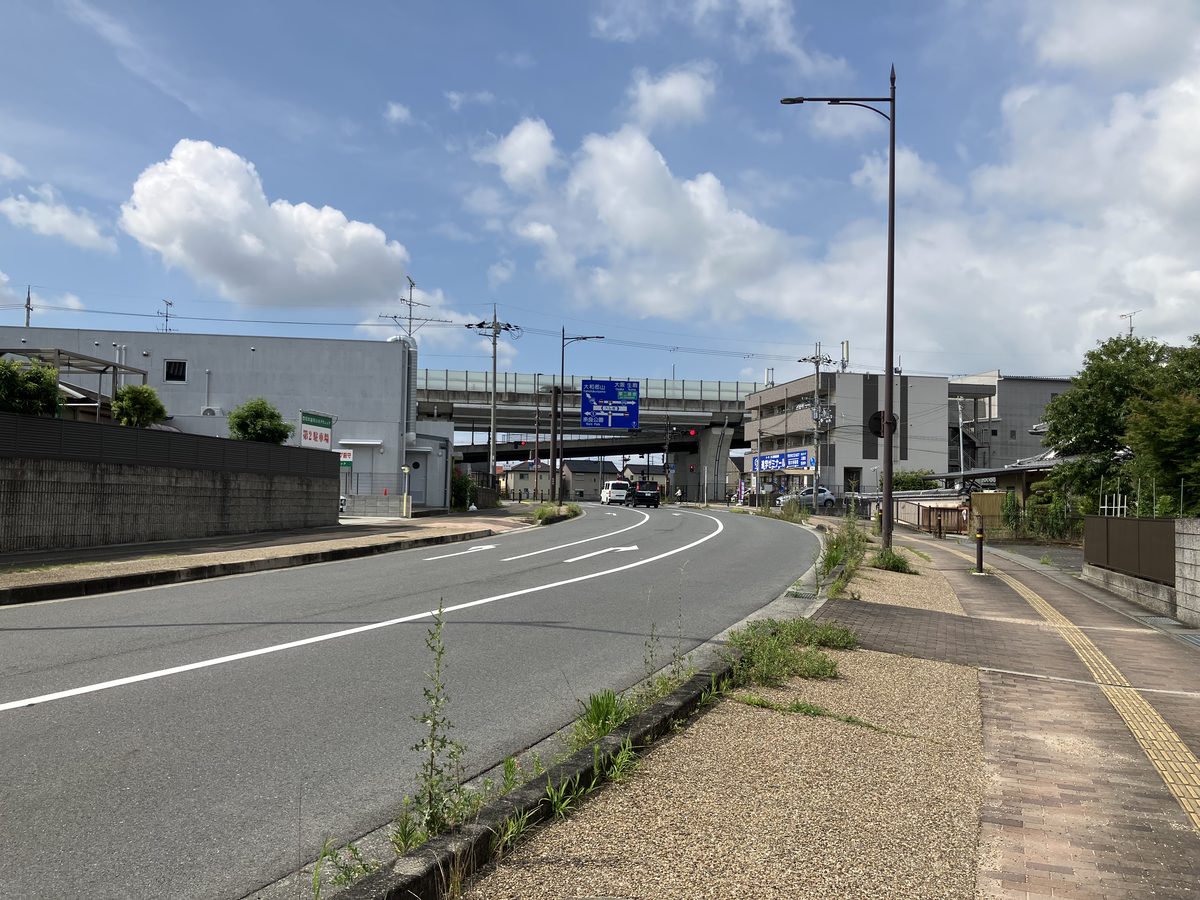
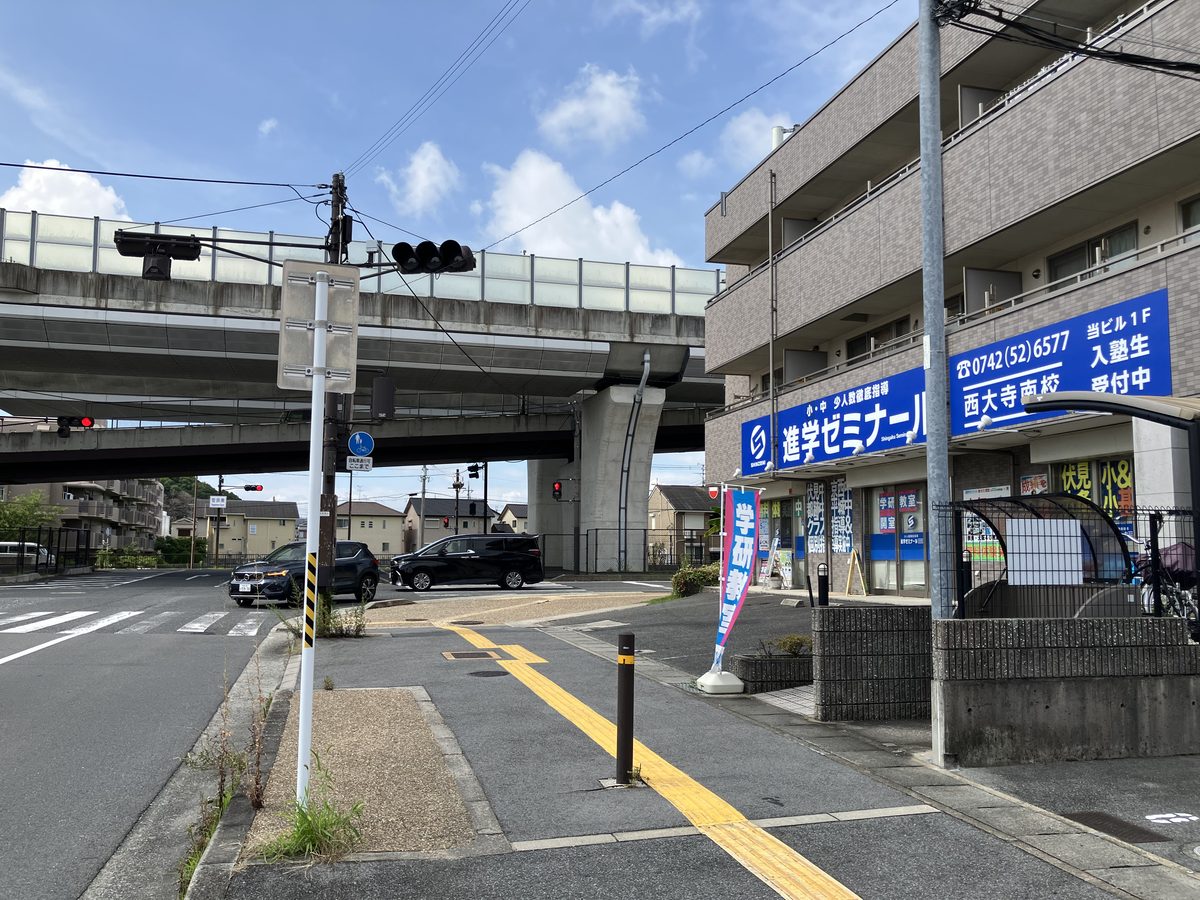
· Route: Leave Yamato-Saidaiji Station by the south side exit, head south, turn right just before National Route 308, and walk on for a while to arrive.
Getting to Kikoji Temple from Yamato-Saidaiji Station
According to the temple, the nearest station to Kikoji is Amagatsuji Station on the Kintetsu Kashihara Line (about 10 minutes on foot). Even so, there is a reason I guide you on foot from Yamato-Saidaiji Station on the Kintetsu Nara Line in this article.
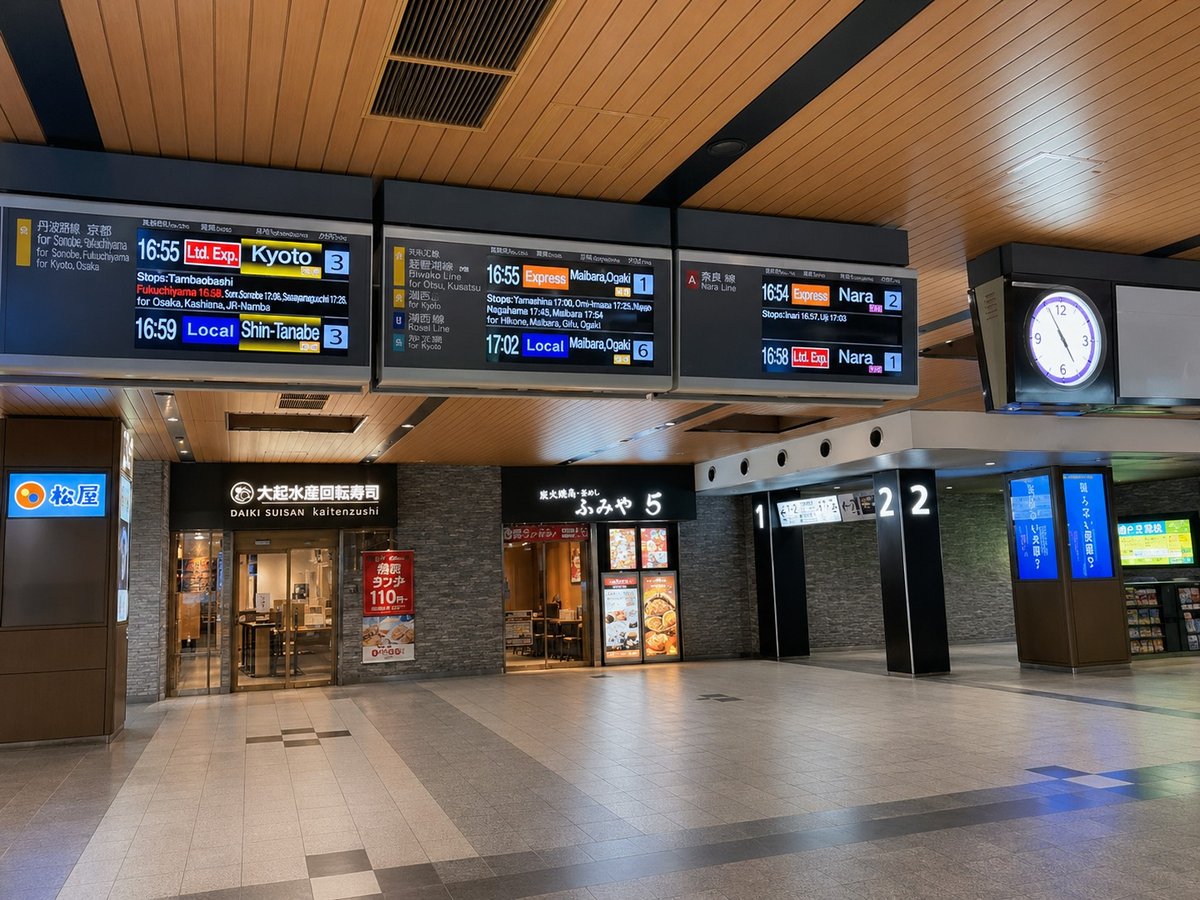
Yamato-Saidaiji Station is convenient both for people coming from Osaka or central Nara on the Kintetsu Nara Line and for people coming from Kyoto on the Kintetsu Kyoto Line. Whichever line you come on, getting to Amagatsuji Station takes one more step. On top of that, the streets from Amagatsuji Station are narrow and a little hard to follow.
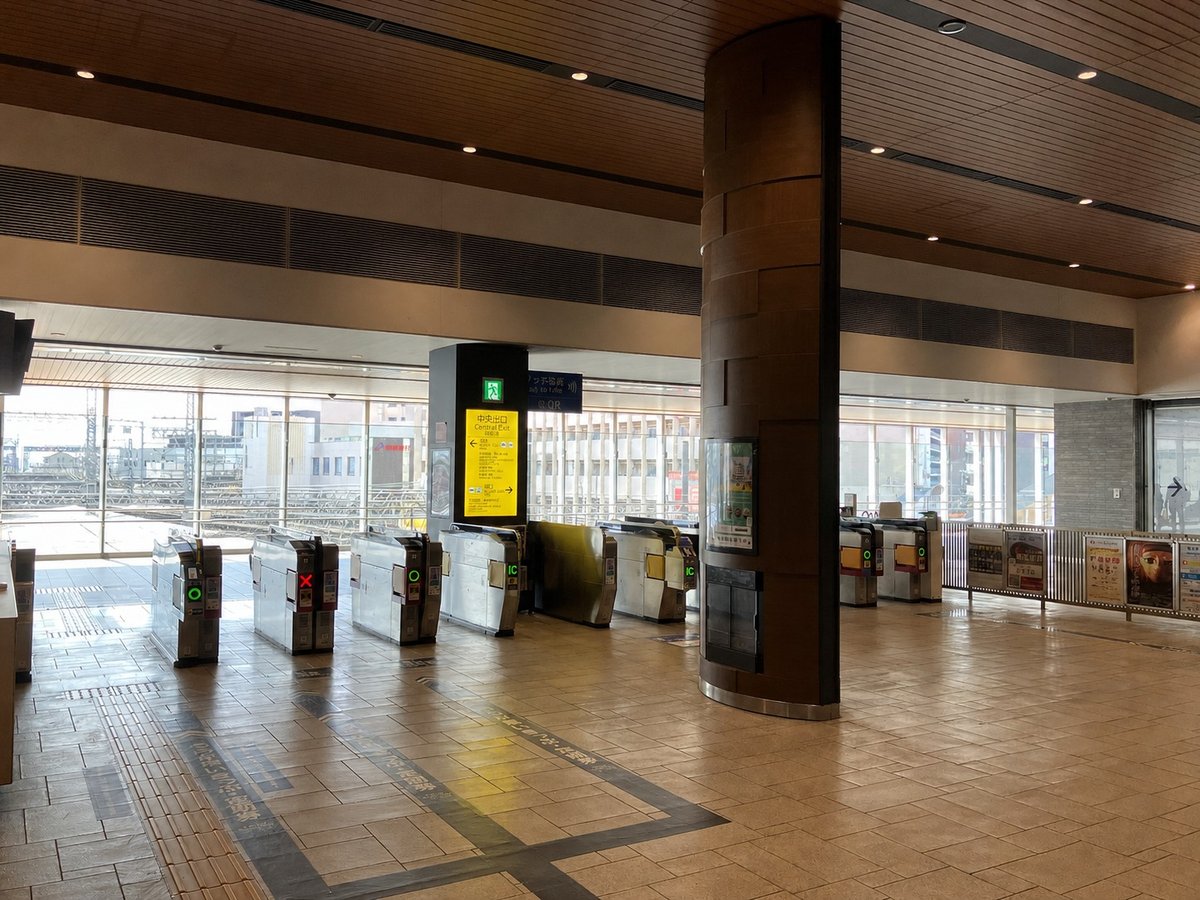
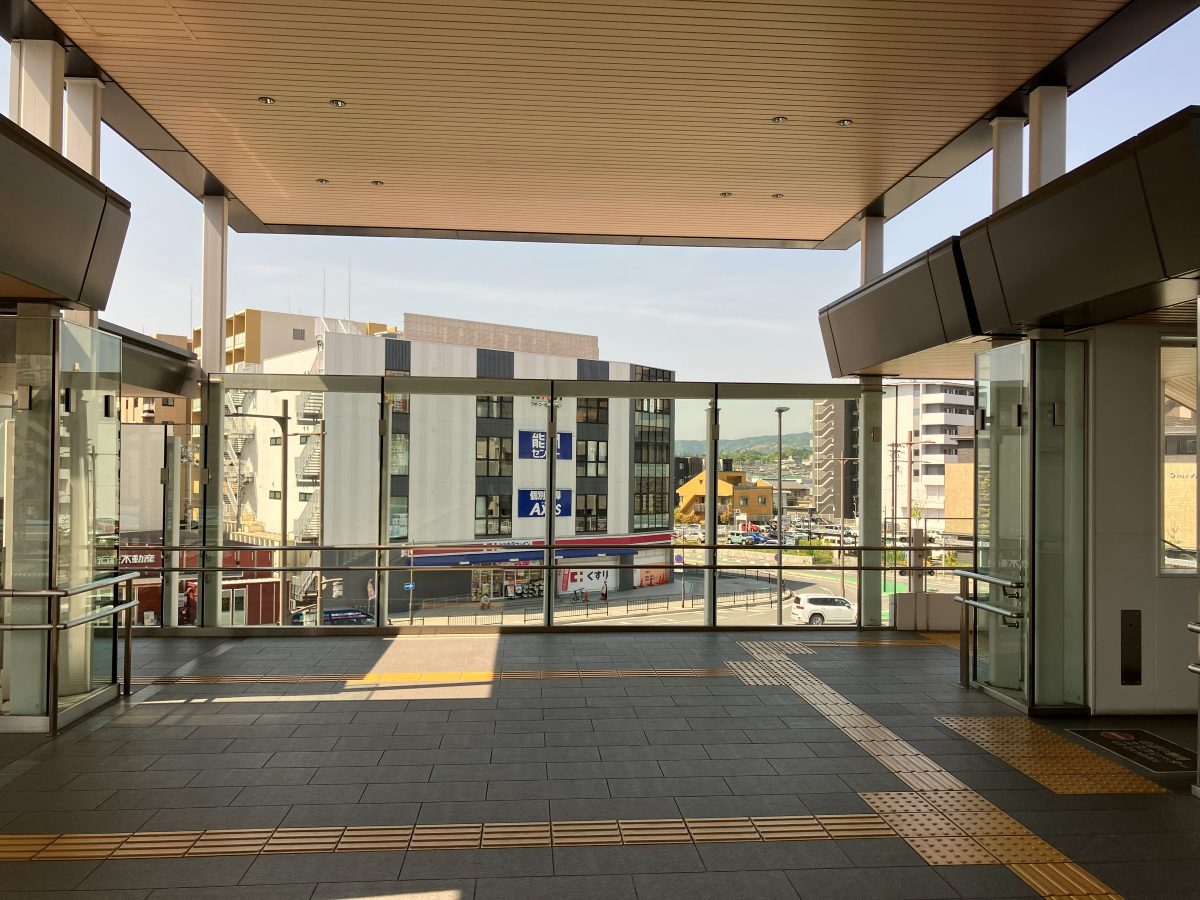
From Yamato-Saidaiji Station, there is only one turn. It is a walk you can't get lost on.
Other Ways to Get There — Amagatsuji Station and Bus
- Train: About 10 minutes on foot from Amagatsuji Station on the Kintetsu Kashihara Line (according to the temple). You can change to the Kashihara Line at Yamato-Saidaiji Station. However, the streets from the station are narrow and a little hard to follow, so I recommend the walk from Yamato-Saidaiji Station in this article.
- Bus (from Yamato-Saidaiji Station): From the bus terminal at the South Exit, take a Nara Kotsu bus bound for Gakuen-mae and get off at "Hanna-Sugahara"; the temple is right there (according to the temple).
- Bus (from Kintetsu-Nara Station): Take a Nara Kotsu bus bound for Gakuen-mae (Minami) and get off at "Hanna-Sugahara"; the temple is right there (according to the temple).
Before you go, please check the latest timetable on the Nara Kotsu official website.
Walking the Grounds — From the South Gate to the Lotus Pots, the Main Hall and the Gyoki-do
Every year, I walk through the grounds in roughly this order: the South Gate → the main hall and grounds → the lotus pots → the stone Buddhas → the Benten-do → the Gyoki-do → the poem monument. Let me guide you in that order.
In Front of the South Gate — Building Up Anticipation from Outside
Before passing through the South Gate, I first look at the signs outside and the glimpses of the grounds beyond the wall. This is where my anticipation grows.
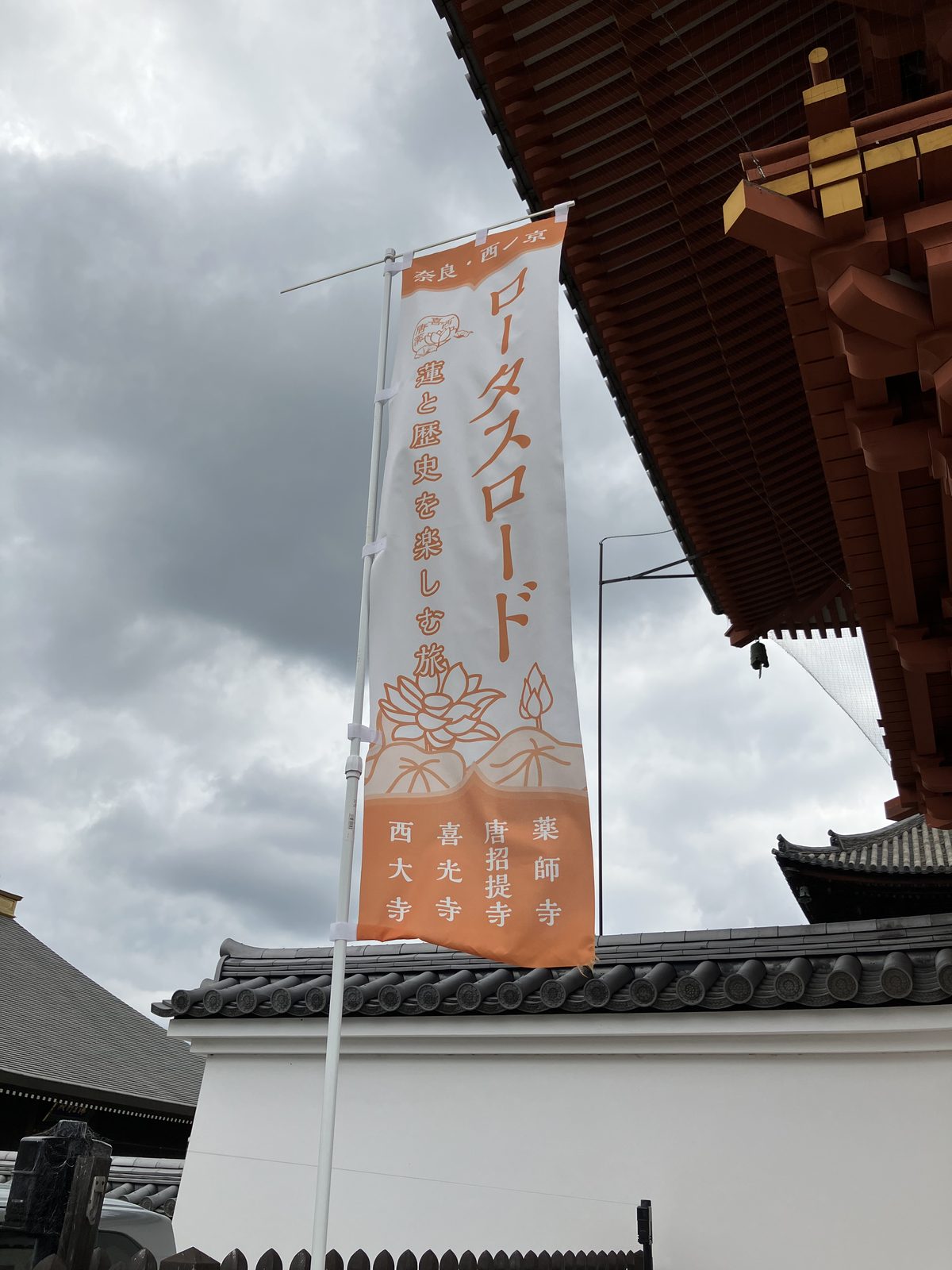
On the day I visited, the "Nara Nishinokyo Lotus Road" was being held. The Lotus Road is an event linking four temples known for their lotuses — Saidaiji, Kikoji, Toshodai-ji and Yakushi-ji — held every lotus season by the Nara City Tourism Association (in 2026, from June 18 to August 2).
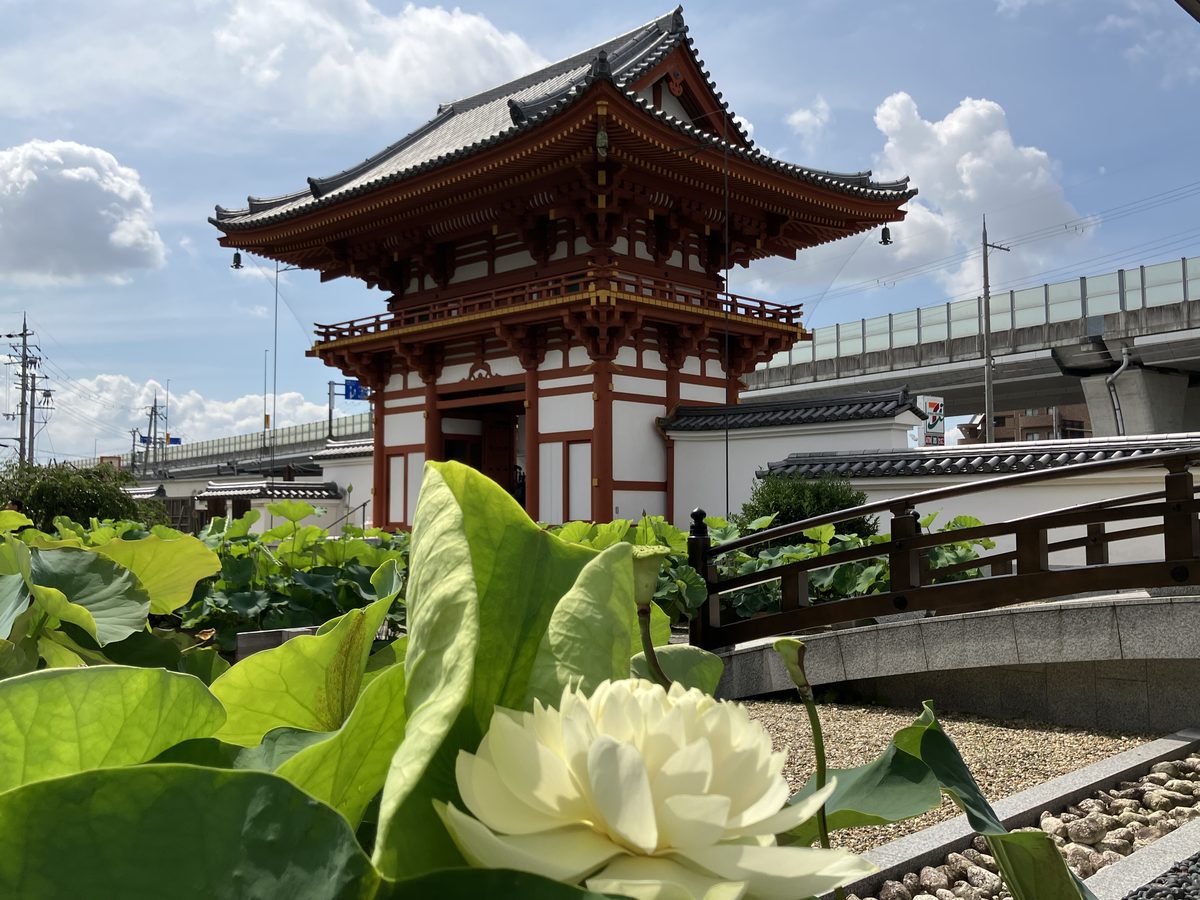
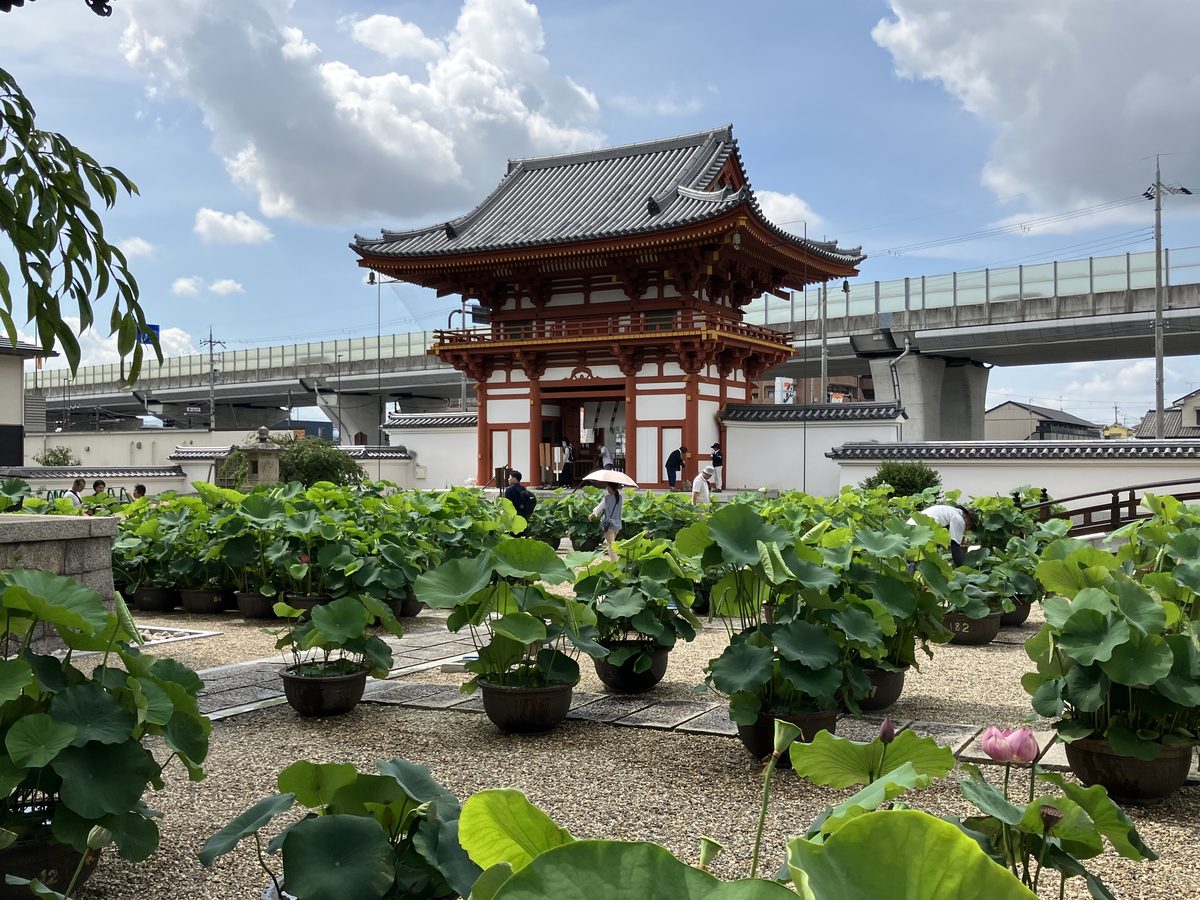
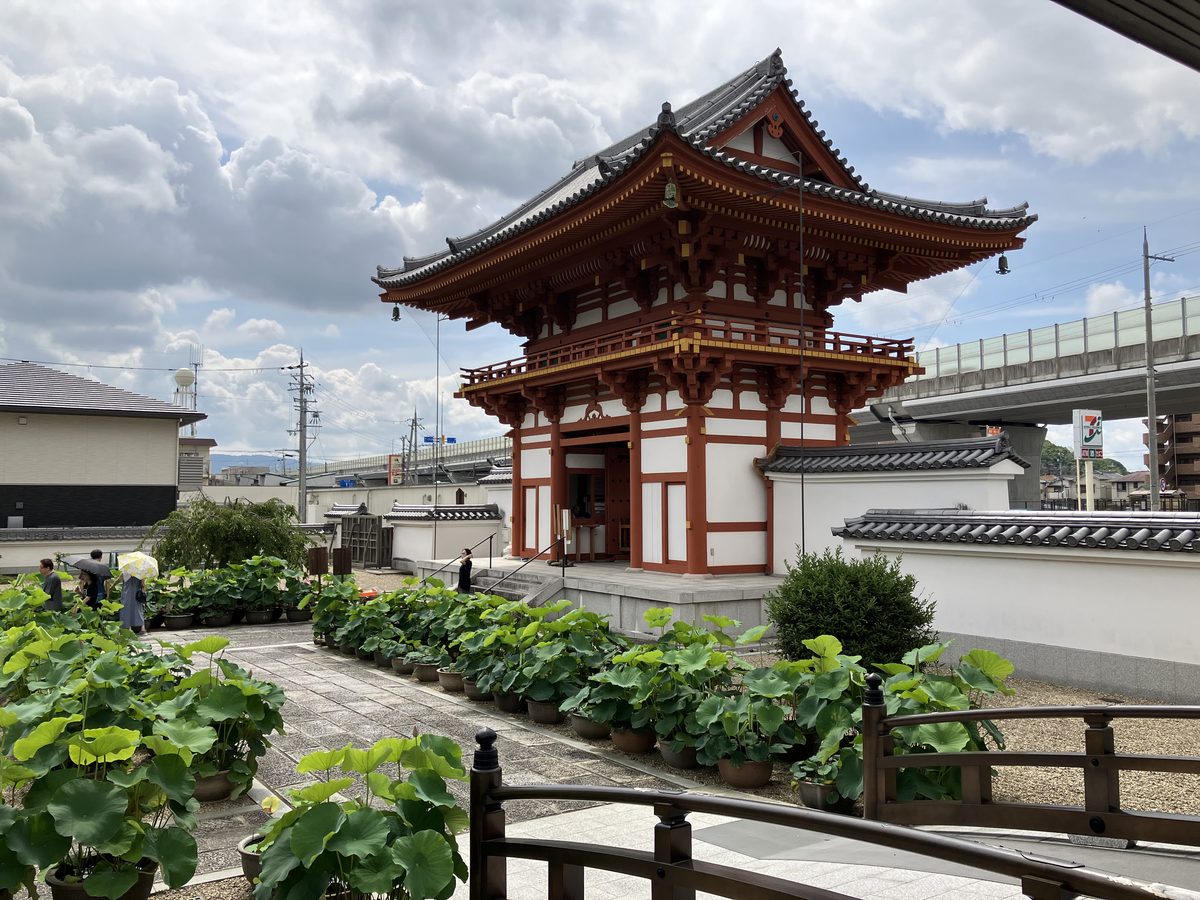
The South Gate is a two-story gate about 12 meters tall, rebuilt in 2010 for the first time in about 450 years. On either side stand bronze Nio guardian statues about 3.3 meters tall, made by the sculptor Nakamura Shinya, a recipient of the Order of Culture. Overwhelmed by their power, I check the details for the day on the information board in front of the gate.
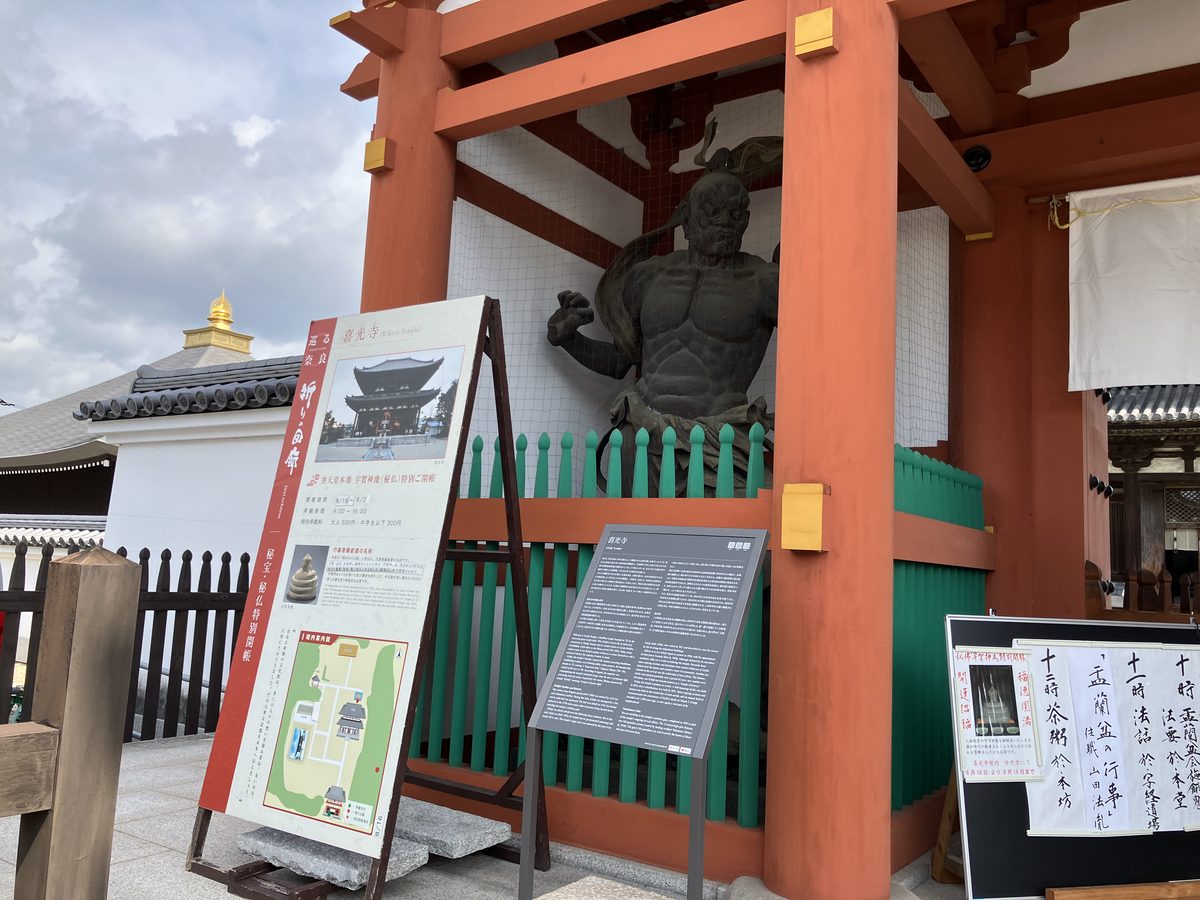
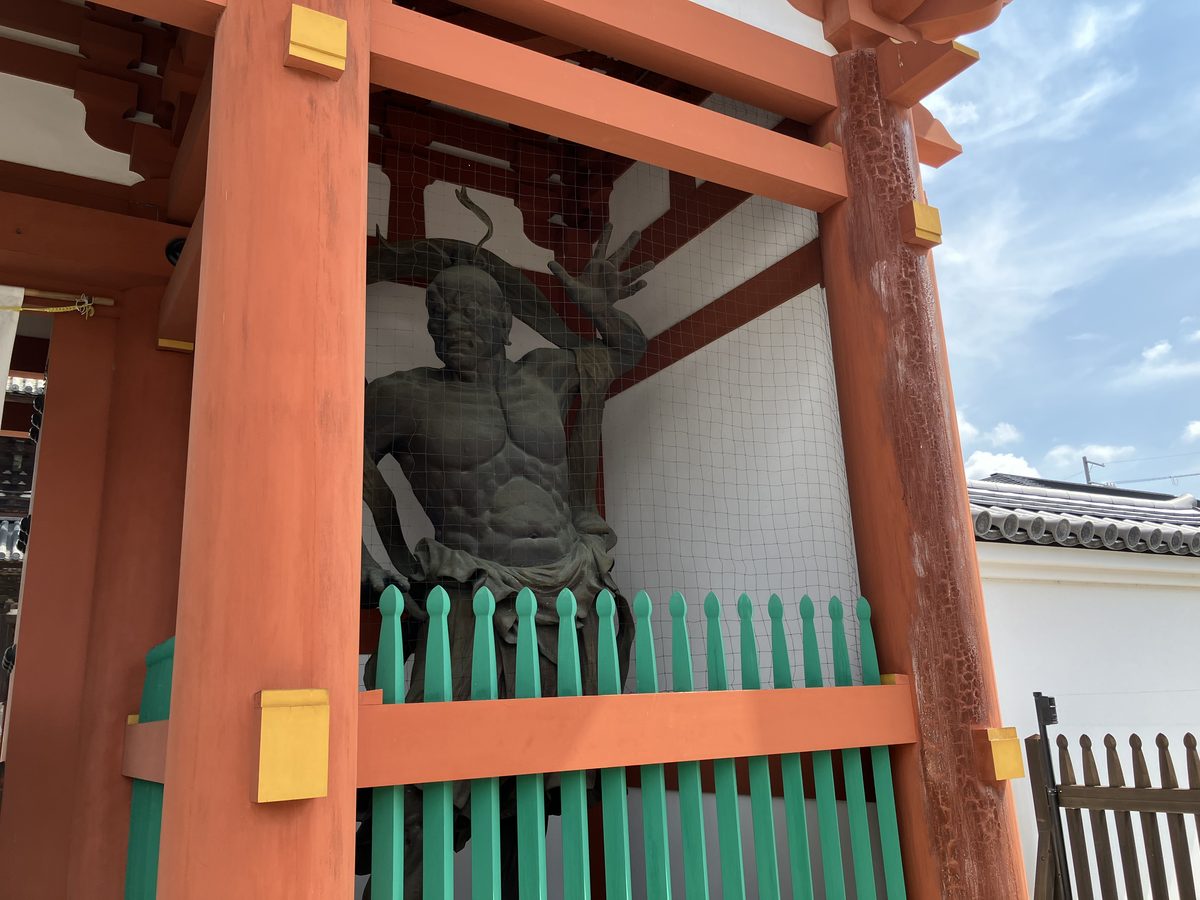
The day of my visit happened to be the day of the Urabon (Obon) memorial service and Buddhist talk, held every year in mid-July. A notice beside the gate announced the service, a talk by the head priest, and a serving of Yamato chagayu (tea porridge), and the grounds were bustling with many temple families and visitors.
Through the South Gate, the Main Hall Right in Front of You
Pass through the South Gate, pay the admission fee at the reception ahead on your right, and step into the grounds. First, the magnificent main hall will welcome you right in front of you.
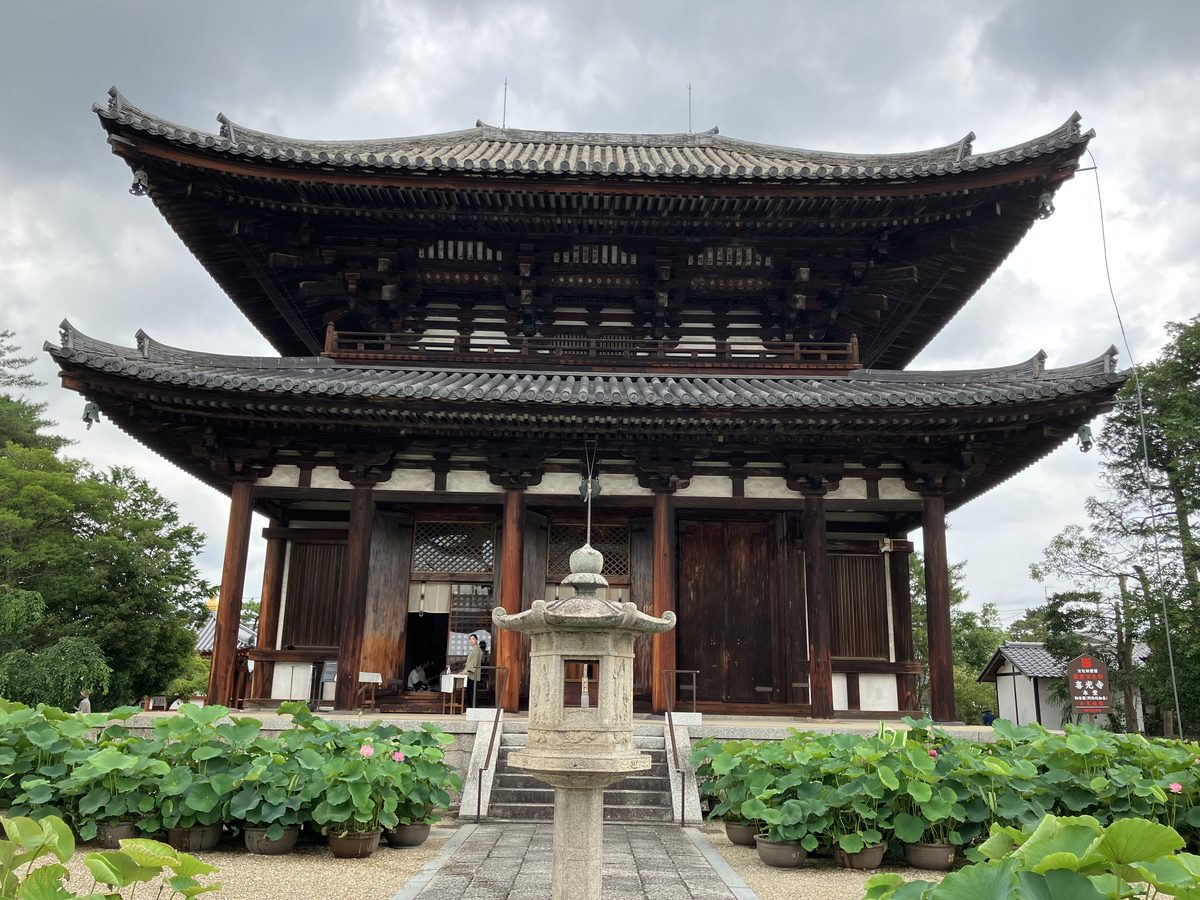
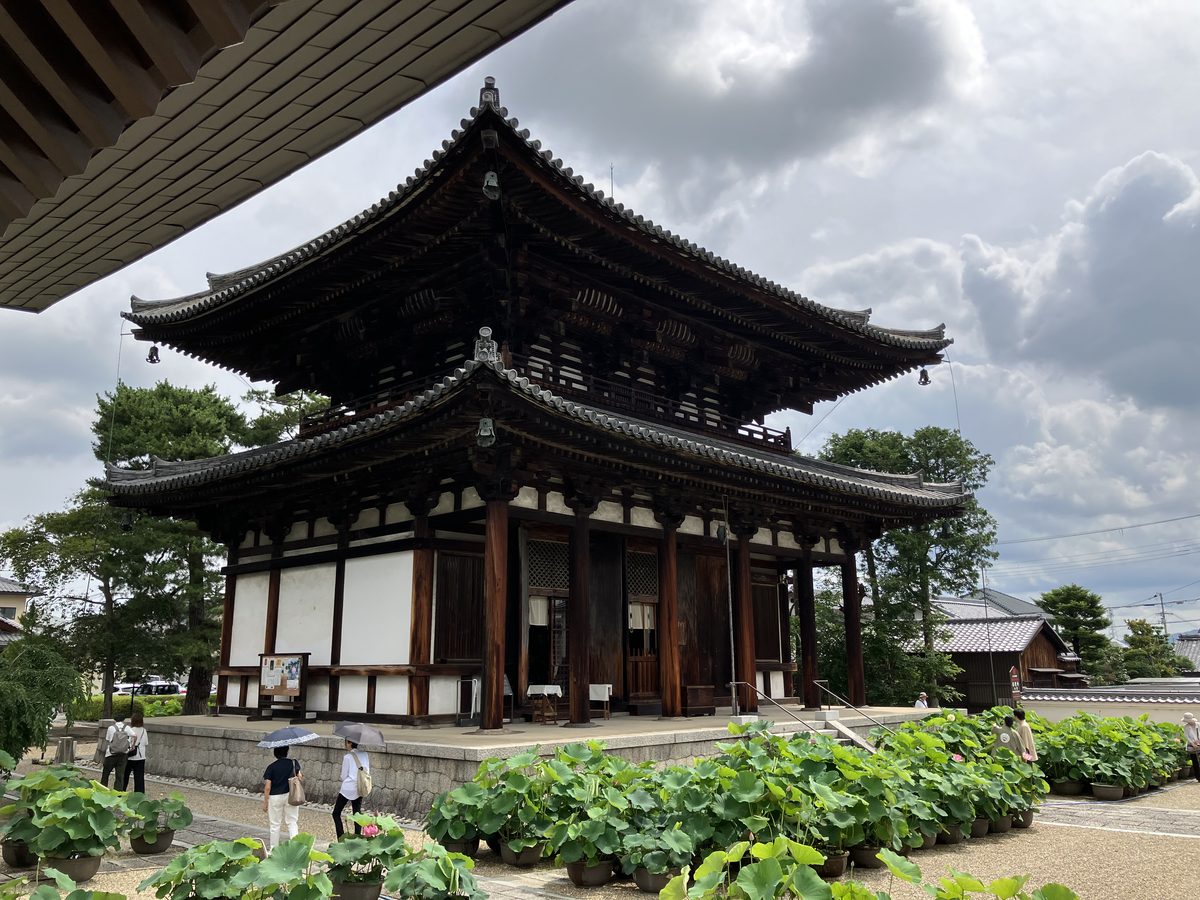
The main hall enshrines the principal image, a seated statue of Amida Buddha (Heian period, an Important Cultural Property of Japan). The statue is 2.33 meters tall — a so-called "jōroku" Buddha (according to the temple).
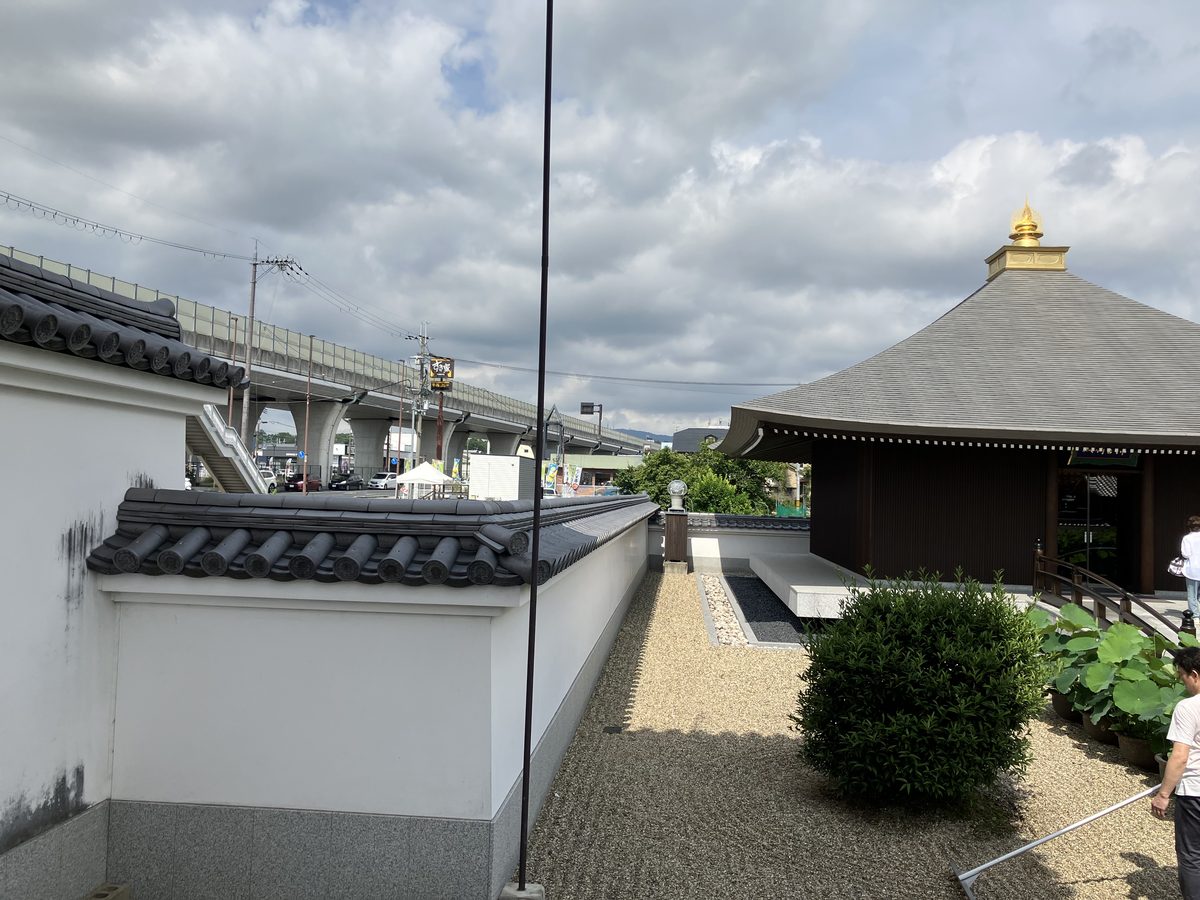
The South Gate and the main hall stand parallel to each other. And when you look outside from the grounds, you also see the elevated road running right nearby. A main hall from the Muromachi period, a South Gate from the Heisei era, and a modern road — I love this contrast of old and new.
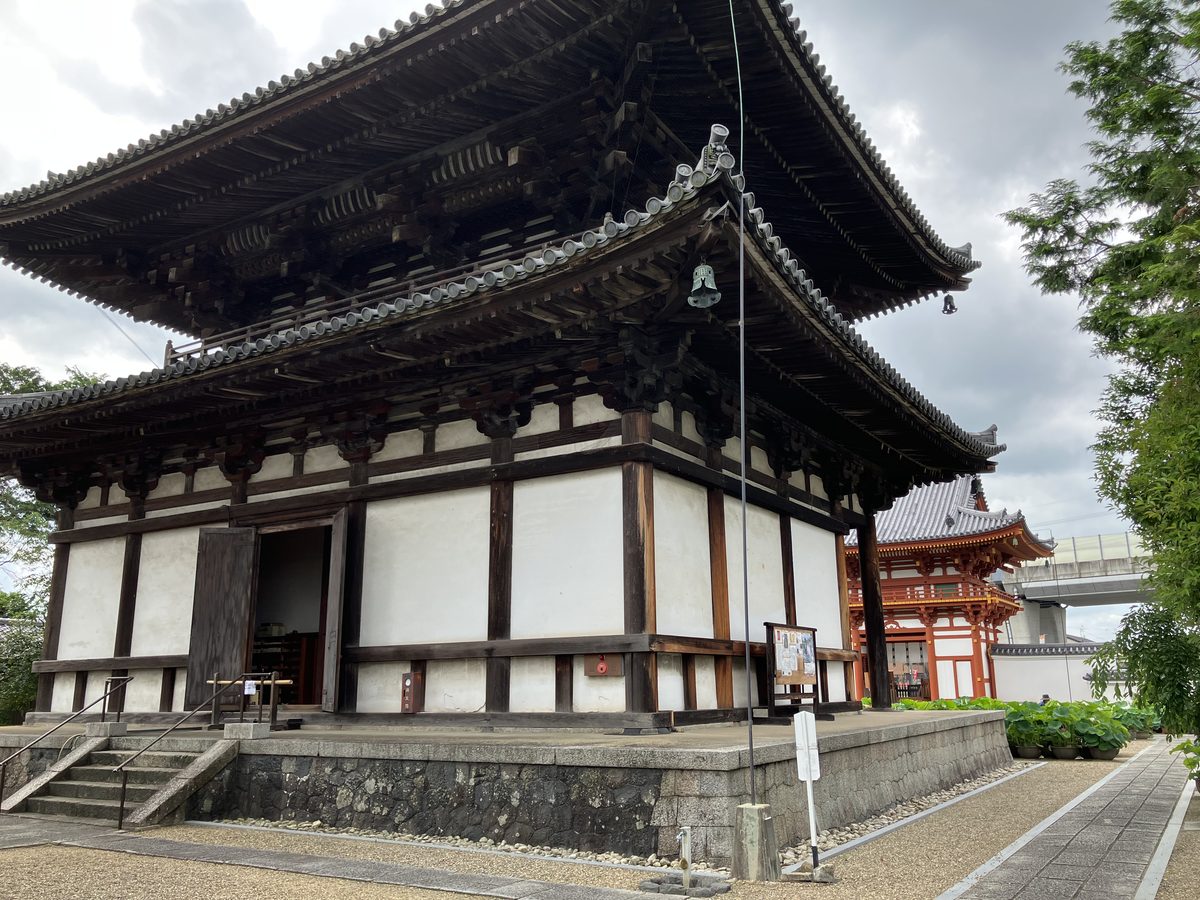
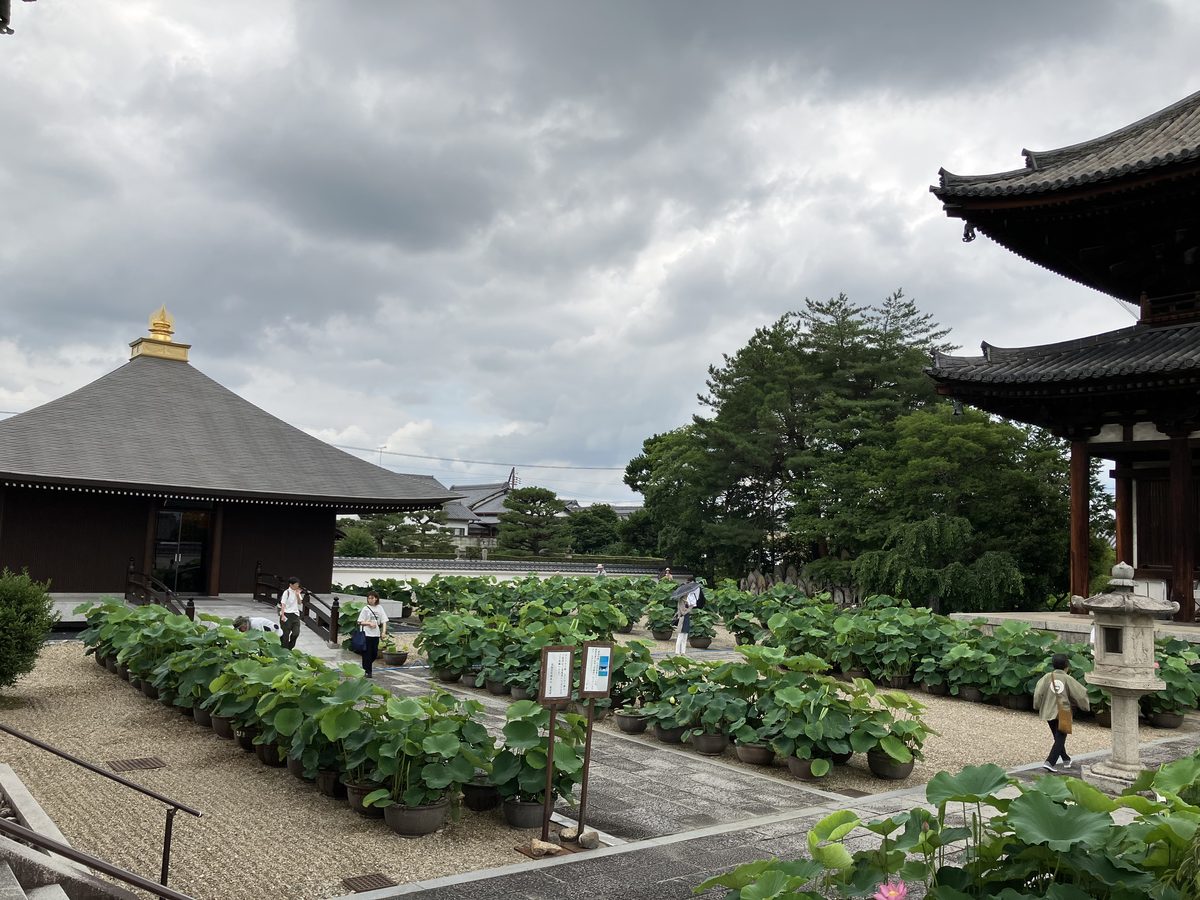
Beside the main hall stands the Busshari-den hall, built in 2021 to mark the 1,300th anniversary of the temple's founding. A golden jewel shines on its roof.
Lotus Pots Packed in Front of the Main Hall
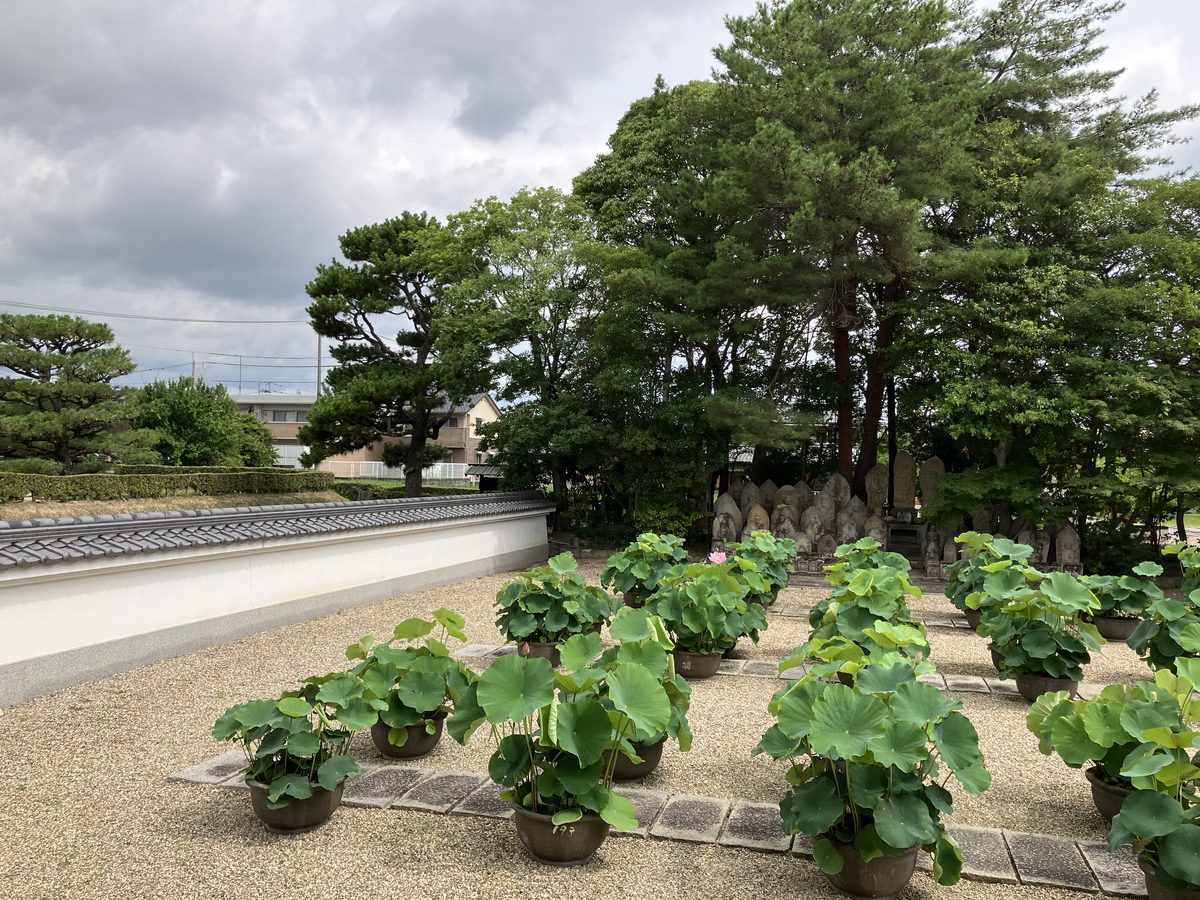
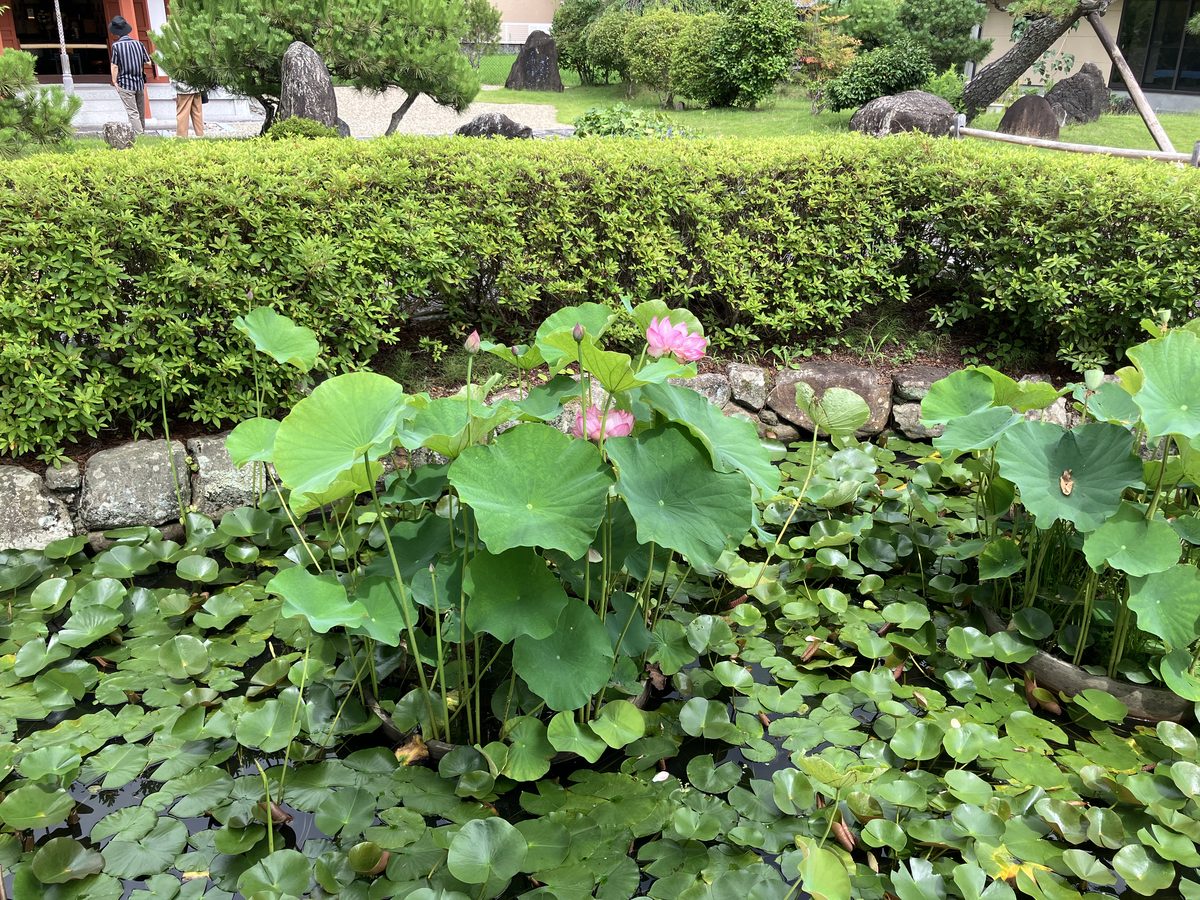
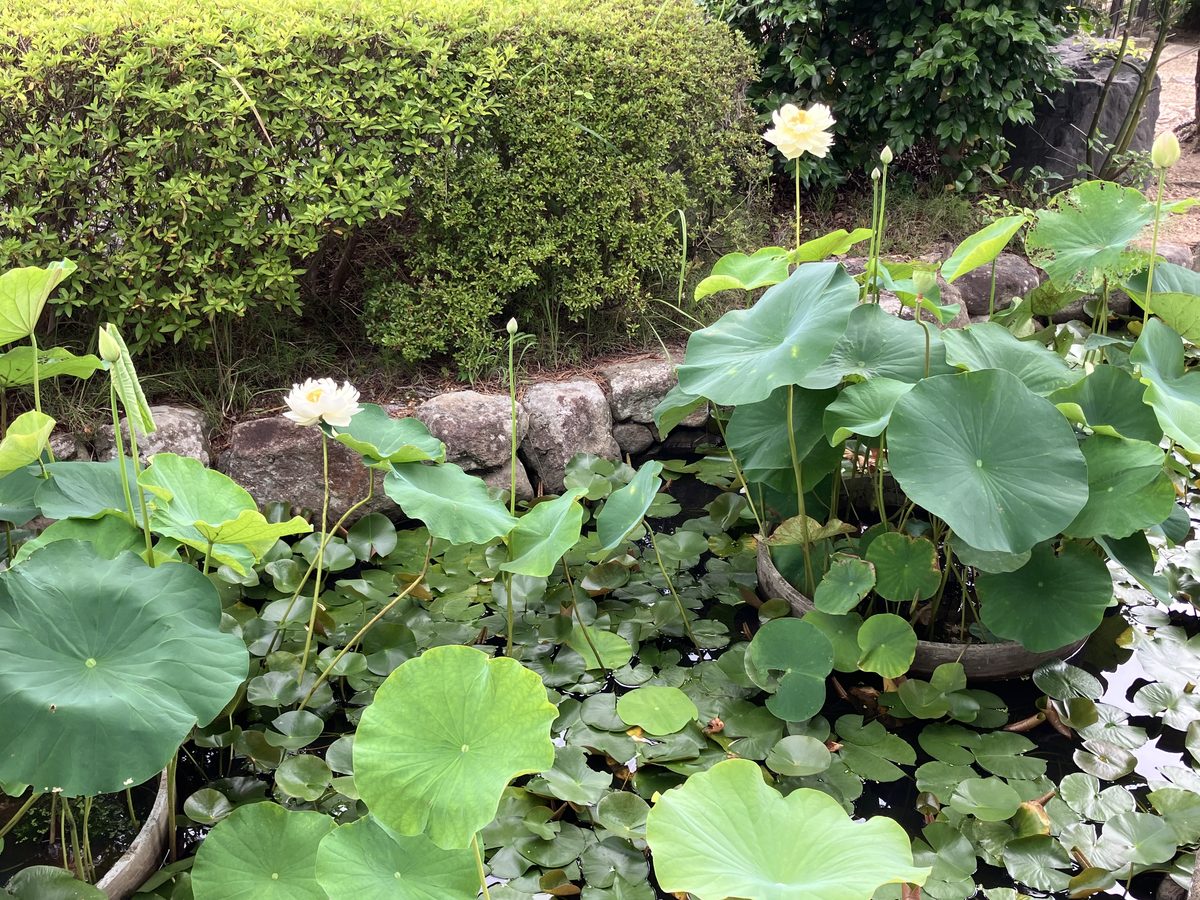
Above all, the lotus pots packed tightly in front of the main hall are a breathtaking sight. Kikoji has been growing lotuses since 1995, and today there are about 250 pots. In summer, flowers of many colors fill the grounds (according to the temple).
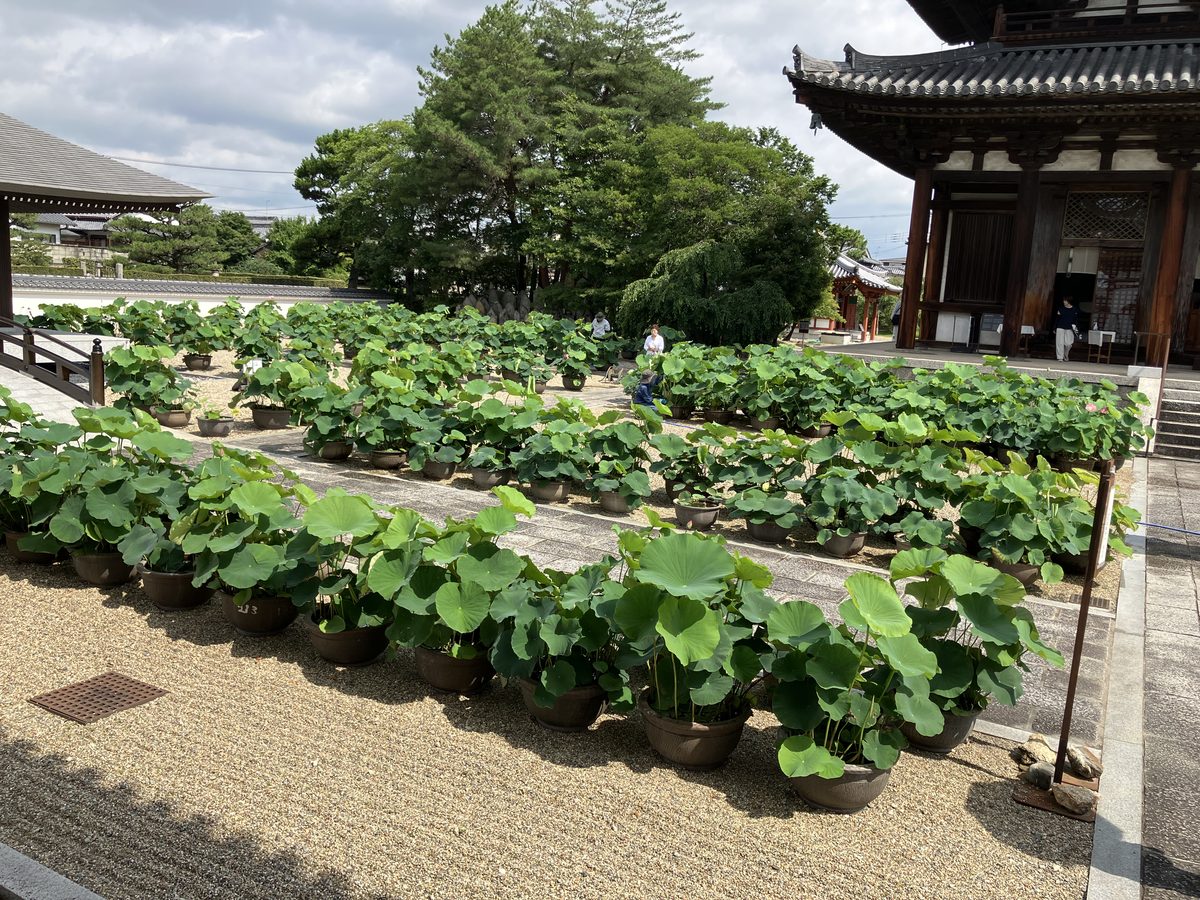
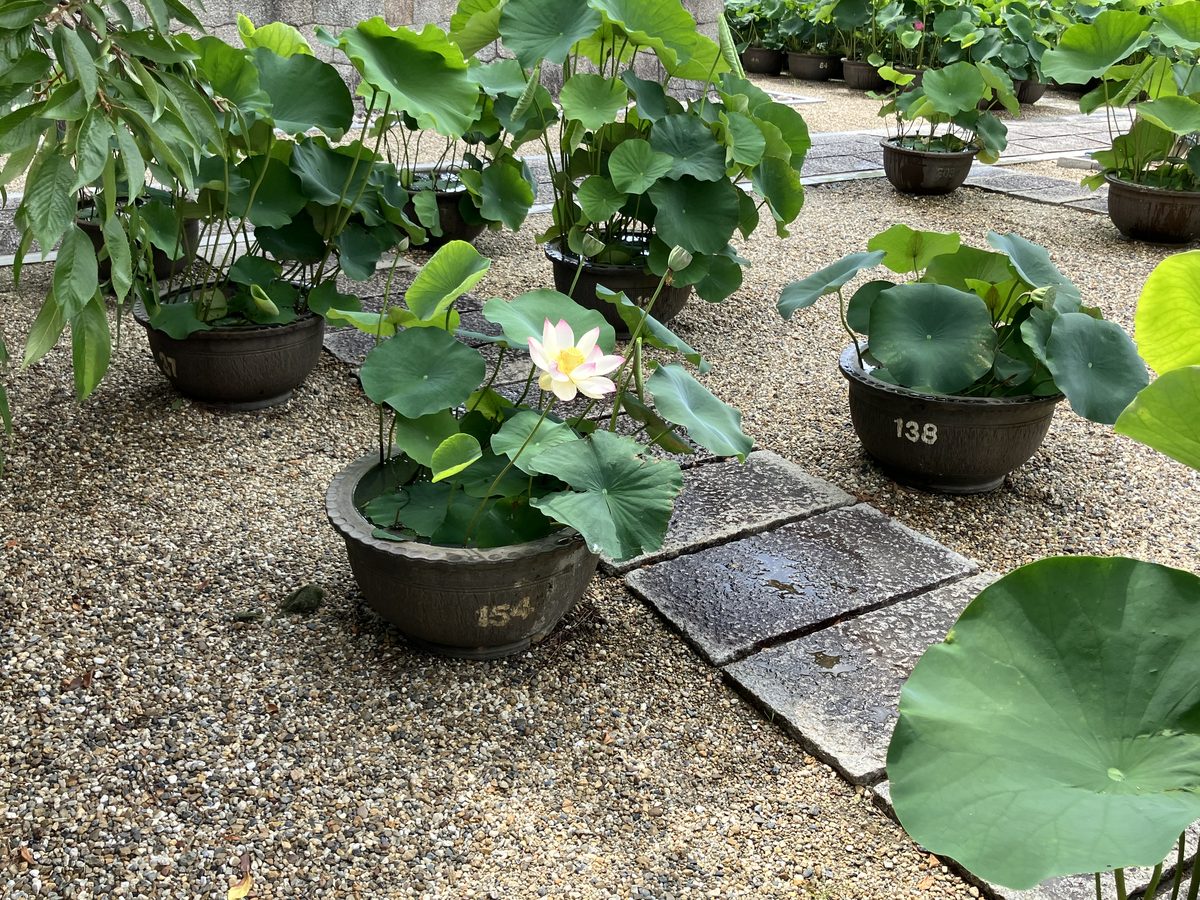
On the day I visited, the season was just beginning, but many of the flowers that had opened were in full bloom, and bees were drawn in by them too.
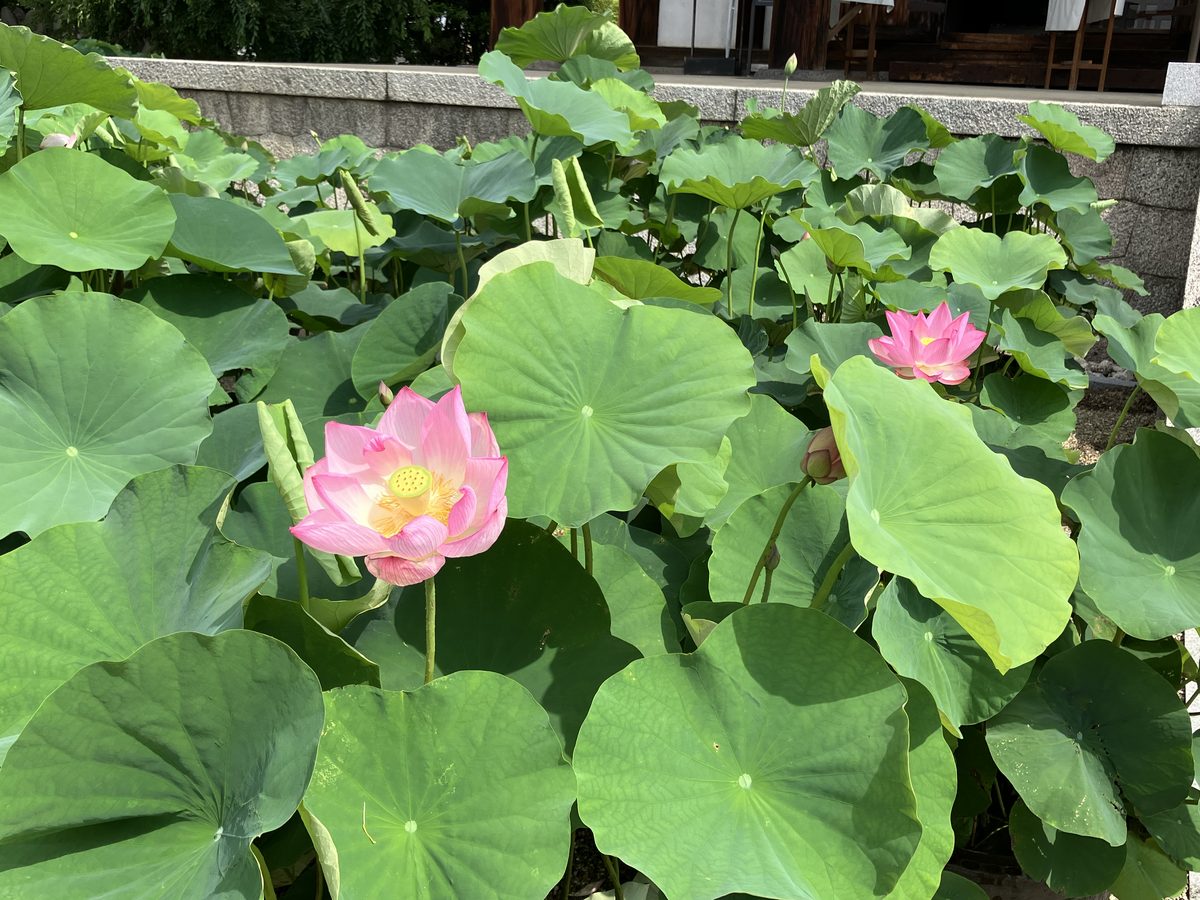
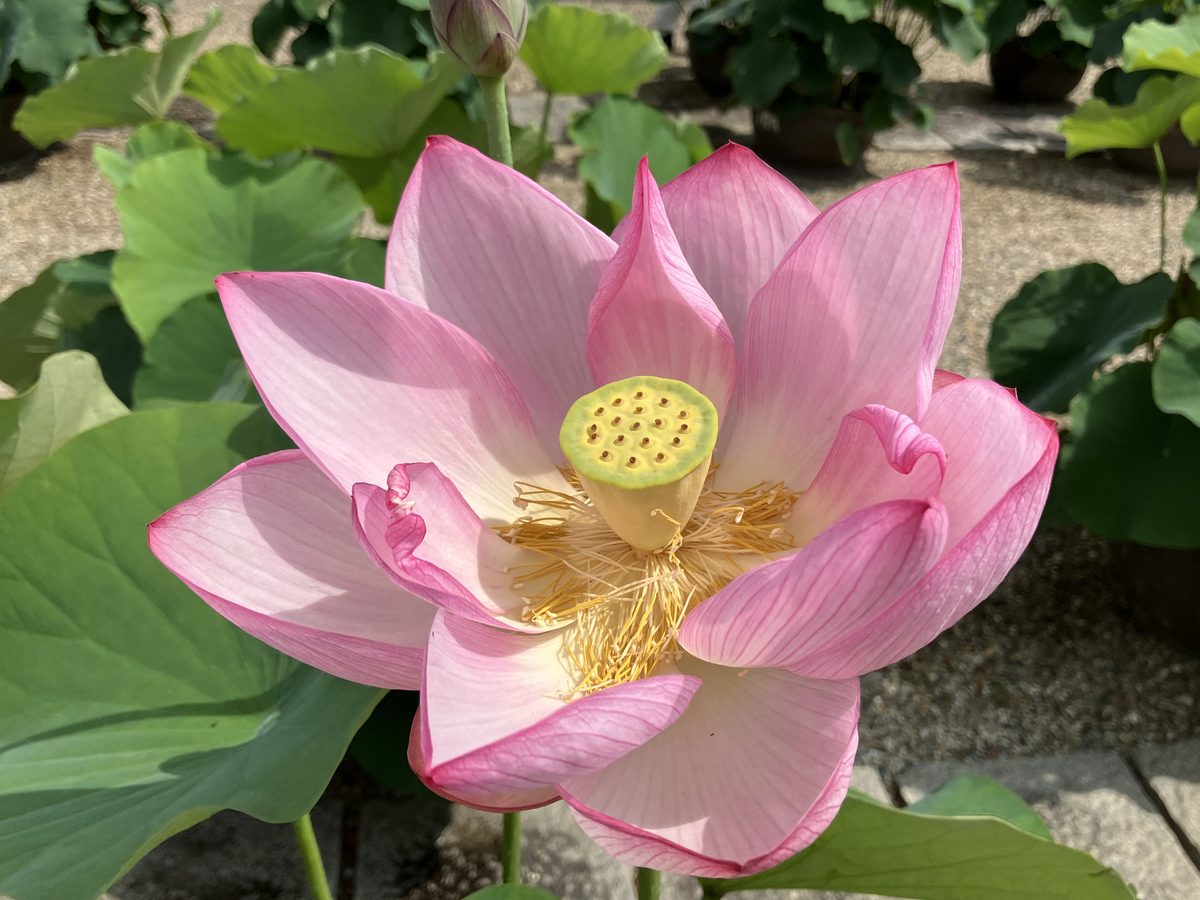
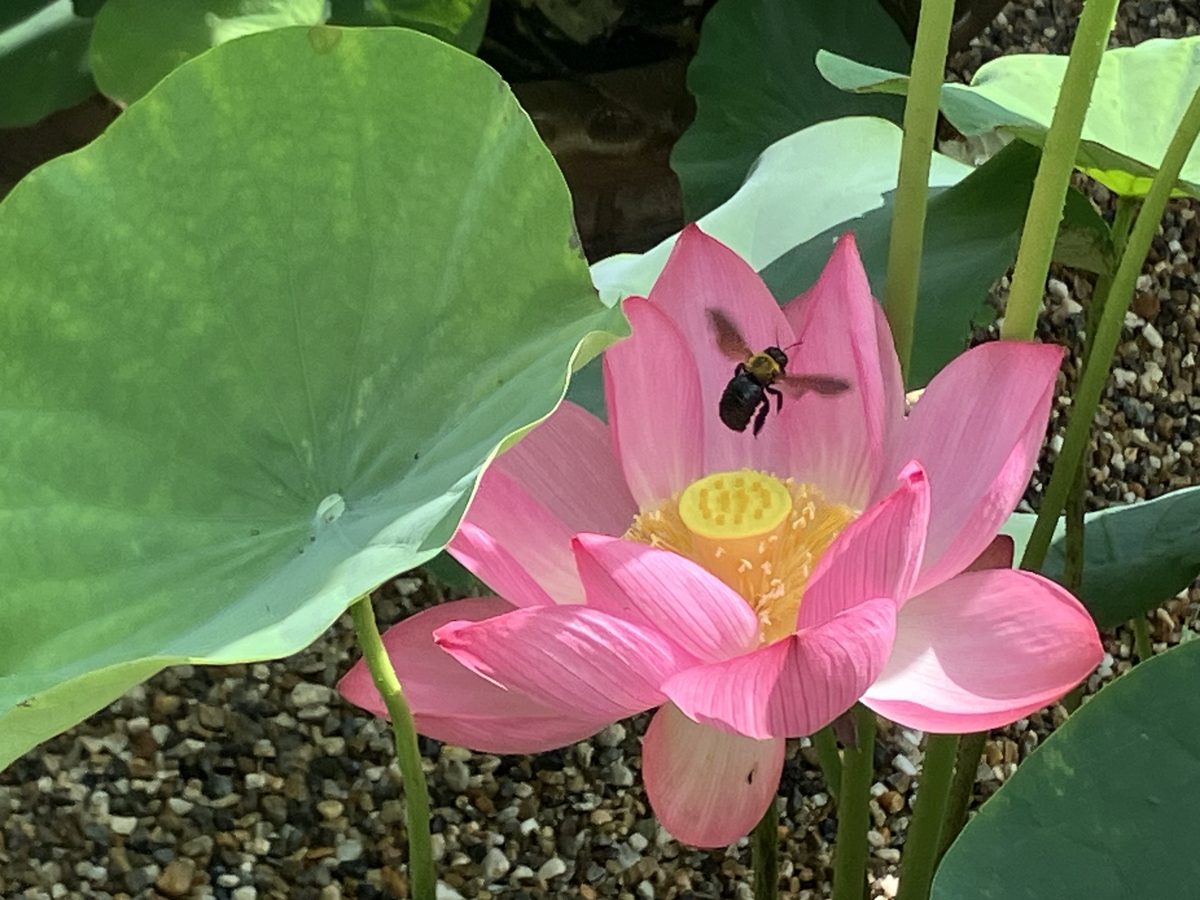
Among the colorful lotuses, some were still in bud. Even though I come every year, catching just the right timing is quite a challenge.
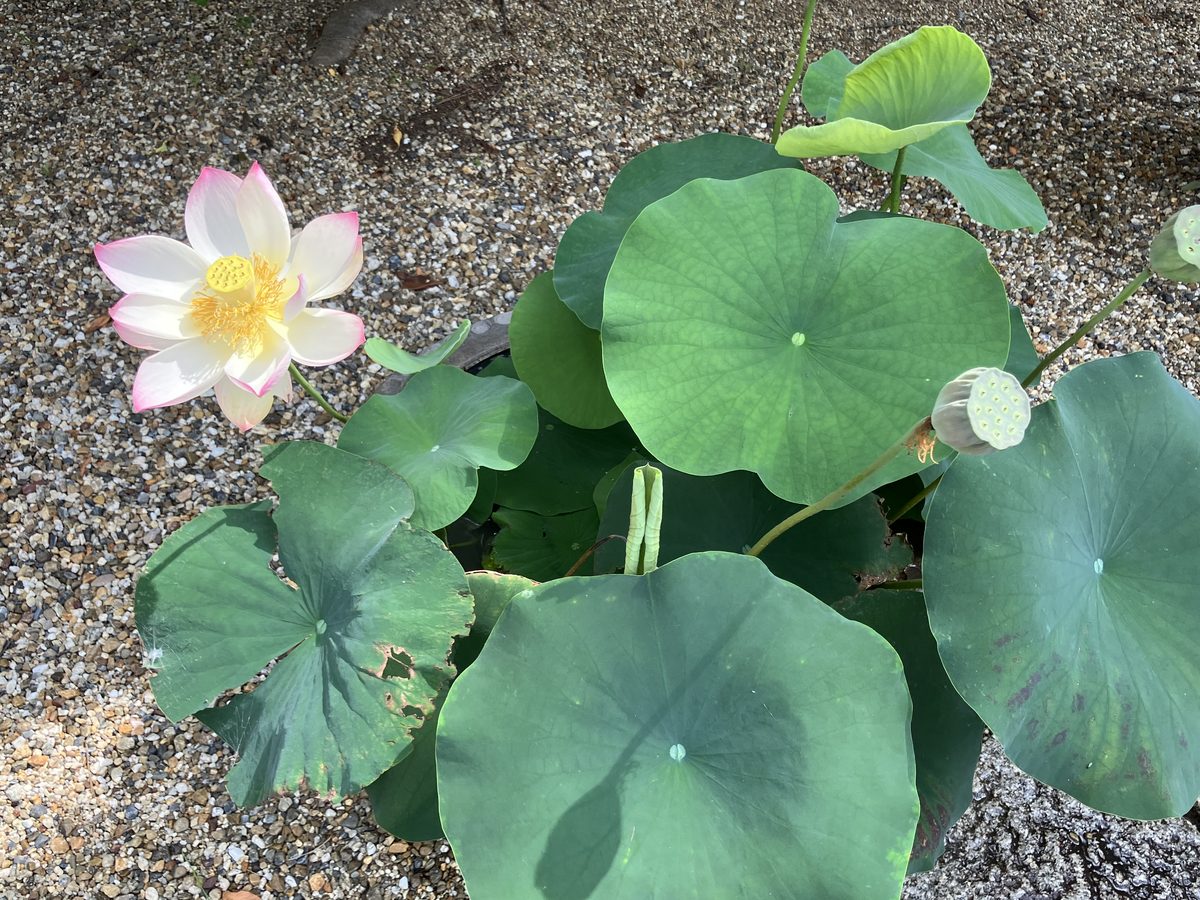
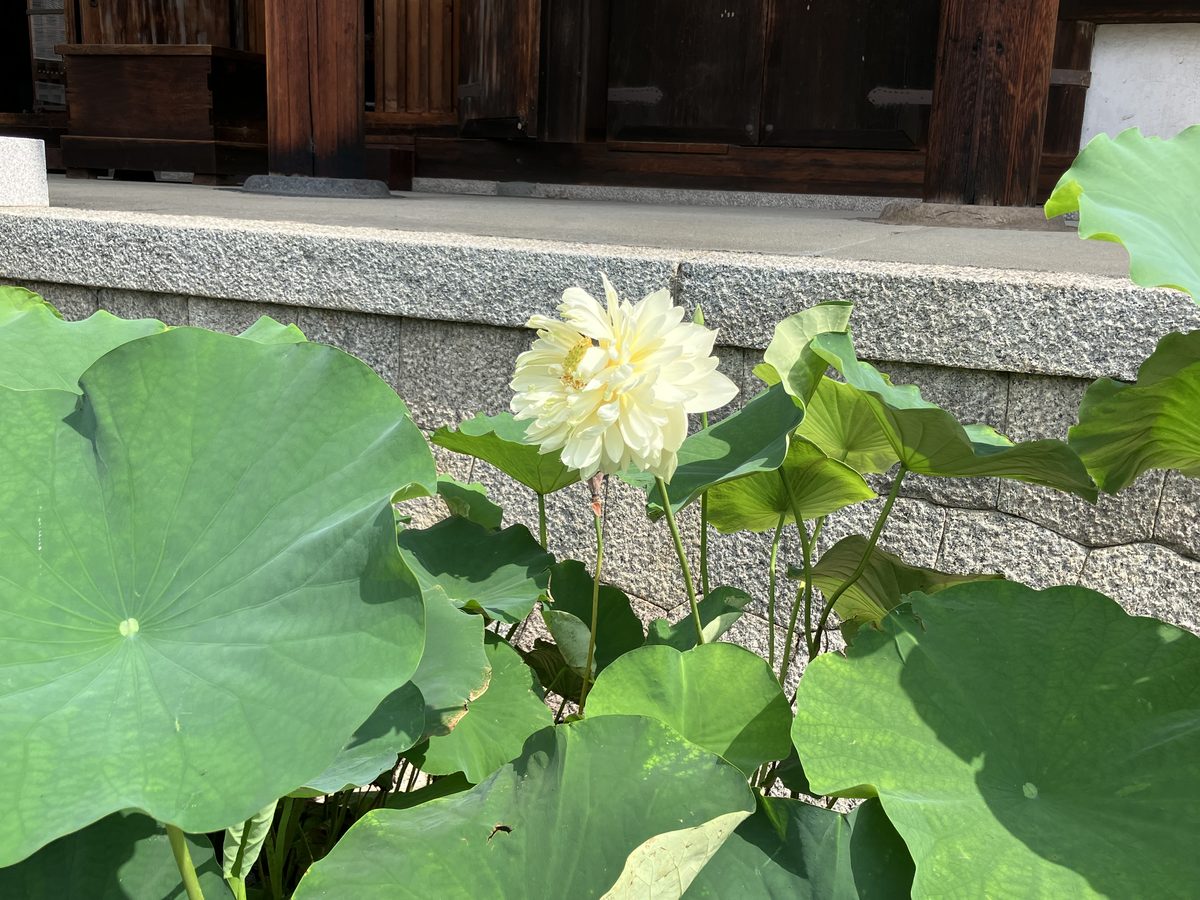
Some lotuses were even blooming fully under umbrellas of leaves, sheltering from the heat.
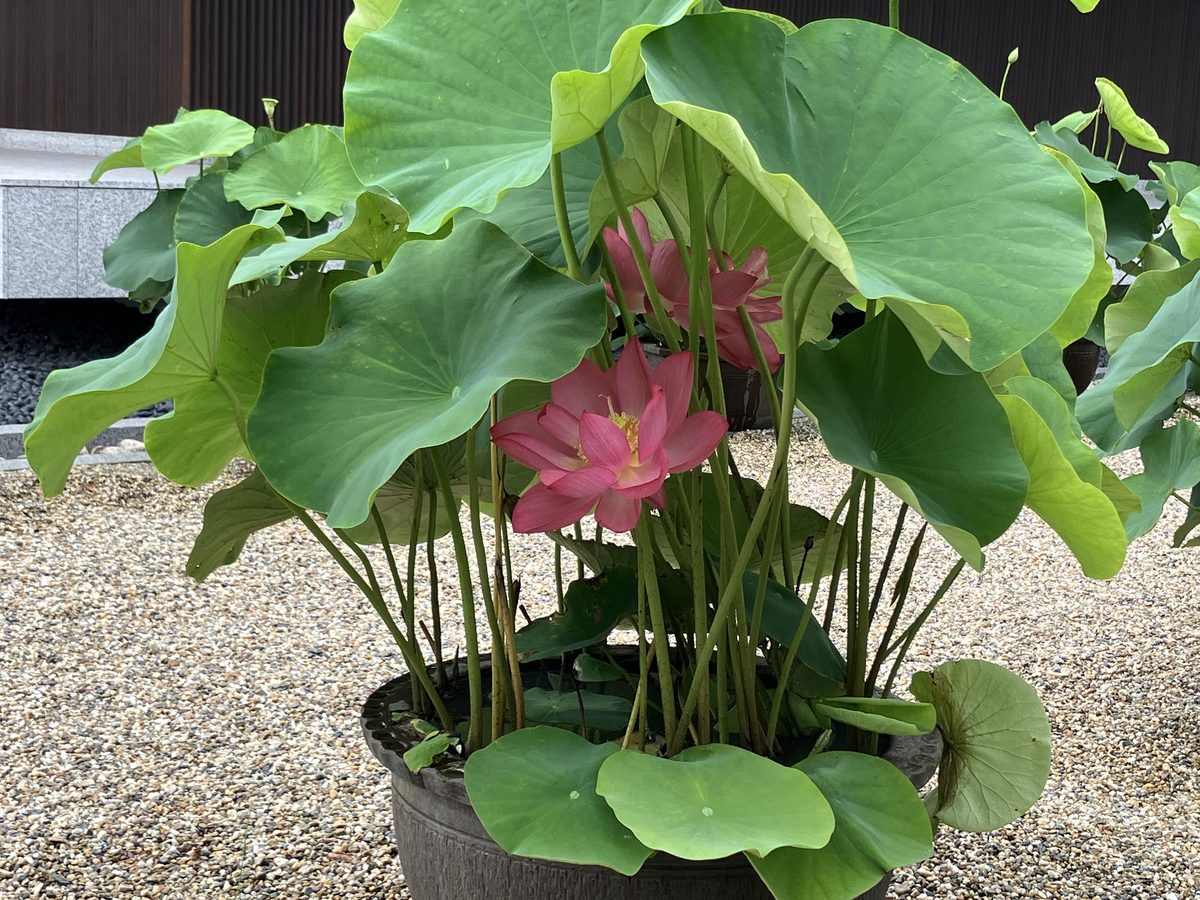
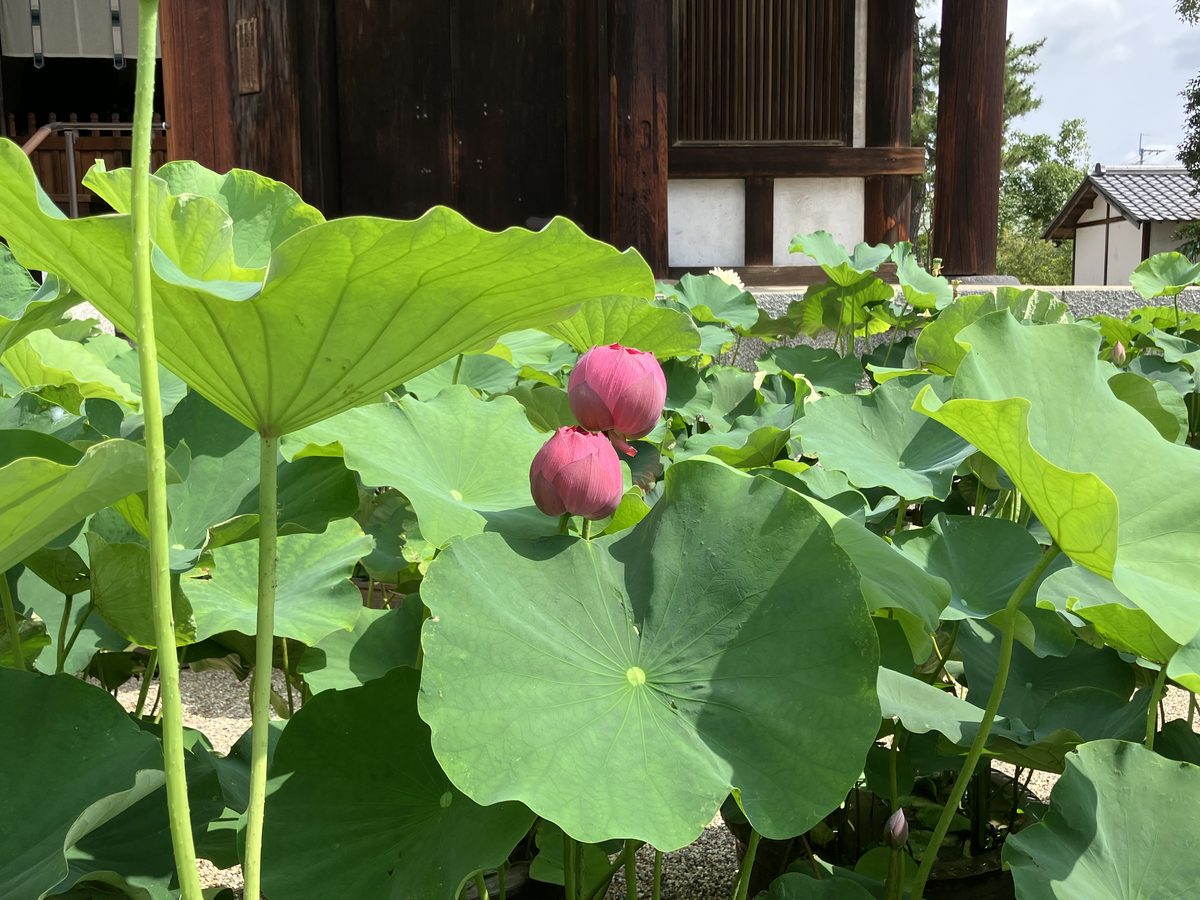
Grown in the same grounds on the same day, some flowers are already wide open, while others are still tightly closed buds. I also wrote about this scene in TWM's "Today's Wisdom," Word 089. And the morning lotuses of Kikoji also appear in Episode 034 of our BGM series, "Sounds of the Journey."
Note that lotus flowers open in the morning and close in the afternoon (according to the temple). If you want to see the lotuses, please go in the morning.
Many Stone Buddhas Behind the Lotus Pots
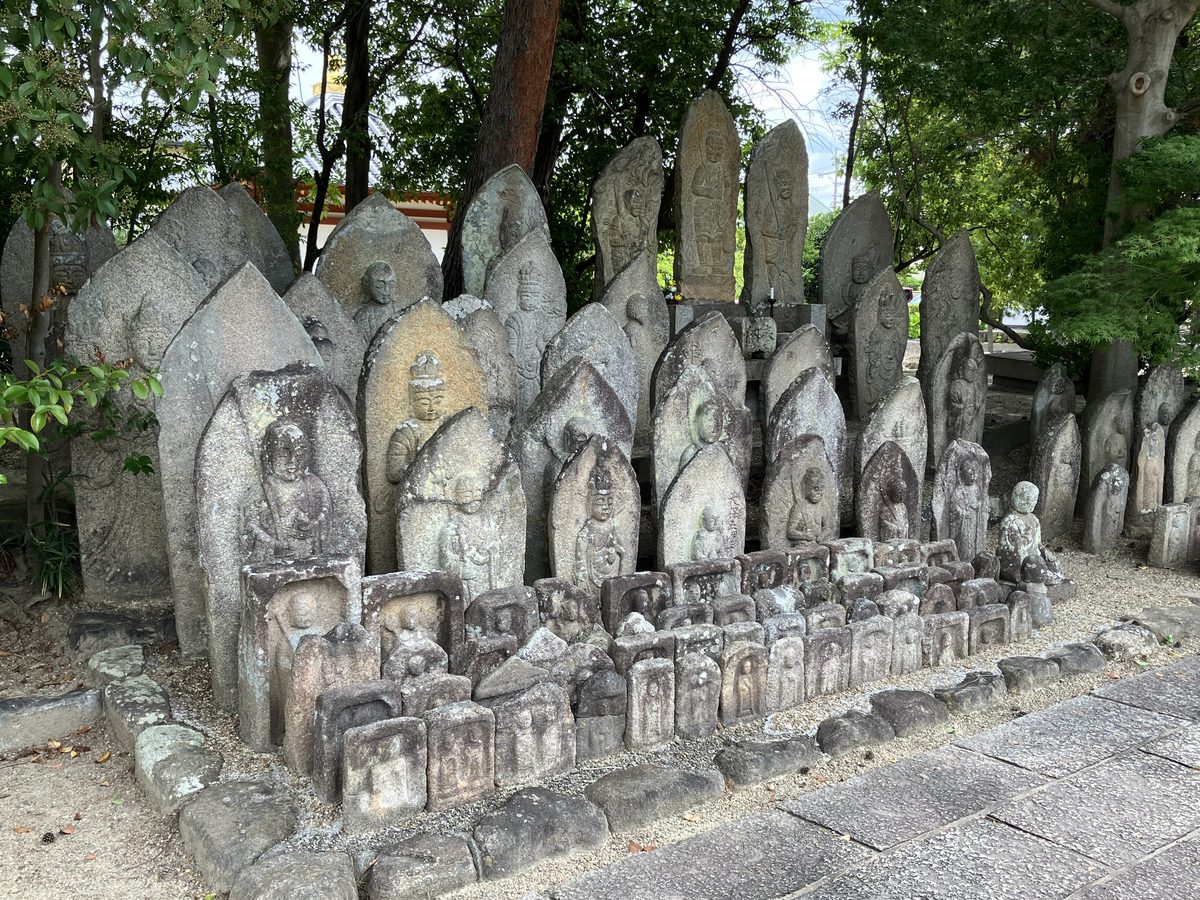
Beside the main hall, behind the lotus pots, many stone Buddhas stand in rows. According to the temple, there are about 150 of them, made from the late Muromachi period to the end of the Edo period.
The Benten-do — A Special Summer Showing
Standing in the pond in the grounds is the Benten-do hall. It is said that in the Kamakura period, the priest Eison of Saidaiji brought the goddess Benzaiten here from Enoshima. The hall enshrines a hidden Buddhist image, Ugajin, with the mysterious form of a human head on a snake's body. It is shown to the public only at New Year (January 1–15) and during the summer Lotus Road (in 2026, from June 18 to August 2, according to the information board in front of the gate). The day I visited was right in the middle of this special showing.
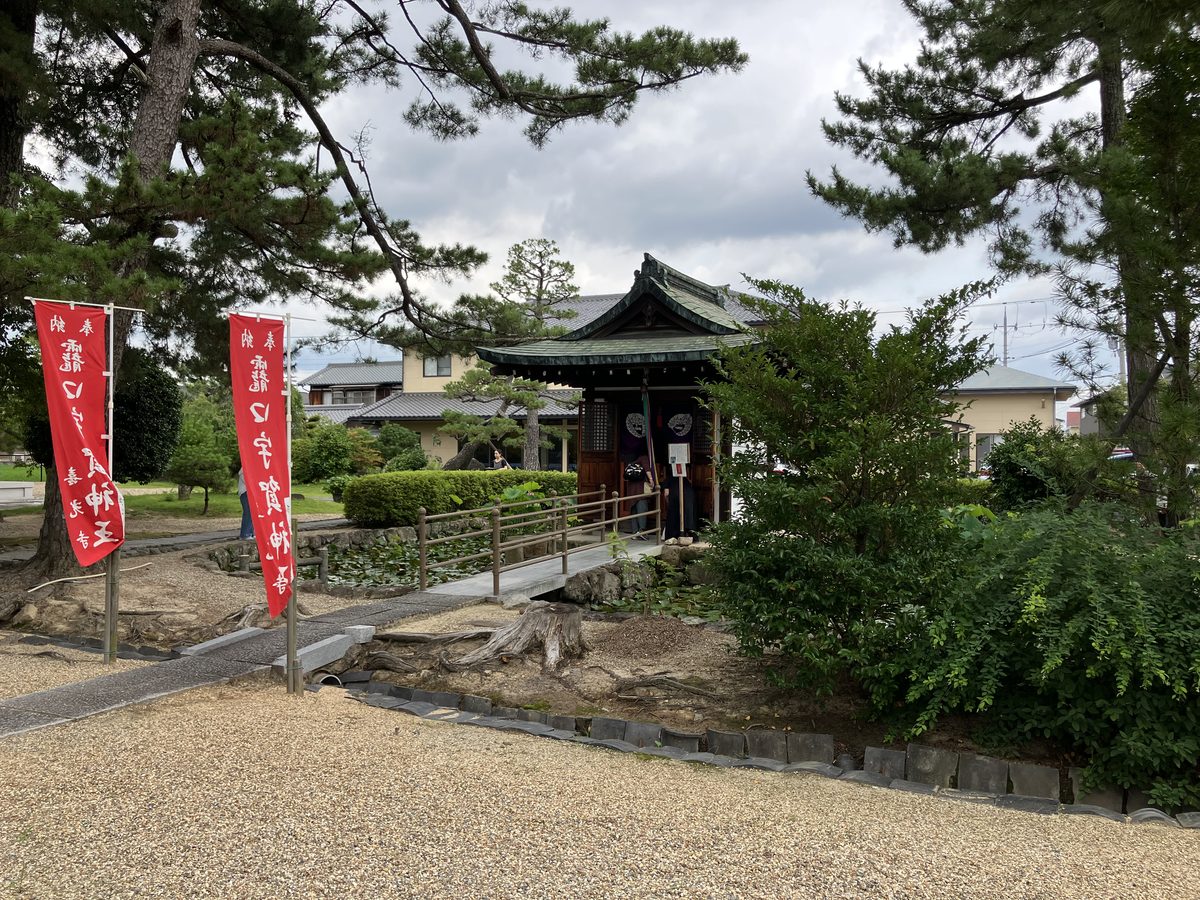
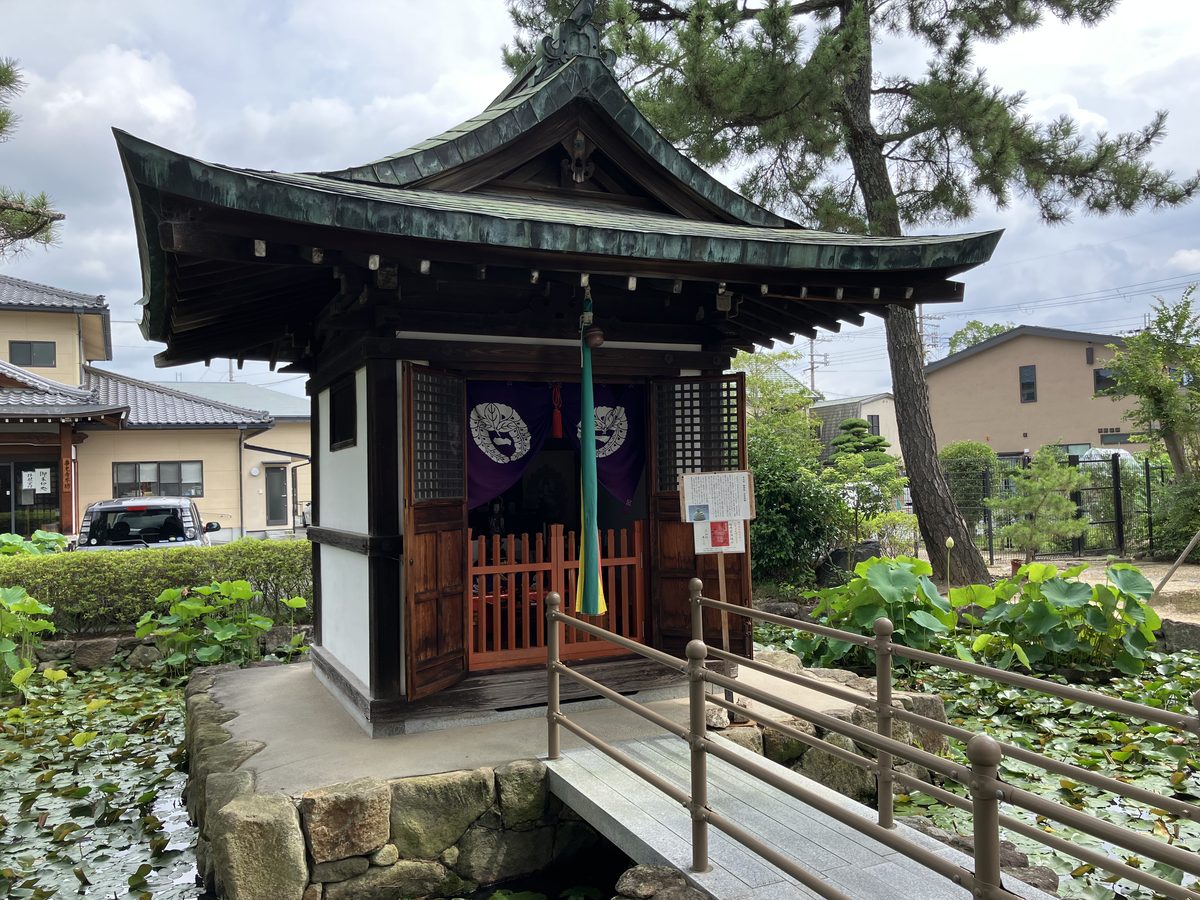
Lotus flowers were blooming in the pond around the hall, too. In summer, water lilies also bloom in this pond (according to the temple).
The Gyoki-do — Meeting Gyoki
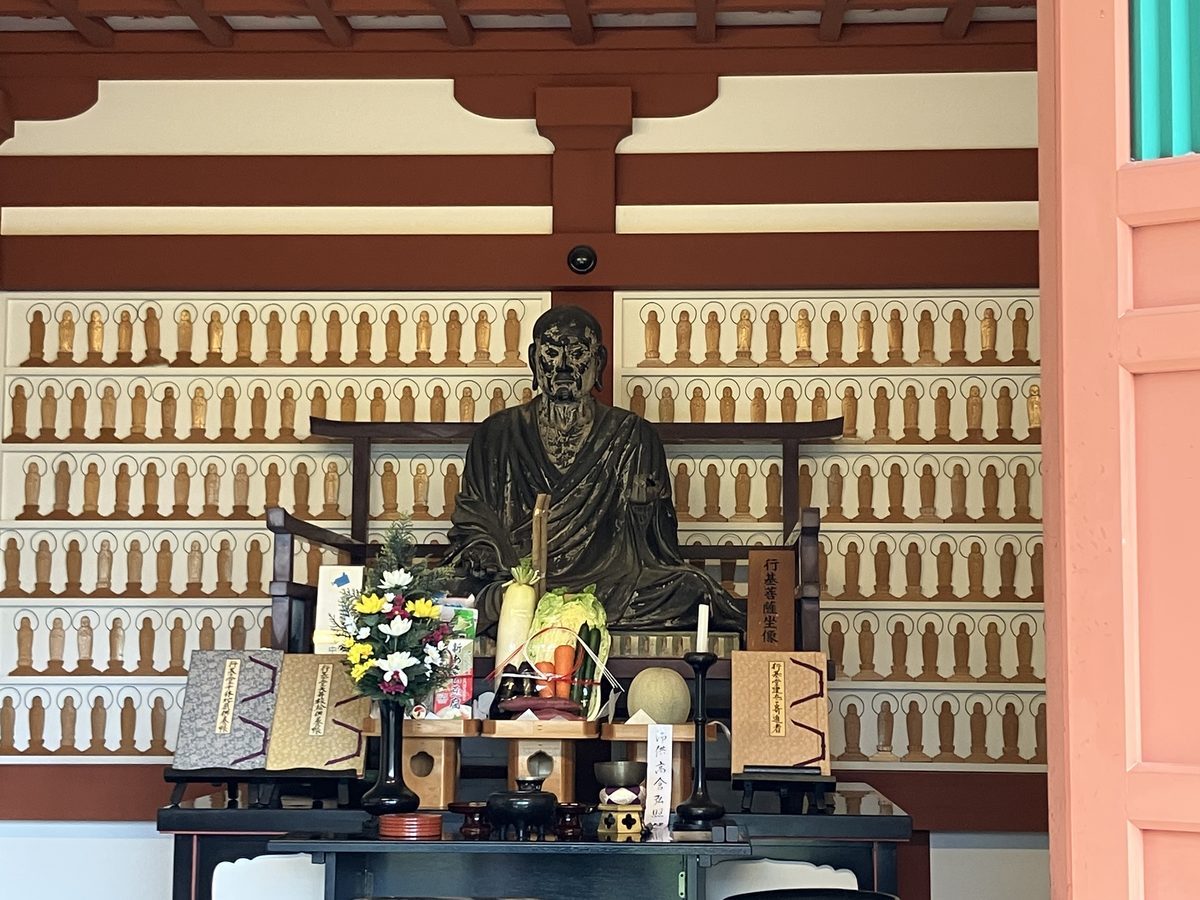
The Gyoki-do hall was built in 2014, in memory of Gyoki, who passed away at this temple. Inside, a seated statue of Gyoki welcomes you. It is modeled on the Kamakura-period seated statue of Gyoki (an Important Cultural Property) kept at Toshodai-ji, and it is surrounded by many small Jizo statues (the "thousand Jizo") (according to the temple).
A Poem Monument from the Man'yoshu
There are also poem monuments in the grounds. This one is carved with a poem by Ishikawa no Iratsume from the Man'yoshu, Japan's oldest collection of poems. The name of the place sung in the poem, "Sugahara no Sato," is where the temple's first name, "Sugawara-dera," came from.
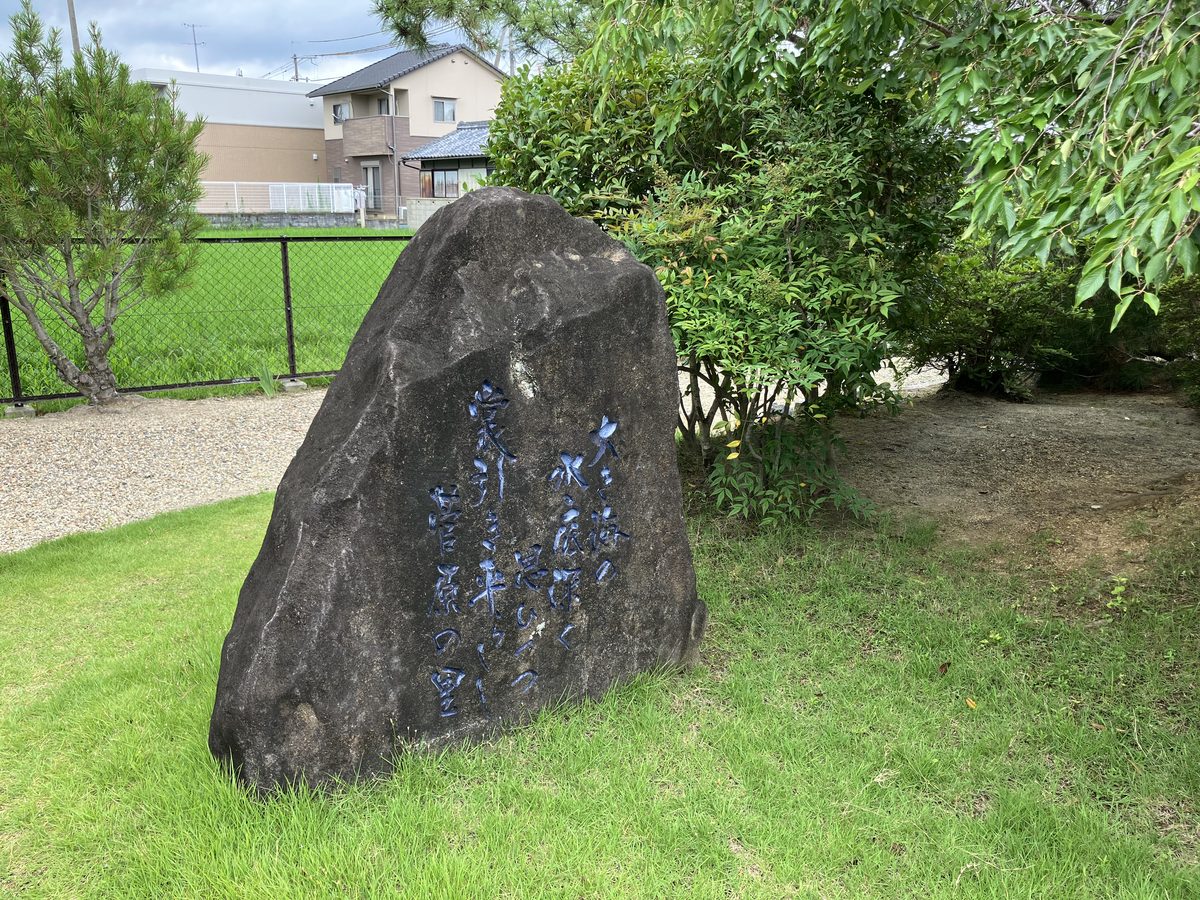
The grounds also have a monument to the poem by Aizu Yaichi, who visited the desolate temple in the Taisho era (according to the temple).
Visitor Information — Admission, Hours, Lotus Season
| Address | 508 Sugahara-cho, Nara City (Kikoji Temple, Hosso school) |
|---|---|
| Admission | Adults ¥500, elementary and junior high school students ¥300 (groups of 30 or more: adults ¥450, students ¥270) |
| Hours | 9:00–16:00 (last entry 15:45) On Saturdays, Sundays and holidays in July (lotus season): 7:00–16:00 |
| Lotus season | Usually from around mid-June through the summer (varies by year) |
| Time needed | About 1.5 hours (in my case) |
| Nearest stations | About 10 minutes on foot from Amagatsuji Station, Kintetsu Kashihara Line (according to the temple) About 20 minutes on foot from Yamato-Saidaiji Station, Kintetsu Nara Line (step-by-step photo guide) |
| Bus | From Yamato-Saidaiji Station South Exit (bound for Gakuen-mae) or Kintetsu-Nara Station (bound for Gakuen-mae (Minami)) → get off at "Hanna-Sugahara," right there (according to the temple) |
| Parking | 15 cars, in front of the South Gate |
| Iroha sutra copying | Available any time at the sutra-copying hall (offering fee ¥2,000) |
* Checked in November 2026 against Kikoji's official website, its pamphlet and the signs on site. The time needed is my (Masaru's) own estimate. Opening hours and special showing dates may change from year to year, so please check the official website before you go.
📷 Photos taken on Saturday, July 11, 2026
How to Visit — Early Morning in Lotus Season
If you are going to see the lotuses, I recommend going as early as you can. Lotuses are morning flowers. And as noon approaches, more and more visitors arrive. On Saturdays, Sundays and holidays in July, during lotus season, the temple opens at 7:00 a.m.
We always visit just two places at a time: "Kikoji and Saidaiji," or "Kikoji and Sugawara Tenmangu Shrine," which I will introduce in my next article. I spend about 1.5 hours at Kikoji, and then head to Saidaiji or Sugawara Tenmangu. If you plan to visit Sugawara Tenmangu or the other Lotus Road temples as well, please start early so you can see everything in the morning.
If you want to visit all four Lotus Road temples, my recommendation is to split them into two half-days. Since the lotuses bloom only in the morning, two temples are about all you can enjoy at a relaxed pace in one morning.
- One half-day: Saidaiji and Kikoji, walking from Yamato-Saidaiji Station (the routes I guide you through in No. 002 and this article)
- Another half-day: Toshodai-ji and Yakushi-ji
If you are visiting in the hot season
· Go in the morning, before the sun climbs high, while it is still not too hot.
· Never forget a parasol or a hat.
· Buy drinks at a convenience store on the way (Lawson or 7-Eleven), carry them with you, and drink often.
🏨 Staying Overnight in Nara?
If you want to arrive at Kikoji early in the morning, right when it opens, it is convenient to stay near Yamato-Saidaiji Station or along the Kintetsu Nara Line. There are four hotels you can book on Klook: Kamenoi Hotel Nara, introduced in No. 009 — Heijo Palace Site (free shuttle from the South Exit of Yamato-Saidaiji Station, reservation required by the day before; according to the hotel), the Nara Royal Hotel, introduced in No. 006–008, and Novotel Nara and the JW Marriott Hotel Nara, introduced in No. 005.
Ad
Besides these four, you can also search for and book other hotels and ryokan (Japanese inns) in Nara on Klook. Below are some of the places to stay in Nara listed on Klook.
Ad
Seasonal Highlights and Annual Events
- Lotus: Usually from around mid-June through the summer. About 250 pots of lotuses bloom in the grounds (varies by year).
- Nara Nishinokyo Lotus Road: Every lotus season (in 2026, June 18 to August 2). An event of the Nara City Tourism Association linking Saidaiji, Kikoji, Toshodai-ji and Yakushi-ji.
- Urabon memorial service and talk: Every year in mid-July, on a Saturday and Sunday in July when the lotuses are blooming (dates vary by year).
- Special showing of the Ugajin statue: January 1–15, and during the summer Lotus Road.
- Kikoji Ennichi: The 2nd of every month (the monthly memorial day of Gyoki), with a memorial service, a Buddhist talk and sutra copying.
- Gyoki-e Taisai: March 2 every year, with a great outdoor fire ritual (saito goma) and fire-walking (kasho zanmai).
(According to the temple)
Frequently Asked Questions
How much is the admission fee for Kikoji Temple?
¥500 for adults and ¥300 for elementary and junior high school students (checked on the official website in November 2026).
When is the best time to see the lotuses?
Usually from around mid-June through the summer. Even the temple's own materials give a range — "until mid-July," "until early August," "until around Obon (mid-August)" — and it also varies by year. When I visited on July 11, 2026, the season was just beginning, but many flowers were already in full bloom. Please check the temple's latest information before you go.
What time should I go?
Lotuses open in the morning and close in the afternoon, so I recommend going as early as you can. On Saturdays, Sundays and holidays in July, during lotus season, the temple opens at 7:00 a.m. As noon approaches, more visitors arrive.
What is the nearest station?
According to the temple, it is Amagatsuji Station on the Kintetsu Kashihara Line (about 10 minutes on foot). In this article, I guide you with photos along the walk from Yamato-Saidaiji Station (about 20 minutes, with only one turn), which is easy to reach whether you come on the Kintetsu Nara Line or the Kintetsu Kyoto Line.
How much time should I allow?
In my case, about 1.5 hours — enough to enjoy the lotuses slowly, take photos, and pray at the Benten-do and the Gyoki-do.
Can I try sutra copying?
Yes. At the temple's sutra-copying hall, you can do "Iroha sutra copying" — copying the old Iroha poem — at any time (offering fee ¥2,000, according to the temple).
What is the Lotus Road?
It is an event linking four temples known for their lotuses — Saidaiji, Kikoji, Toshodai-ji and Yakushi-ji — held every lotus season by the Nara City Tourism Association (in 2026, from June 18 to August 2). During the event, a combined admission ticket for the four temples is also sold in limited numbers.
Is there parking?
Yes, there is parking for 15 cars in front of the South Gate (according to the temple).
The Charm of Kikoji Temple
How did you enjoy this report?
Kikoji is the temple Gyoki founded, and where he spent his last days. In summer, with about 250 pots of lotuses packed in front of the main hall known as the "Trial Great Buddha Hall," the grounds are magnificent no matter how many times I visit.
I visit this temple at the same time every year. Each time, I feel the stillness of the grounds, separated by the South Gate and the white walls from the world of the road running just outside. That contrast is one of Kikoji's charms. And at the same time, I feel how much this temple is loved by the community, as part of local people's everyday lives.
Finally, I have one suggestion. Why not think of the four Lotus Road temples as two groups?
One is Saidaiji and Kikoji. As I introduced in No. 002 and in this article, these are quiet temples where you can take your time enjoying the lotus flowers, and where you can also meet local people. The nearest station is Yamato-Saidaiji Station.
The other is Toshodai-ji and Yakushi-ji — famous temples that are World Heritage Sites, lively places visited by many tourists, not only from nearby Asia but from as far away as Europe and America. The nearest station is Nishinokyo Station.
Which lotuses will you come to see?
This article is about the lotus season, so please use it to plan your trip for next year.
This blog will continue to share places with real character that most people never notice — please come and see them with your own eyes.
To Gyoki's Temple, to Meet the Morning Lotuses 🪷
I hope you will come and visit this temple founded by Gyoki and loved by the local people.
Surely, your own unique Nara is waiting for you.
Life is a journey. Let's walk it slowly, together.