Chokyuji Temple, Ikoma: The Hydrangea Temple Nara Locals Would Rather Keep Secret (Best Time, National Treasure Hall, Walking Route from Tomio Station)
📢 Affiliate Disclosure: This article may contain affiliate links. If you make a purchase or booking through these links, we may earn a small commission to help support the blog. Thank you for your understanding. → Privacy Policy
🏨 Looking for a place to stay in Nara? → See where to stay
Did you enjoy No. 009 — Heijo Palace Site? I hope you liked that strange sight of a train running right across a World Heritage Site.
This time, No. 010 is a little different. All nine places I have introduced so far were in Nara City. For the first time, we head next door to Ikoma City. The place I would like to introduce is Chokyuji Temple. Its main hall is the only National Treasure building in Ikoma City, and yet it almost never appears in guidebooks. It is a temple where local people come to relax.
I have visited this temple many times, and I have never once seen a traveler from abroad in its grounds. The visitors are local people and, like us, a handful of Nara residents who know about it. Families who belong to the temple come for memorial services as part of everyday life, and members of a nearby high school baseball team run through the grounds. It is a temple that lives inside people's daily lives. Of the ten places so far, I think this is the most local of all.
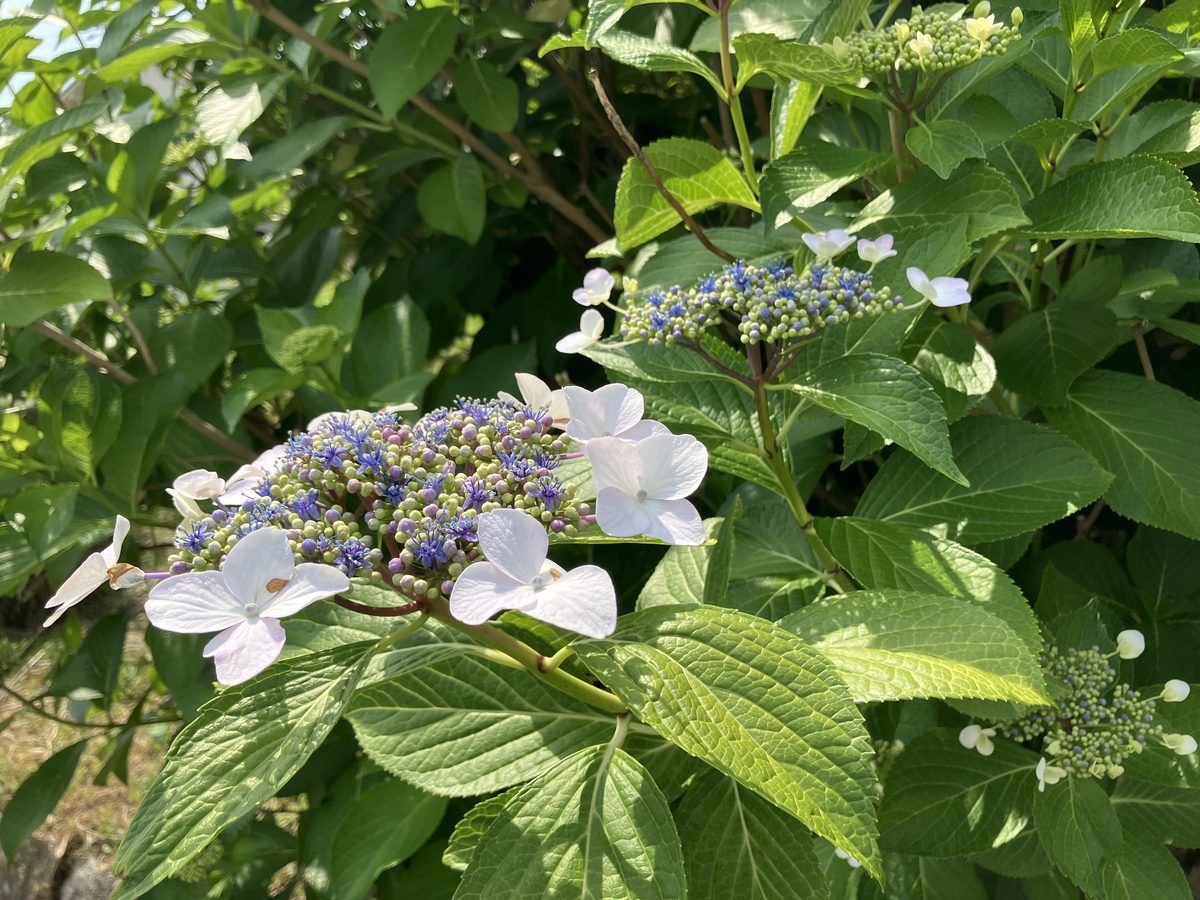
I visited on Saturday, June 13, 2026, when the hydrangeas in the grounds were blooming in many colors. This article is about the hydrangea season, so please use it to plan your trip for next year.
This article guides you on foot from Tomio Station (A19) on the Kintetsu Nara Line, with photos (about 50 minutes, about 3.4 km).
The nearest stations are Gakken-Kita-Ikoma Station (about 17 minutes on foot) and Shiraniwadai Station (about 18 minutes) on the Kintetsu Keihanna Line. There are also buses (see Other Ways to Get There).
About Chokyuji Temple — A Local Temple with Ikoma's Only National Treasure Hall
An Emperor's Hunt and a Beginning Tied to the "Bow"
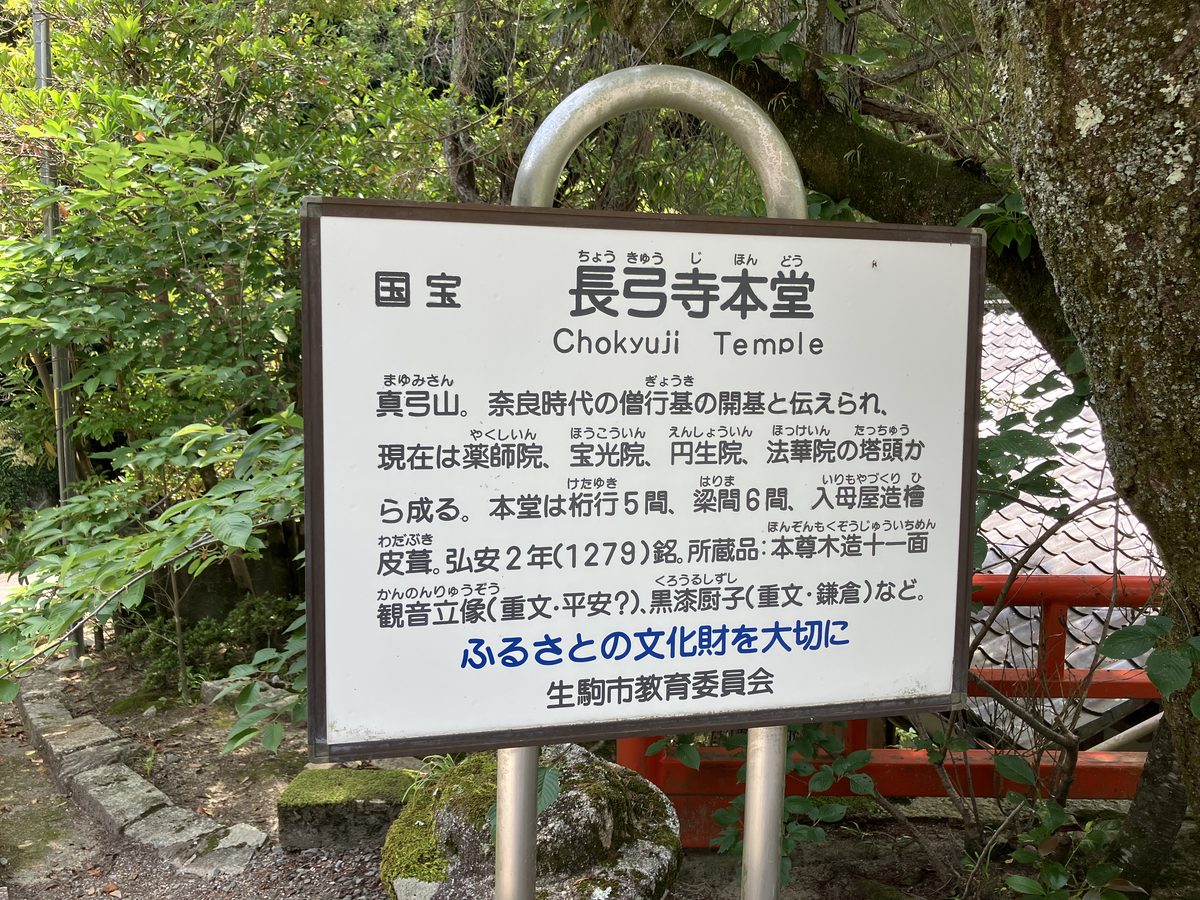
According to the temple's history, the temple began in the Nara period after an incident during a hunt involving Ono no Nagayumi, who was accompanying Emperor Shomu, and his adopted son Nagamaro. The emperor then ordered the monk Gyoki to build a hall. The temple's mountain name is Mayumi-san, which contains the character for "bow" — and the temple's name, Chokyuji, means "Temple of the Long Bow."
There is also a legend that the small Buddha face on top of the head of the principal image, the Eleven-Faced Kannon, was carved from the grip of Emperor Shomu's bow.
In the Heian period, Fujiwara no Yoshitsugu arranged the temple buildings, but at the end of the Heian period the temple was struck by fire, and the present main hall was built in the Kamakura period. It survived hard times — the Onin War in the Muromachi period, the confiscation of temple lands in the Warring States period, and the anti-Buddhist movement of the Meiji era — and after a major dismantling and restoration in 1935, the main hall has been handed down to the present day.
Ikoma's Only National Treasure Building — A Kamakura-Period Main Hall
An ink inscription on the ridge beam shows that the main hall was built in 1279. With its hip-and-gable roof covered in cypress bark, it is known as a representative esoteric Buddhist hall of the Kamakura period, and it is the only National Treasure building in Ikoma City. The principal image, a wooden standing Eleven-Faced Kannon, and the black-lacquered shrine cabinet that holds it are designated Important Cultural Properties (according to the sign on site).
Today, Chokyuji is made up of four sub-temples (small temples within the grounds of a larger temple): Yakushi-in, Hoko-in, Ensho-in, and Hokke-in.
Izanagi Shrine, the Guardian — Why a Torii Gate Stands at the Temple Entrance
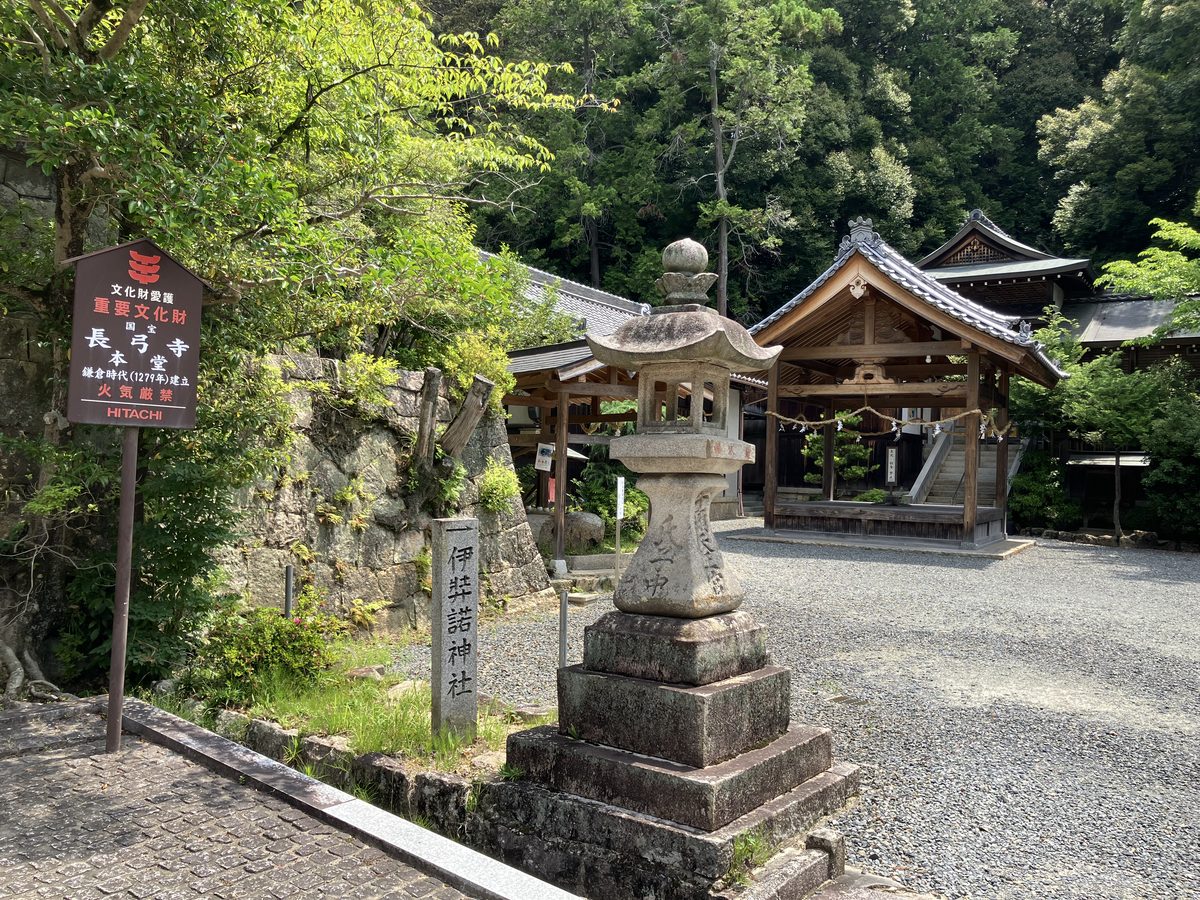
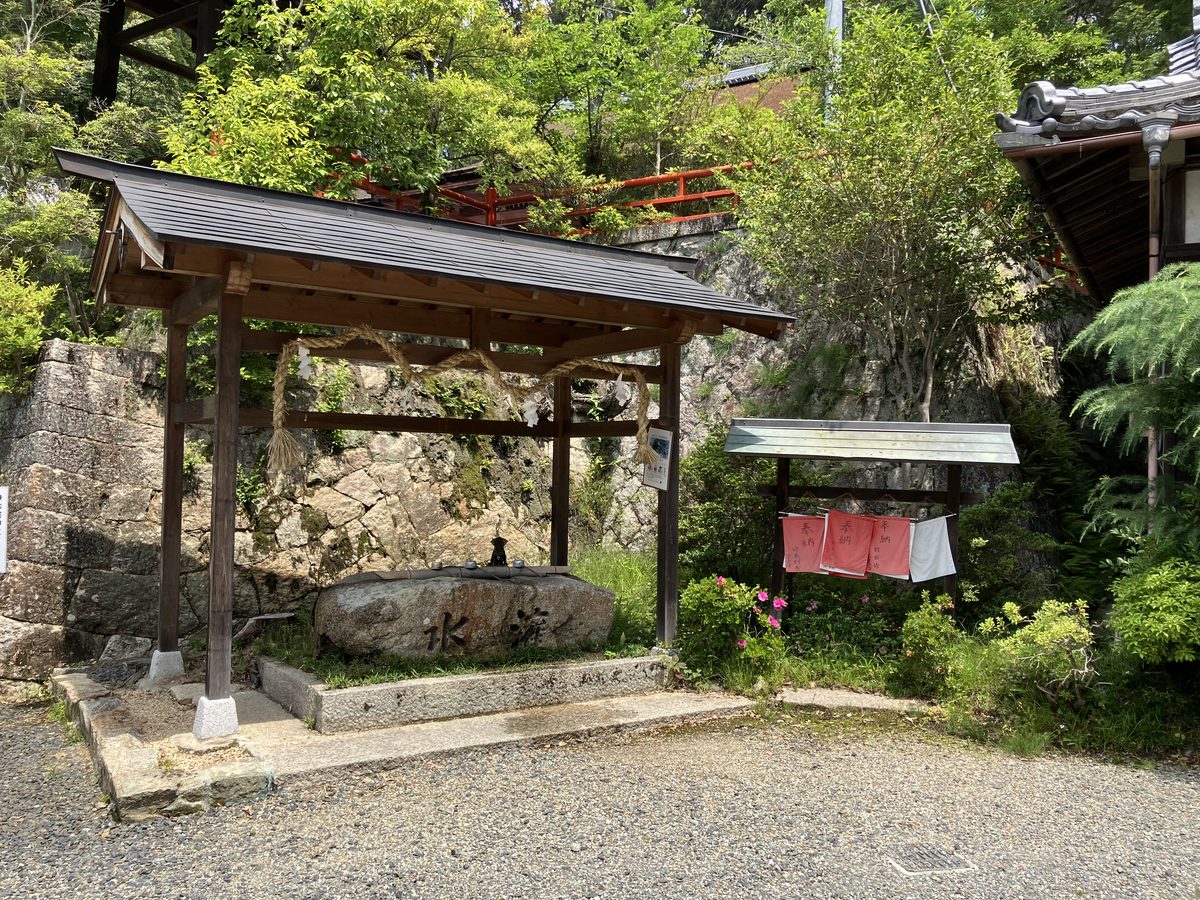
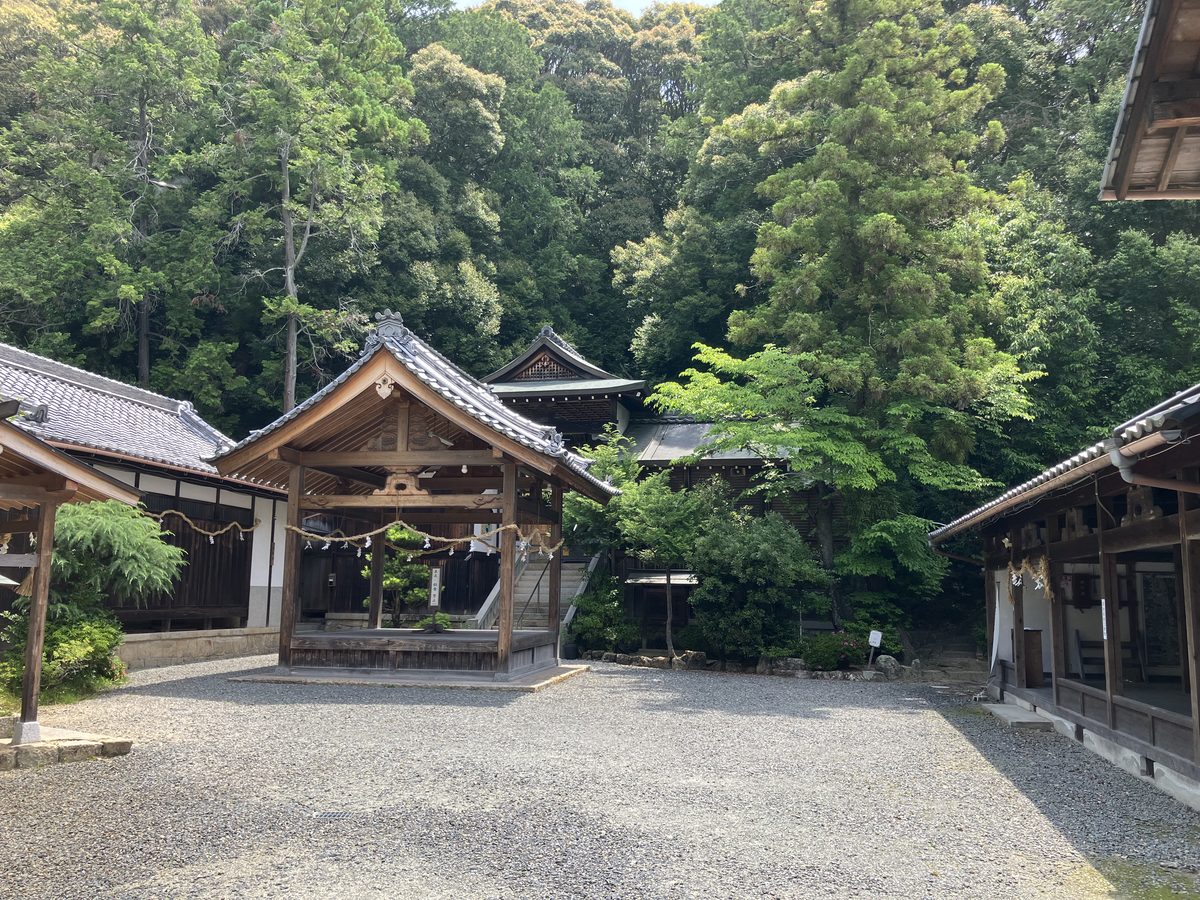
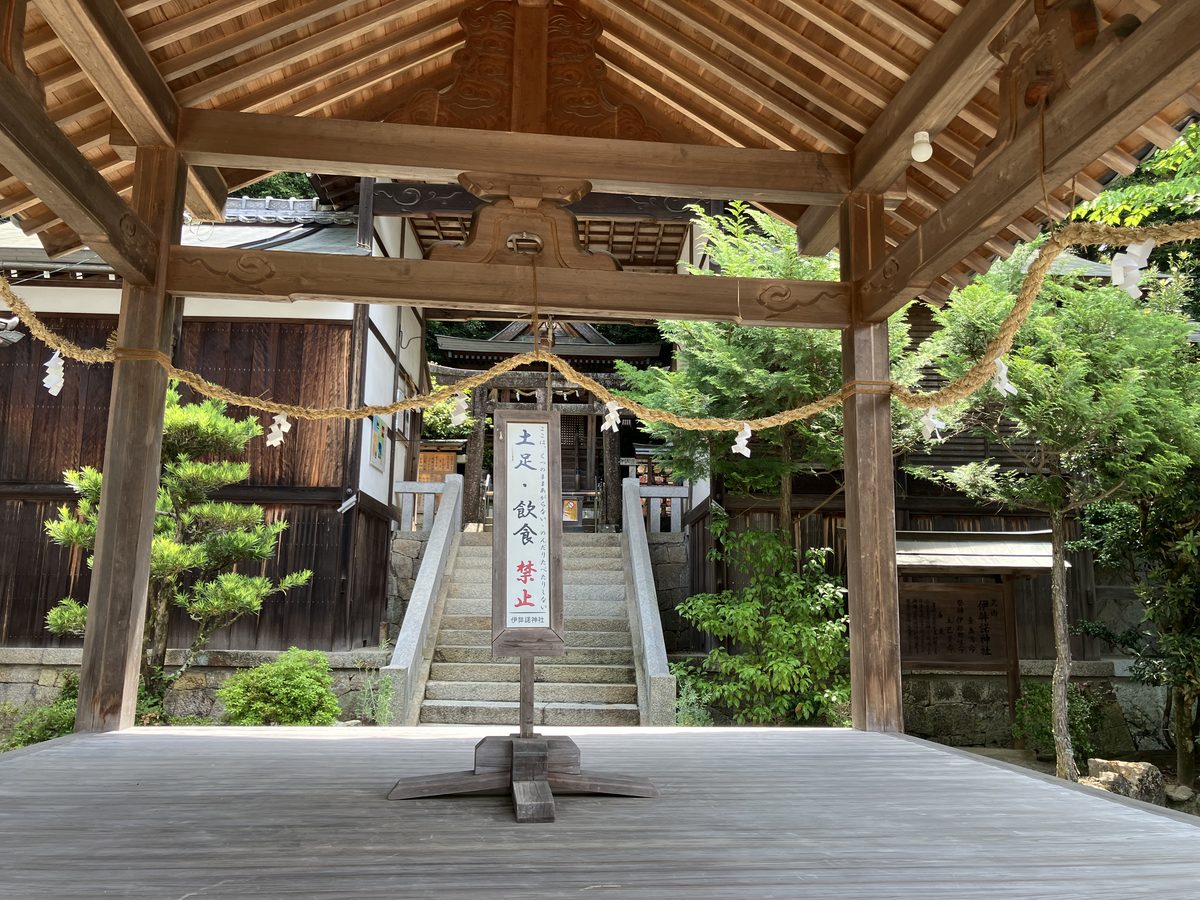
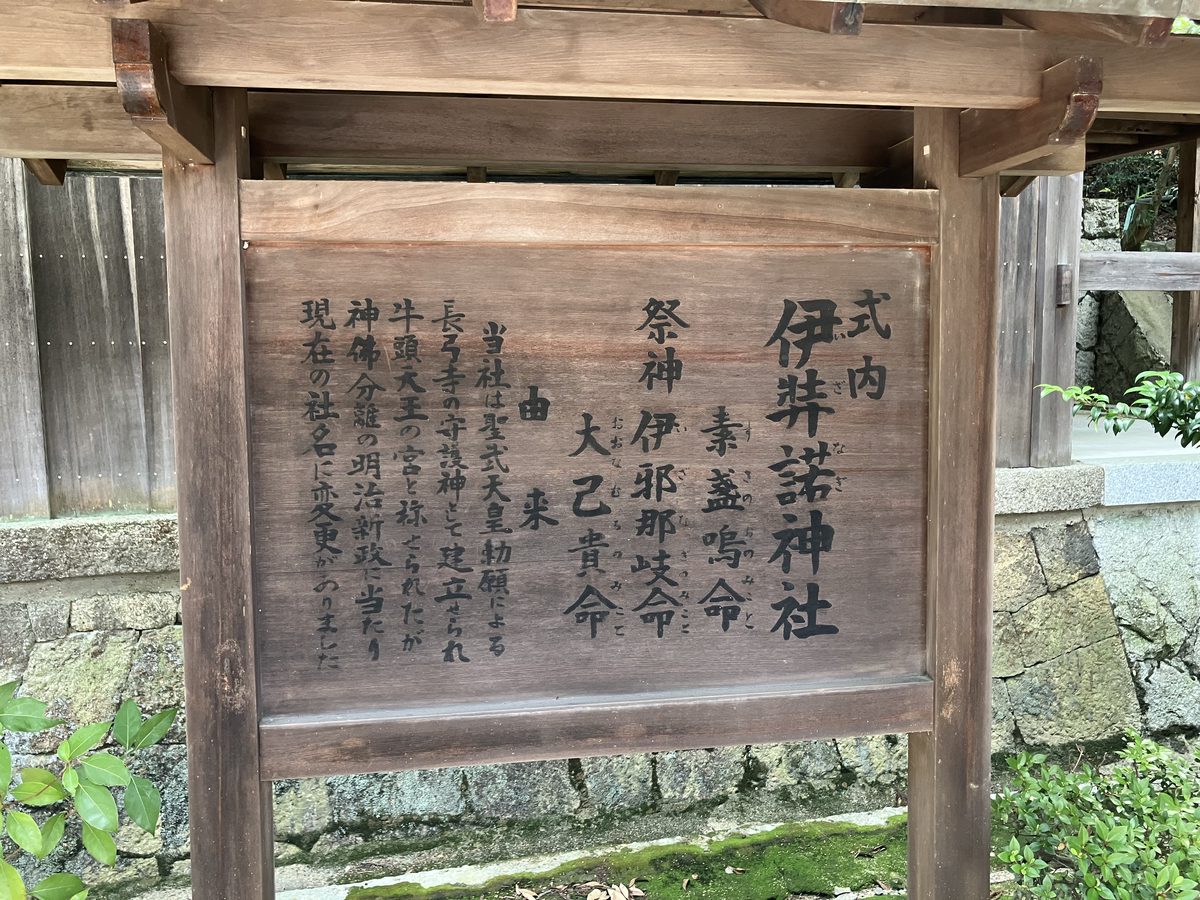
Within the grounds of Chokyuji stands Izanagi Shrine. According to the sign on site, it was built as the guardian shrine of Chokyuji at the wish of Emperor Shomu. It was once called the "Shrine of Gozu Tenno," but its name was changed to the present one when Shinto and Buddhism were separated in the Meiji era.
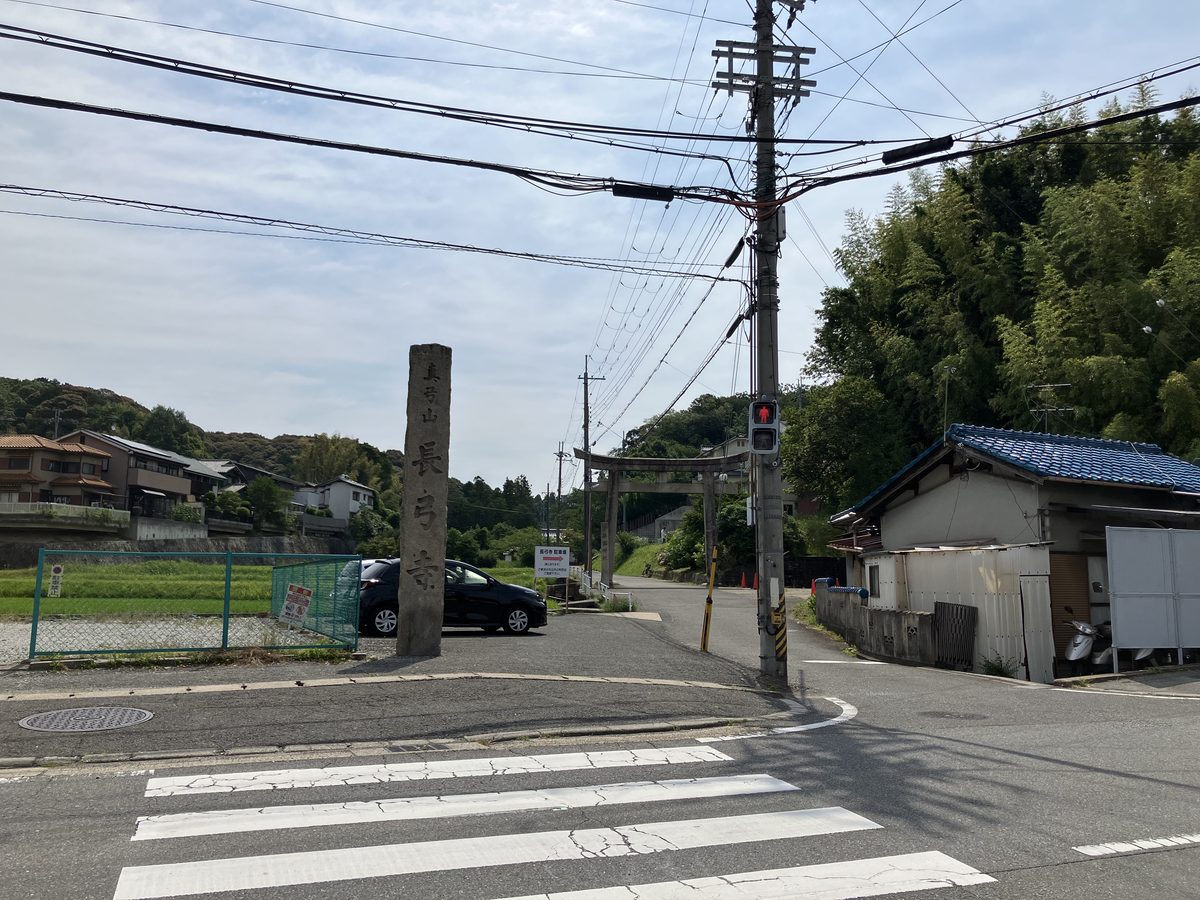
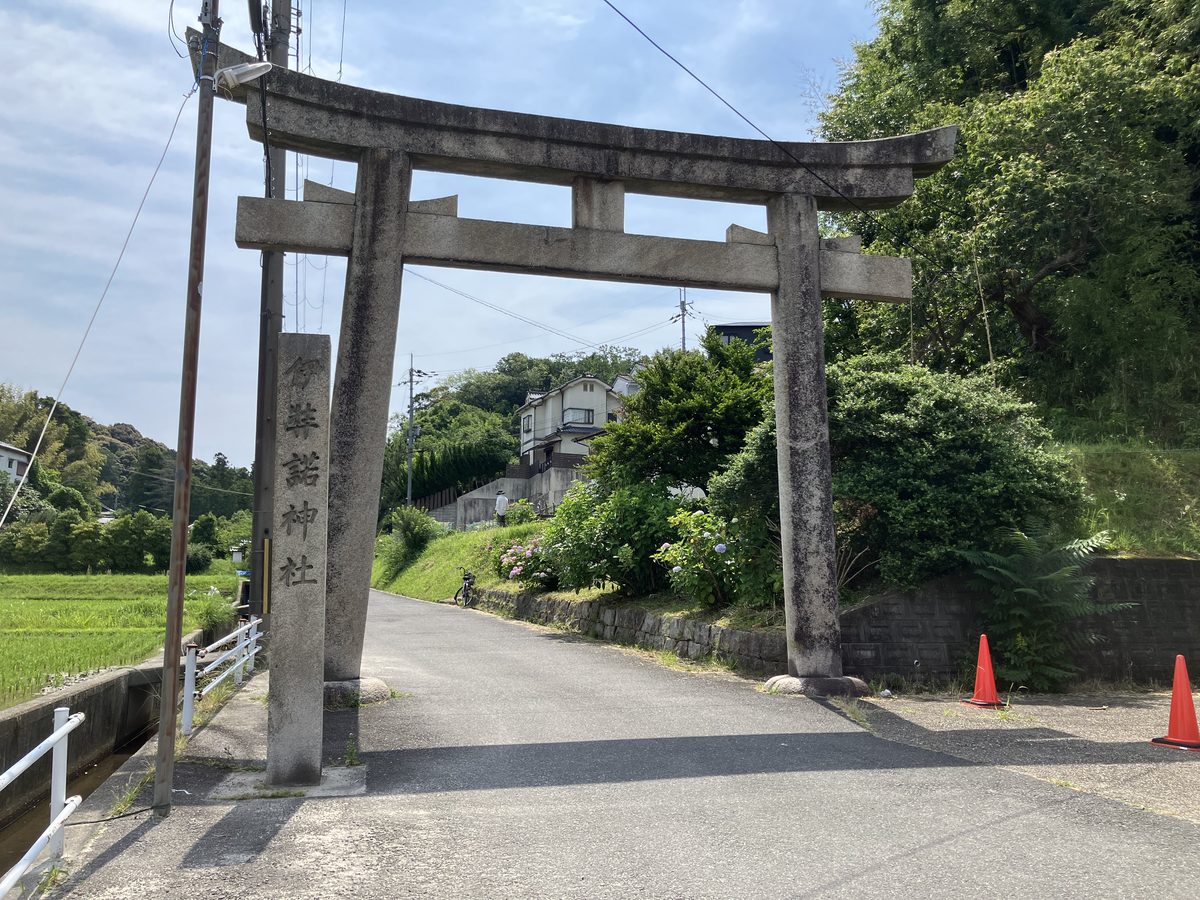
The name of Izanagi Shrine is also carved on the pillar of the torii gate at the entrance to the approach. A temple and a shrine side by side — an old form of Japanese prayer still lives on here.
Access (Basic Information)
Tomio Station – Chokyuji Temple (on foot)
· Distance: about 3.4 km
· Time: about 50 minutes
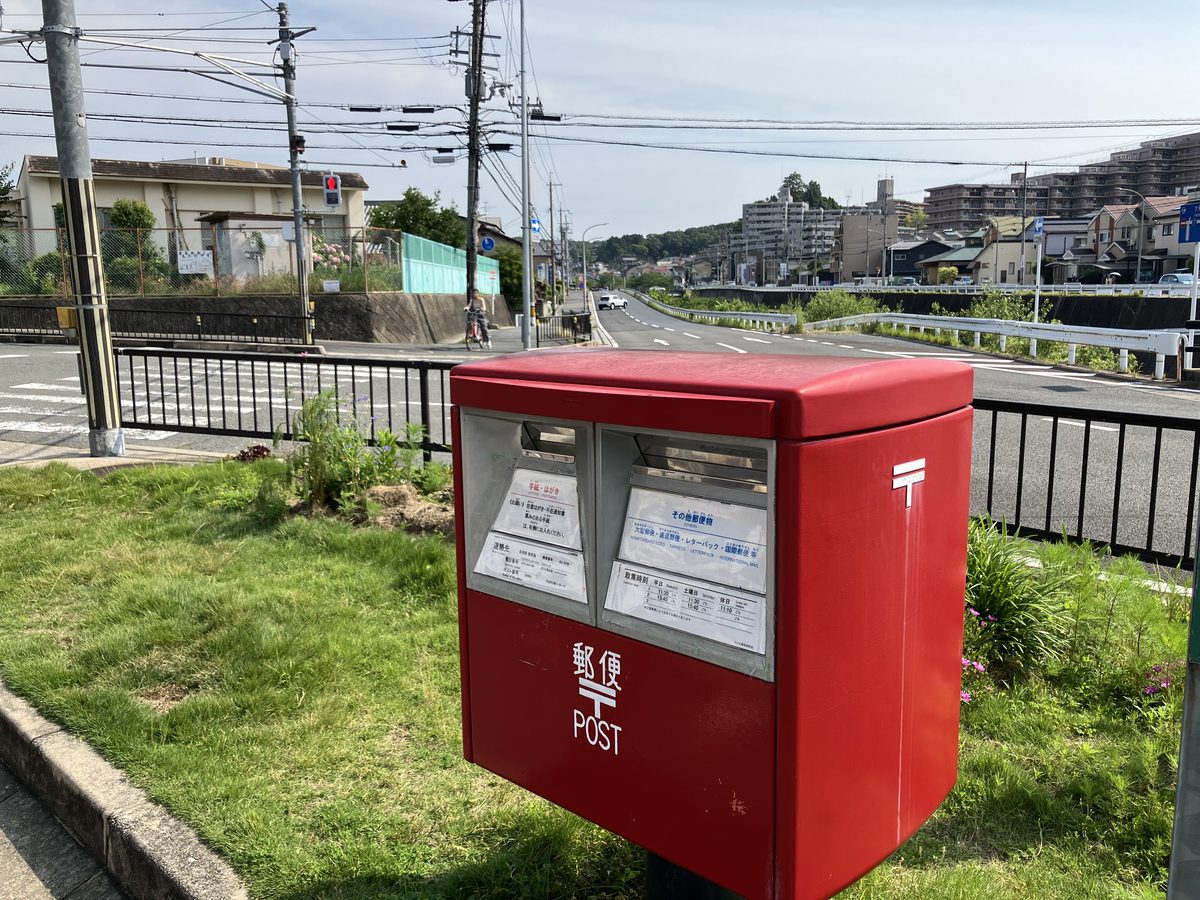
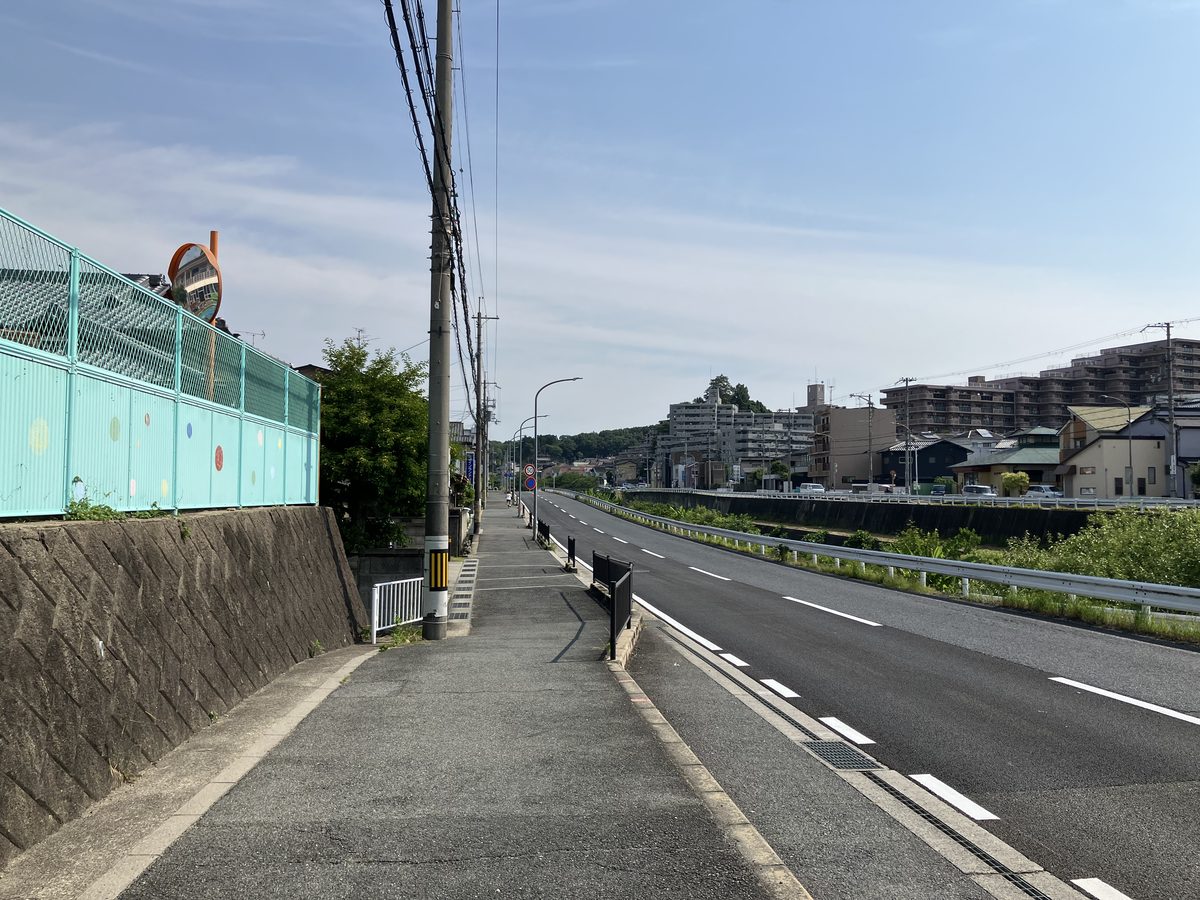
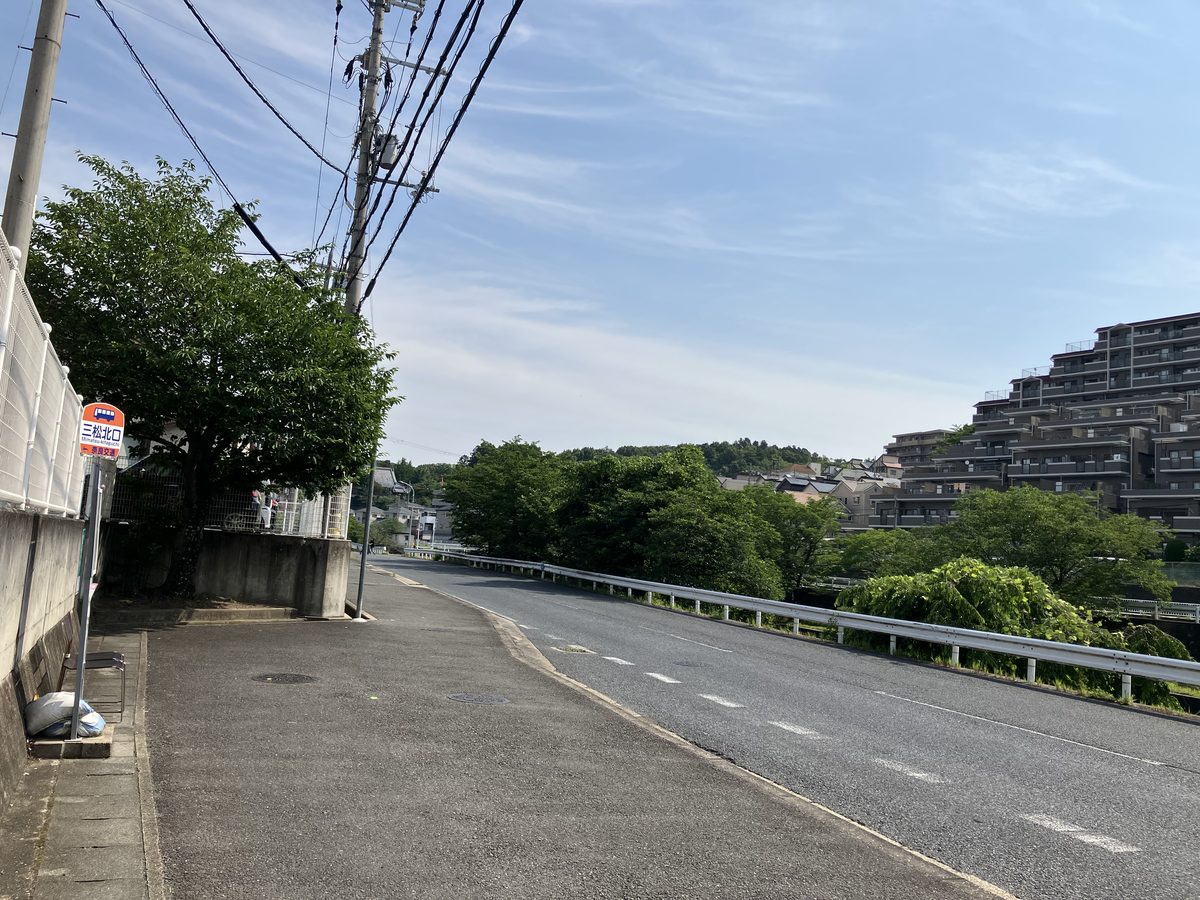
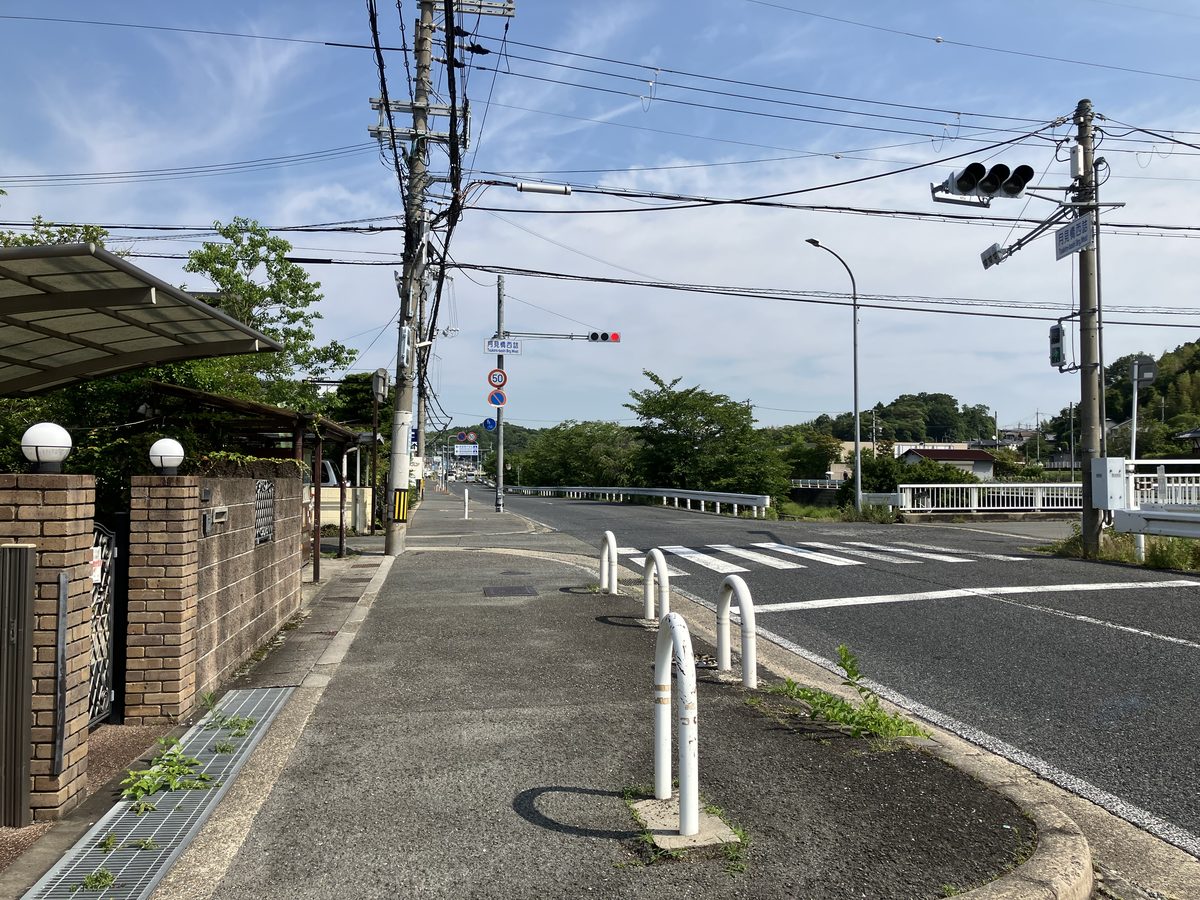
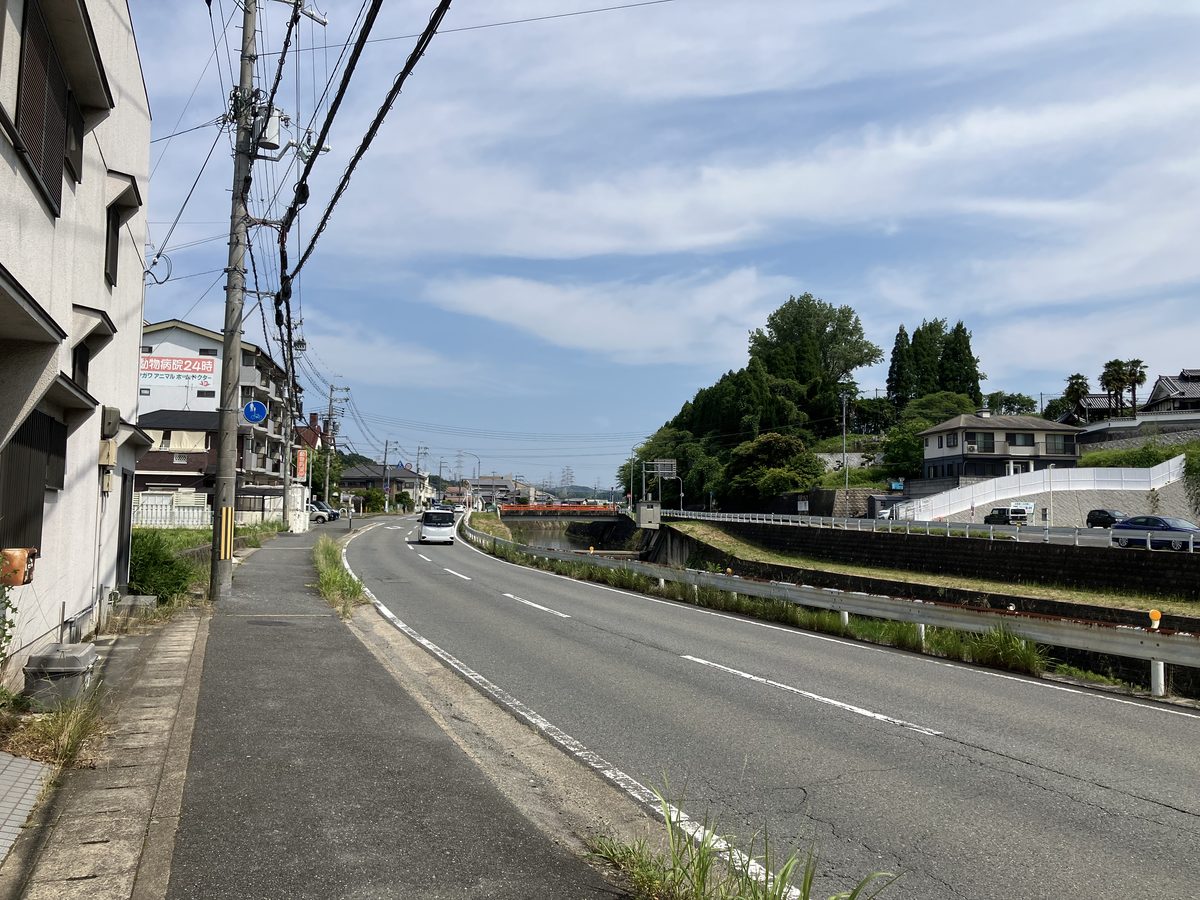
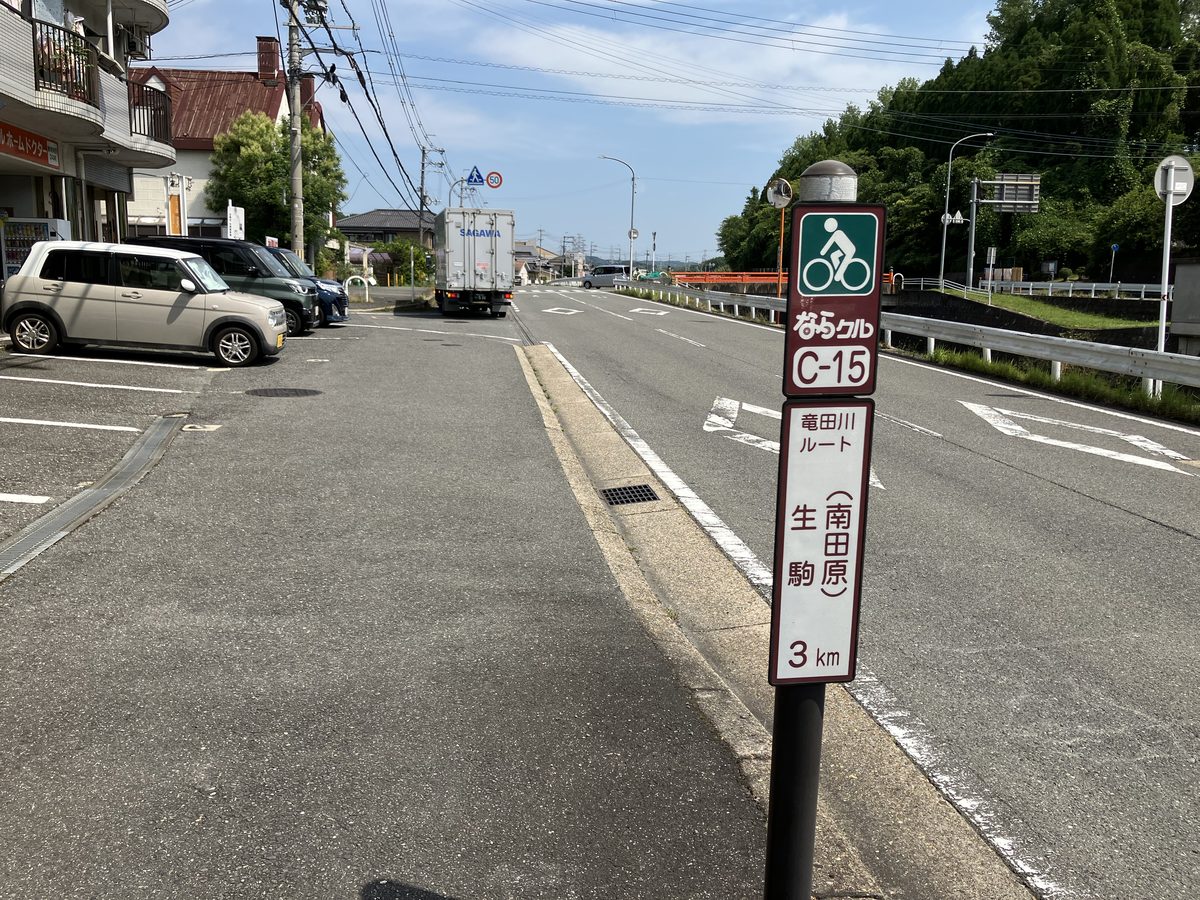
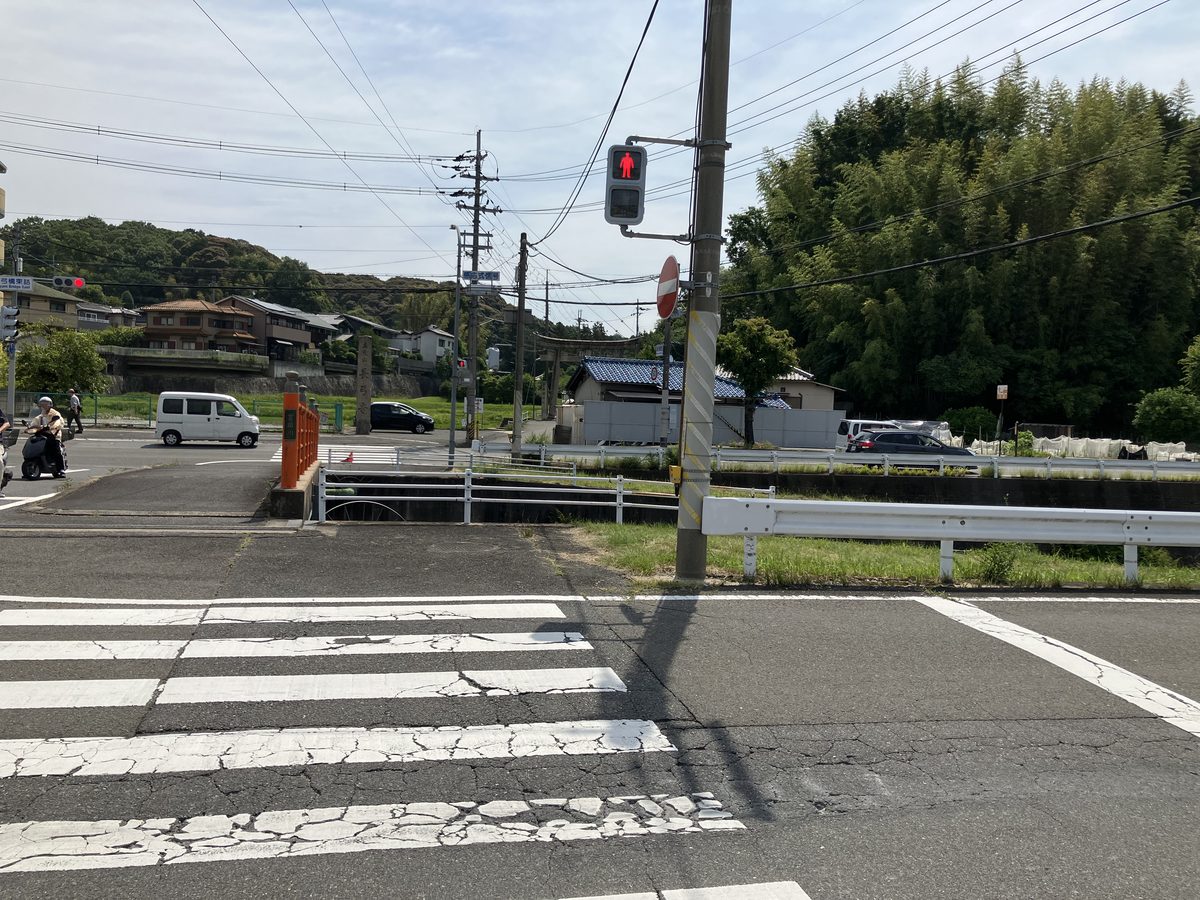
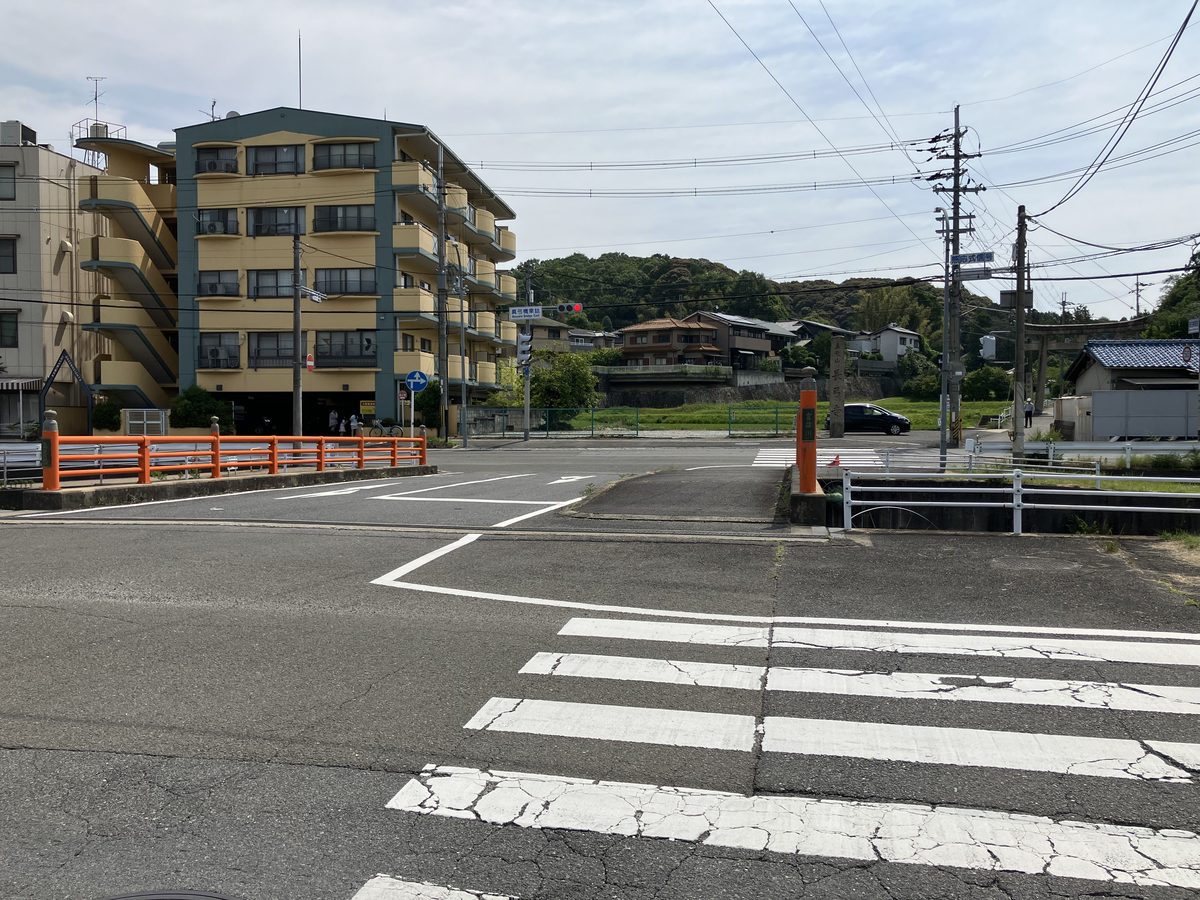
· Route: Leave Tomio Station, head north, and go straight via Prefectural Route 7 until you arrive.
Getting to Chokyuji Temple from Tomio Station on the Kintetsu Nara Line
The nearest station to Chokyuji is Gakken-Kita-Ikoma Station on the Kintetsu Keihanna Line. Even so, there are reasons why this article guides you on foot from Tomio Station on the Kintetsu Nara Line.
One is to keep the Kintetsu Nara Line as the starting point, as in my earlier articles. The areas where visitors from abroad often stay in Nara are mainly along the Kintetsu Nara Line. To reach a Keihanna Line station by train, you first have to go to Ikoma Station on the Kintetsu Nara Line and change trains, which feels like a detour. Also, buses from Tomio Station to the area near Chokyuji run only about once an hour.
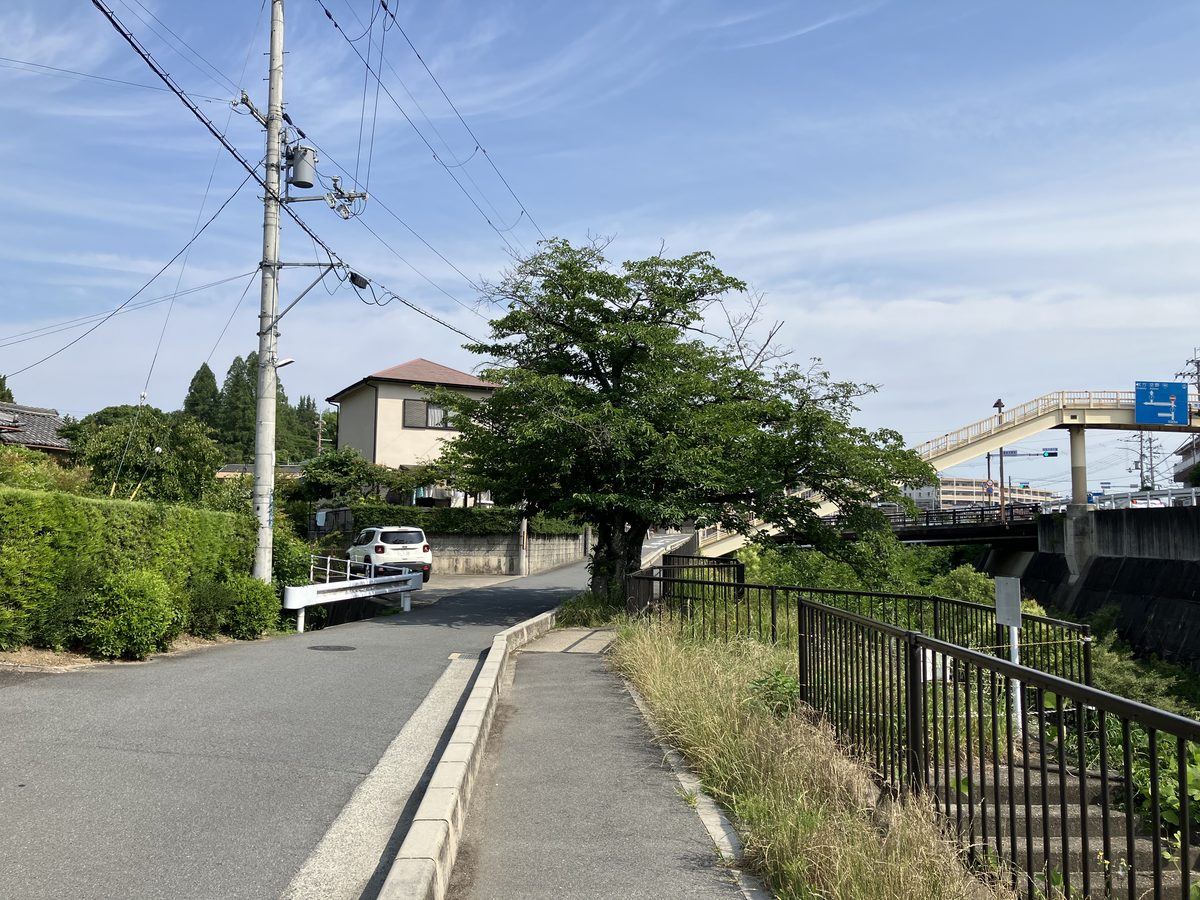
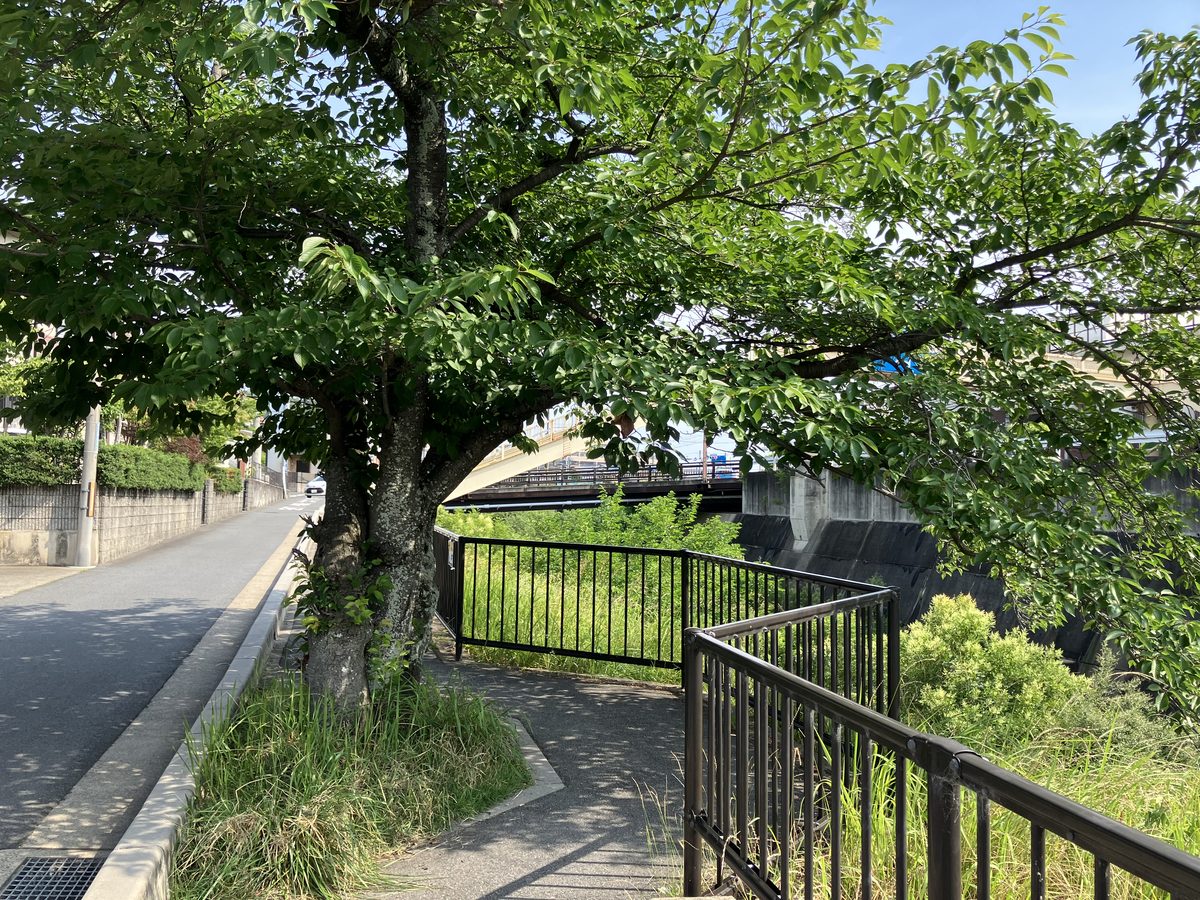
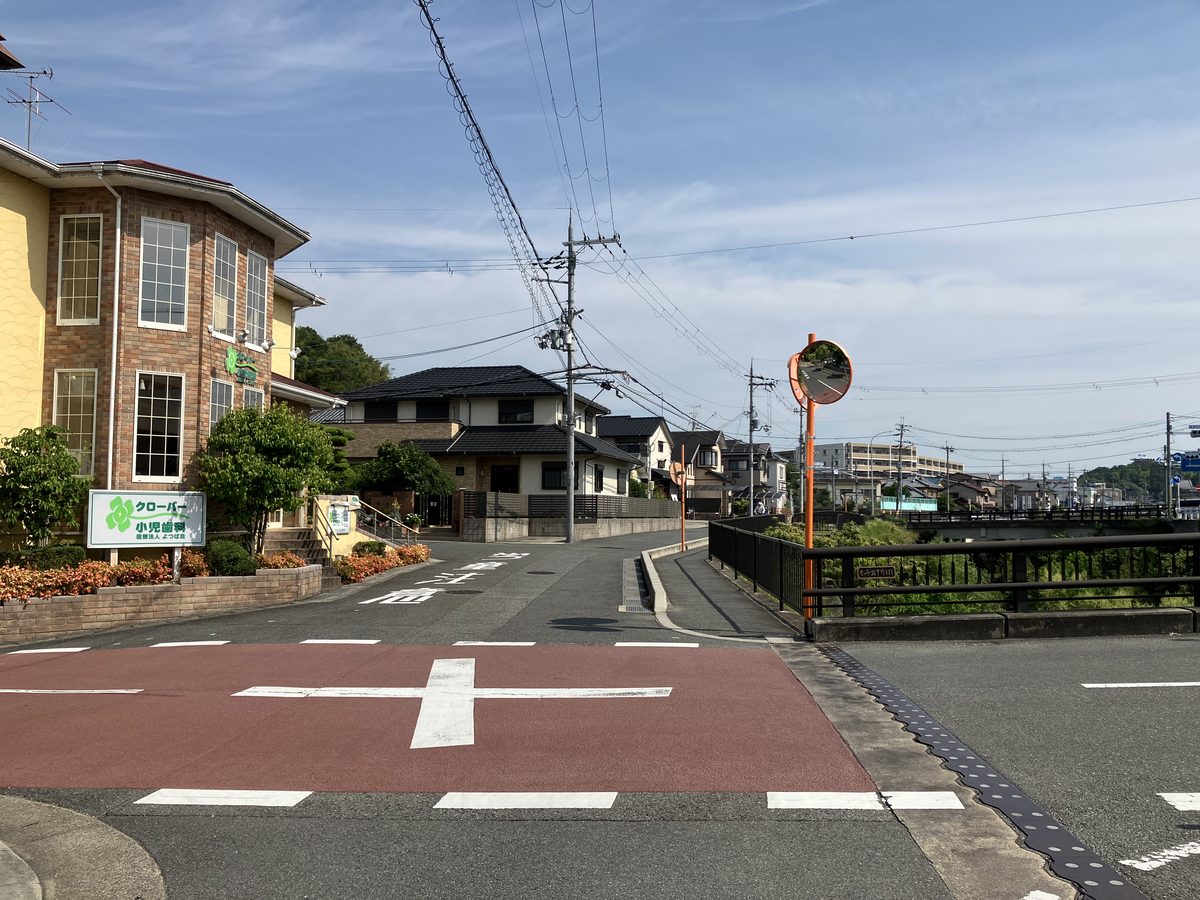
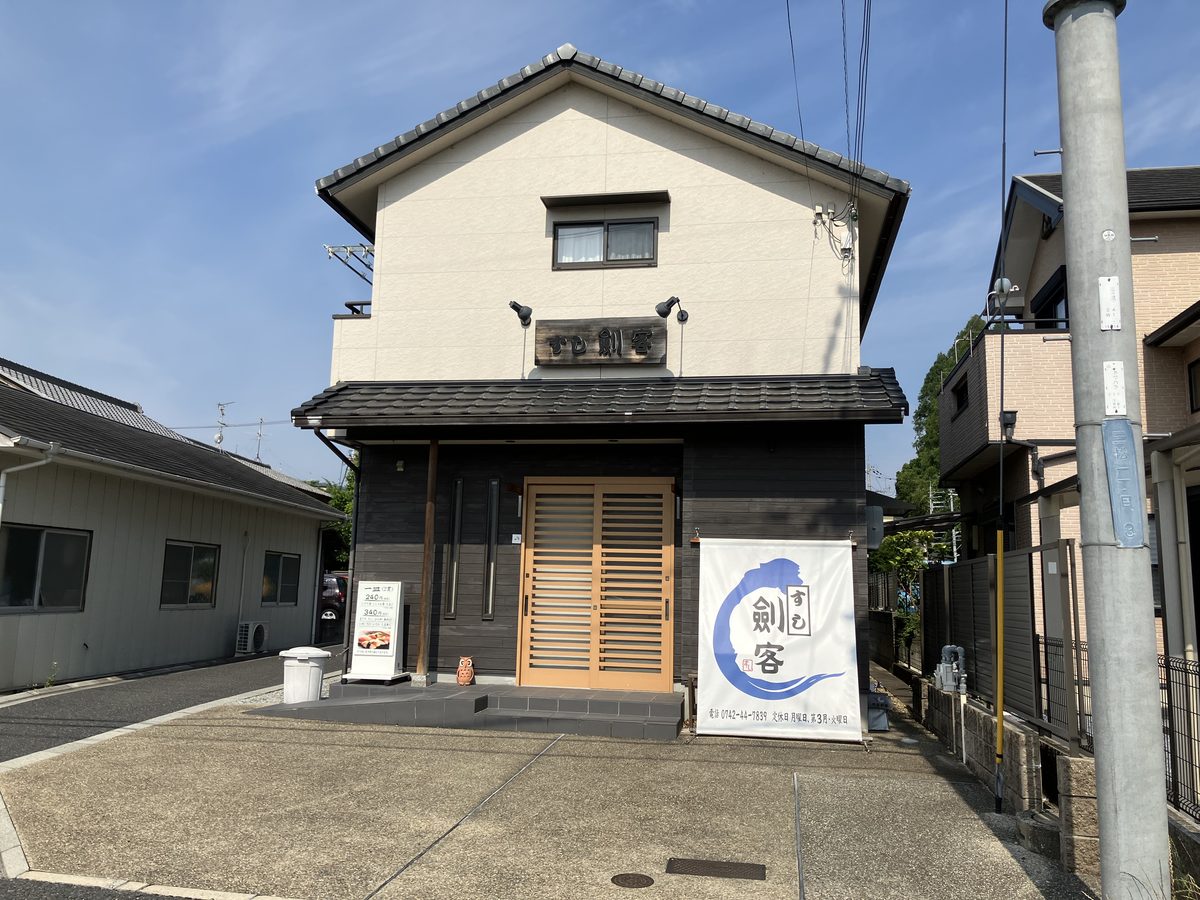
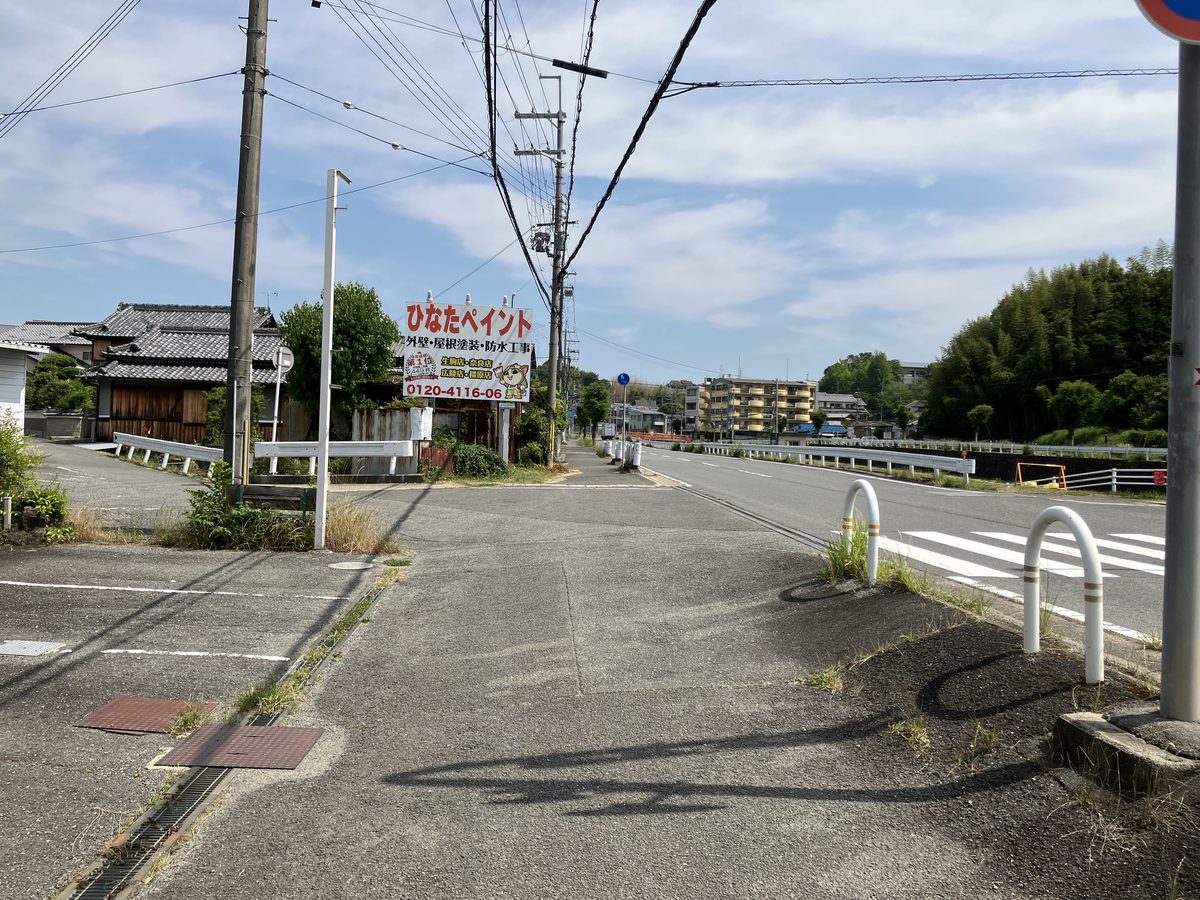
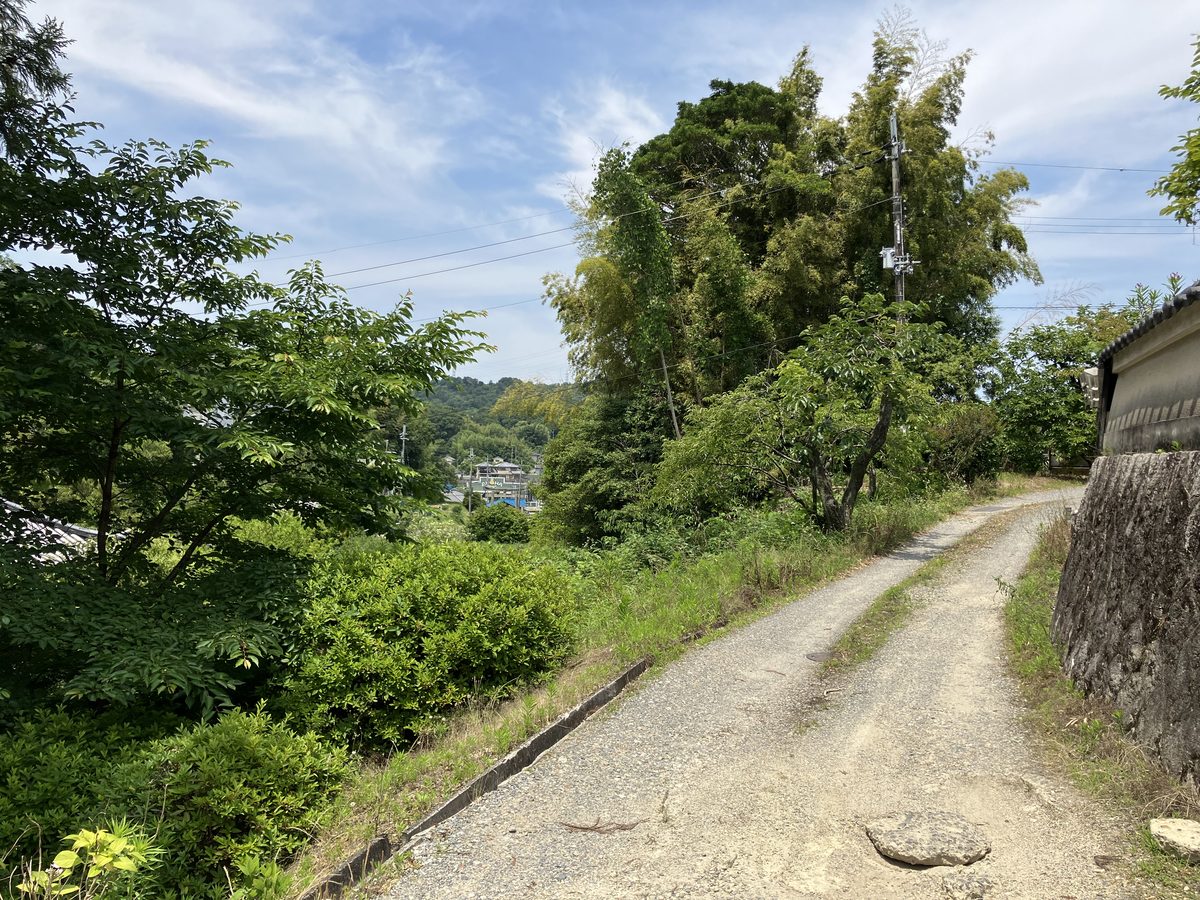
And the other reason: from Tomio Station to Chokyuji, it is about 50 minutes on foot, heading north along the Tomio River. It is certainly not close, but for those who enjoy walking, I think it is not too far. I would love you to walk slowly through these very local, quiet streets of Nara, enjoying the scenery and shops along the way, on your way to Chokyuji.
The real joy of travel is not only the destination — the journey itself is the trip.
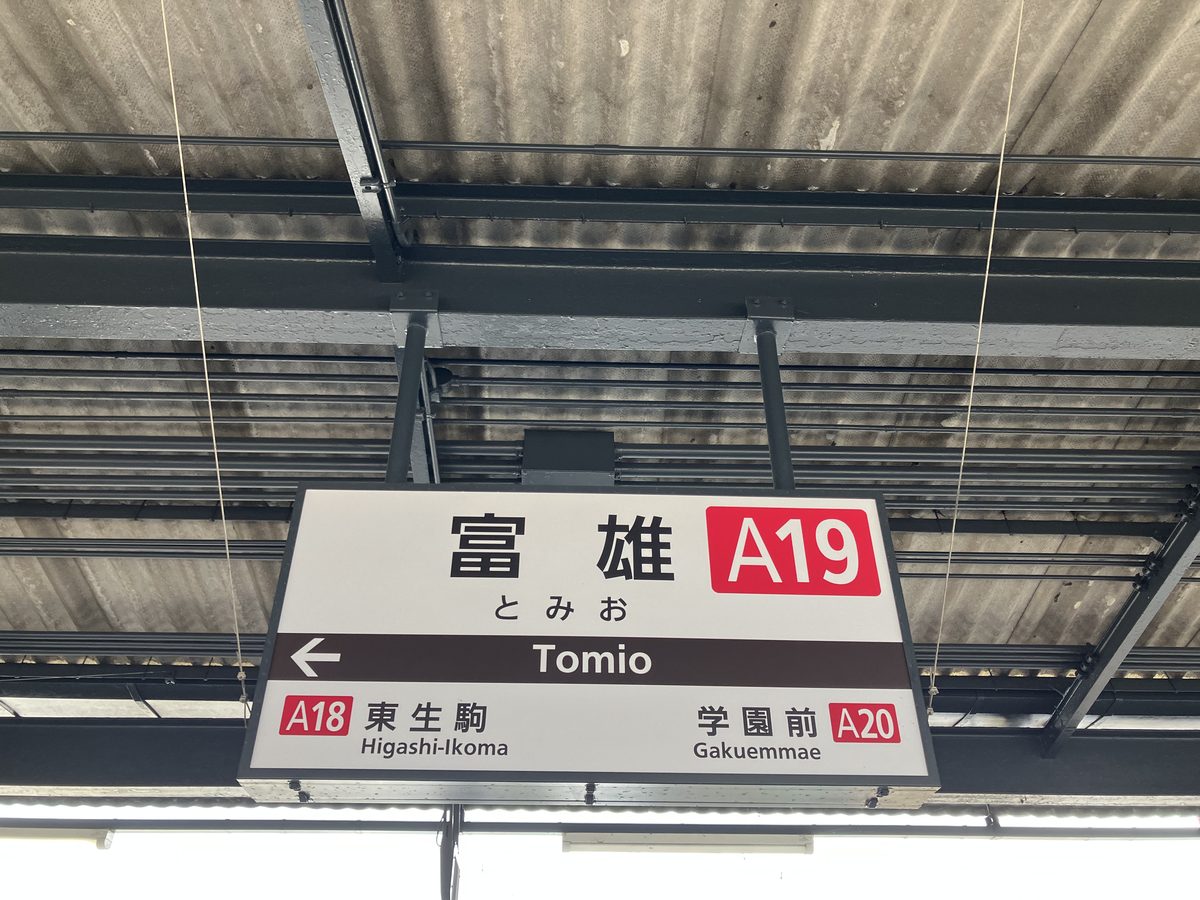
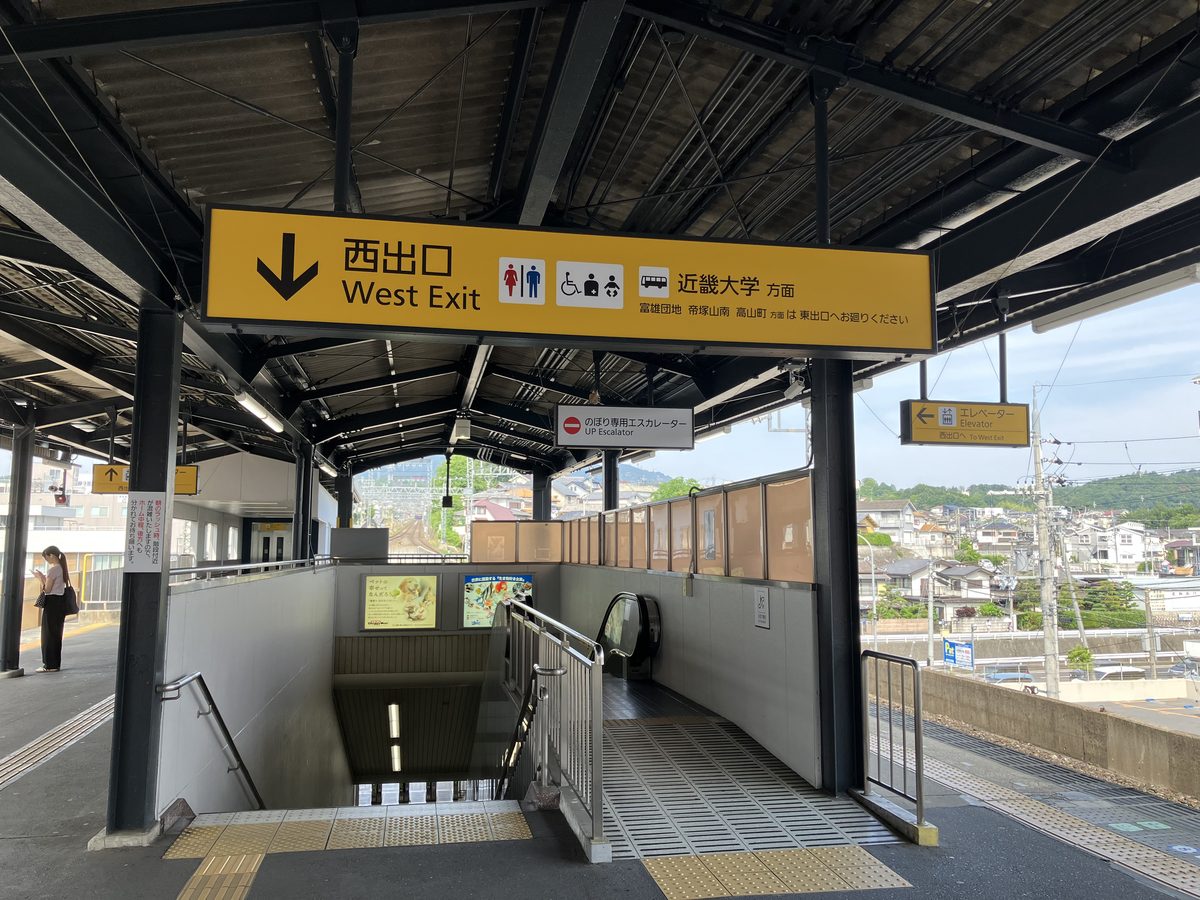
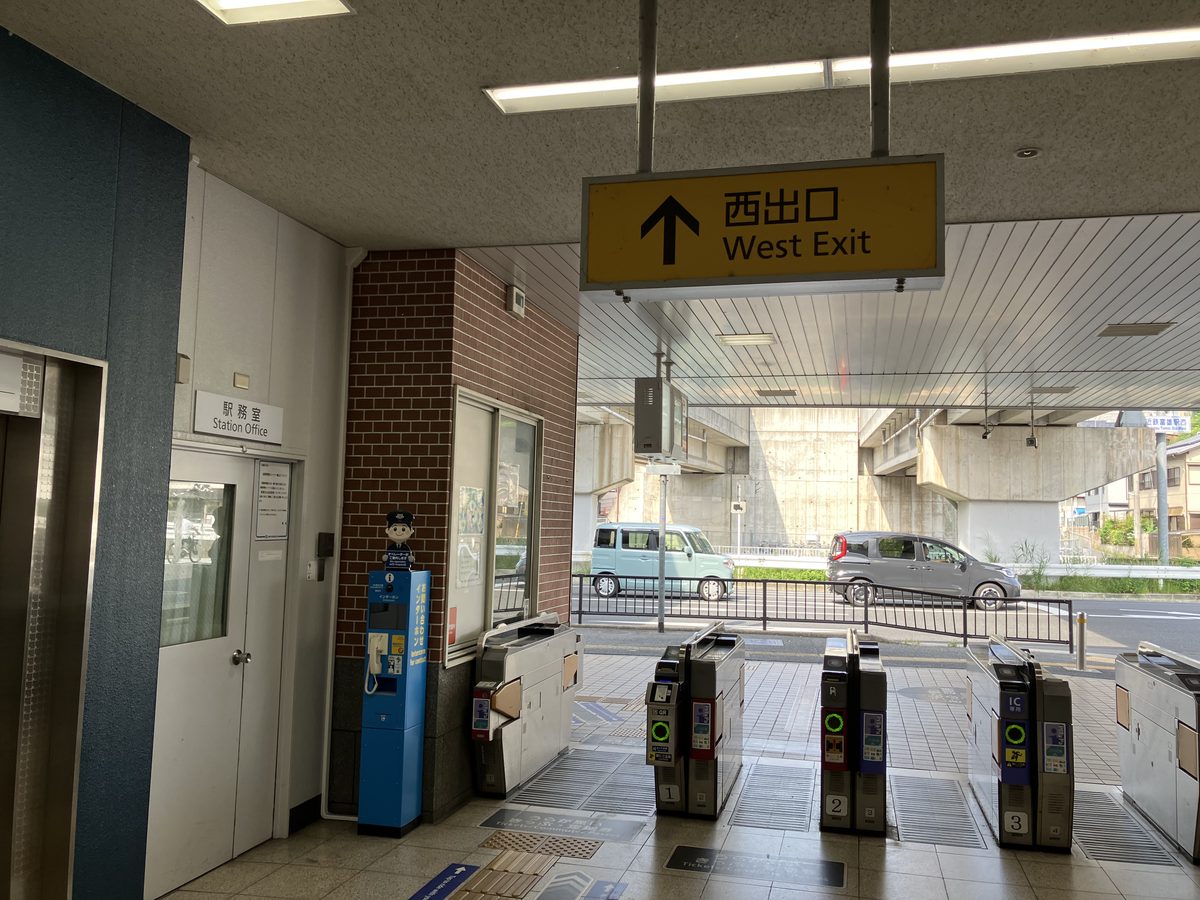
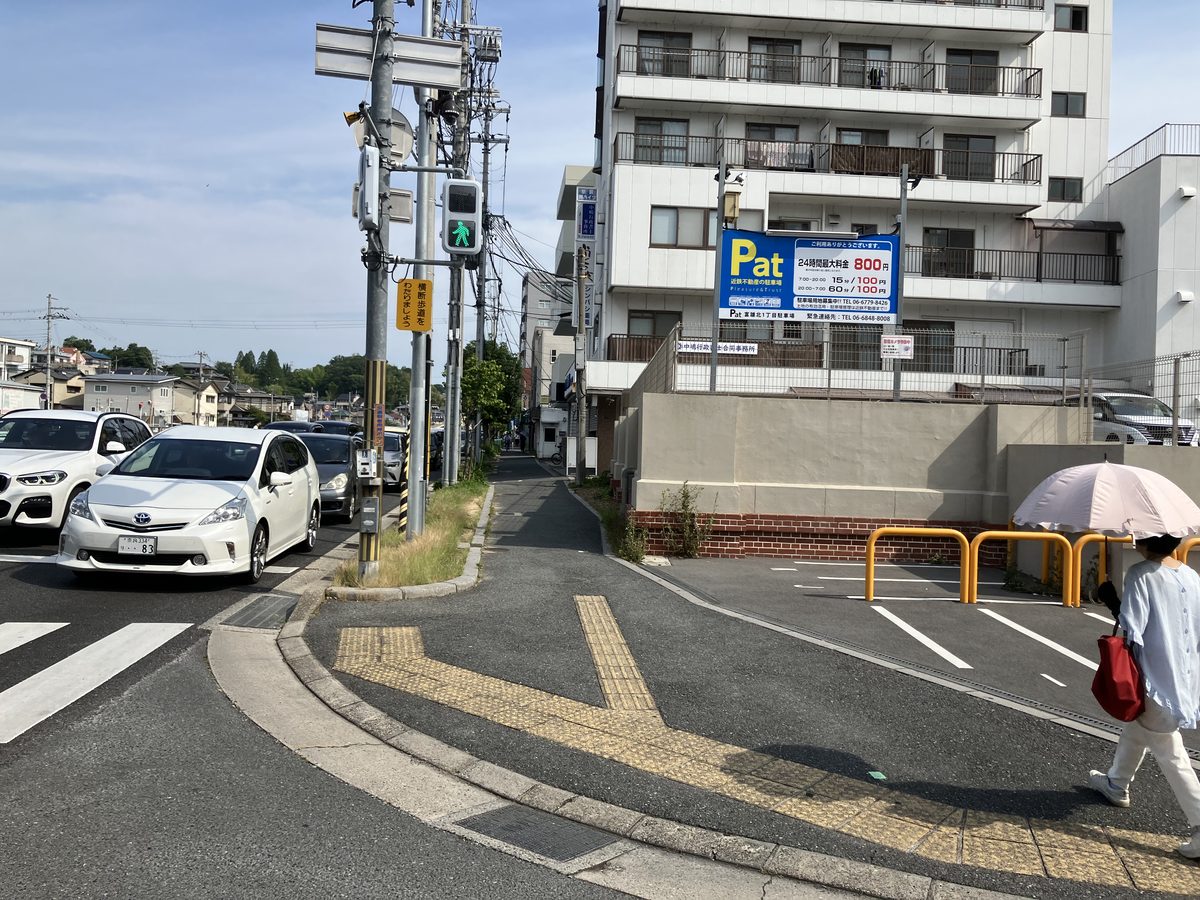
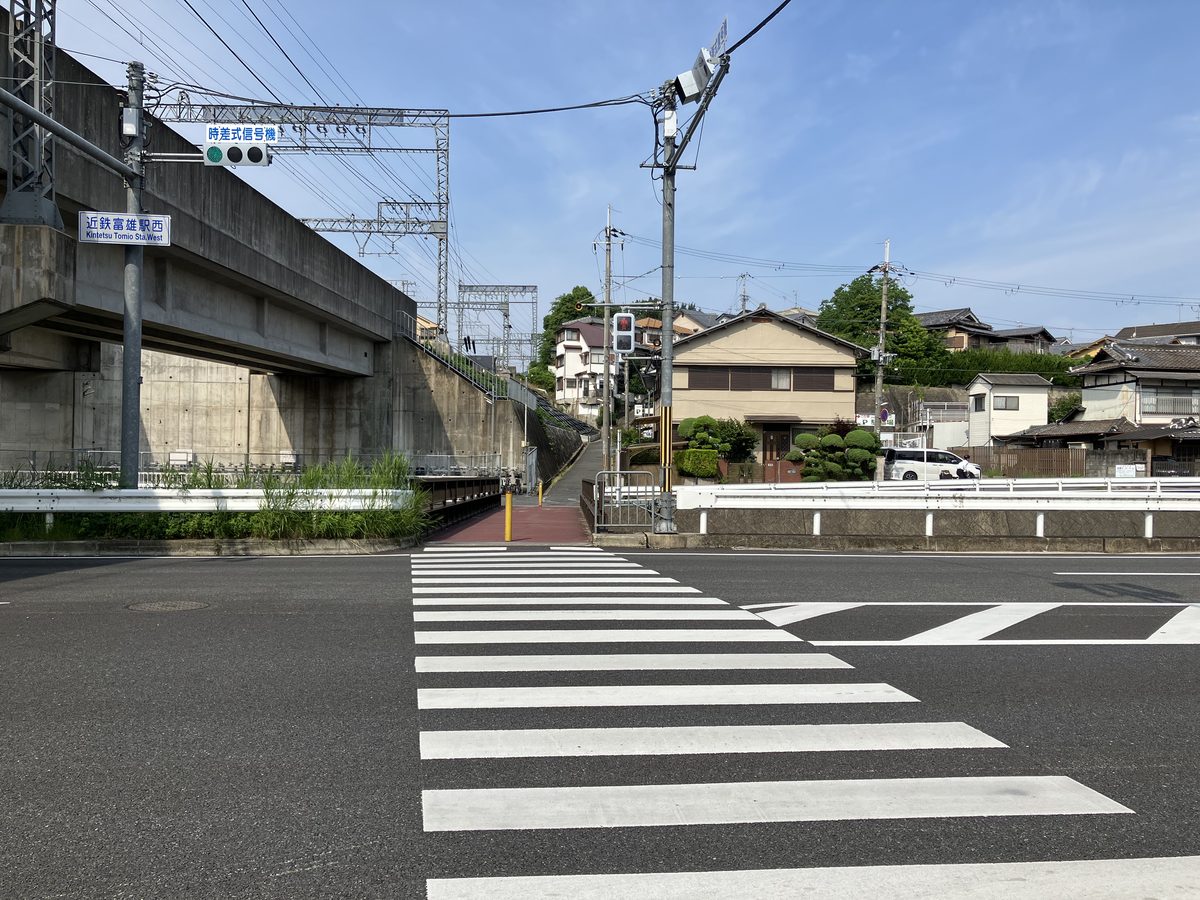
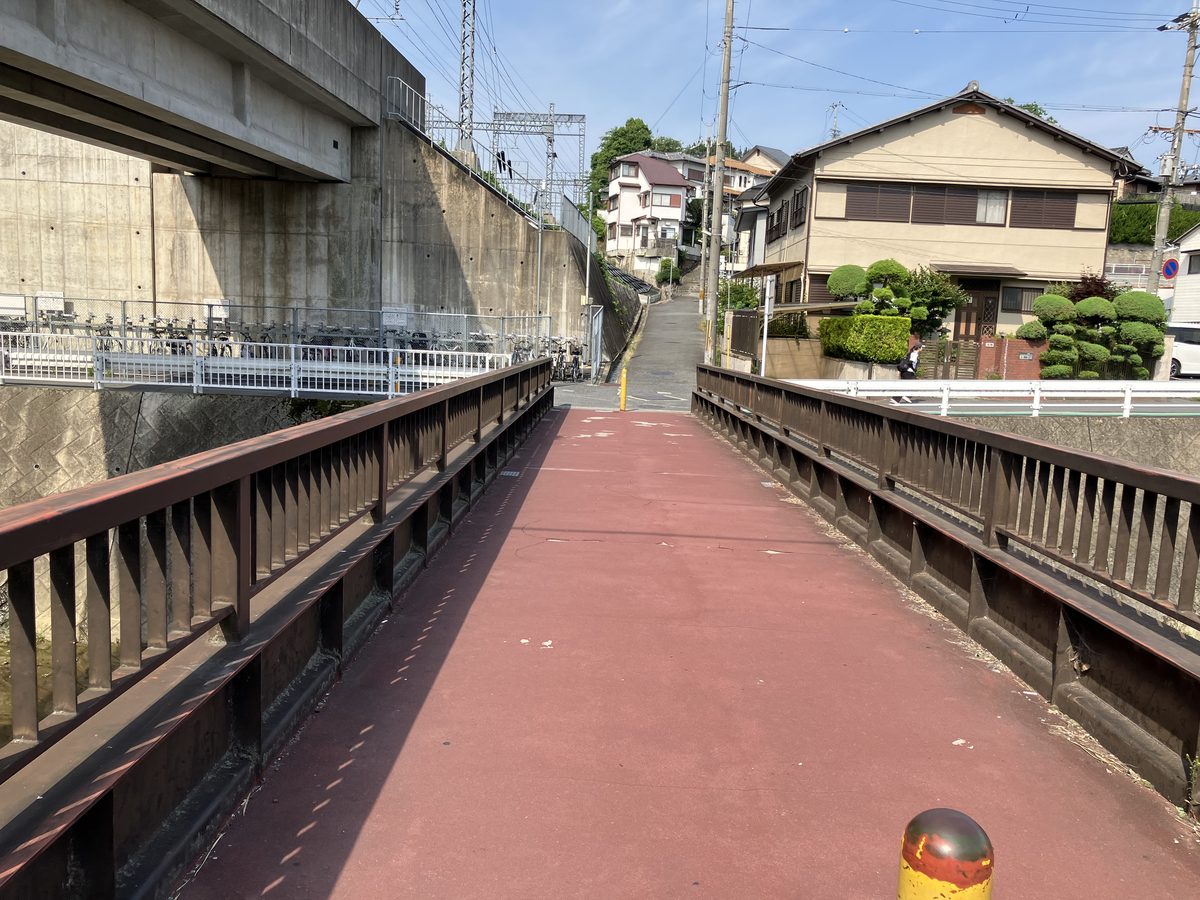
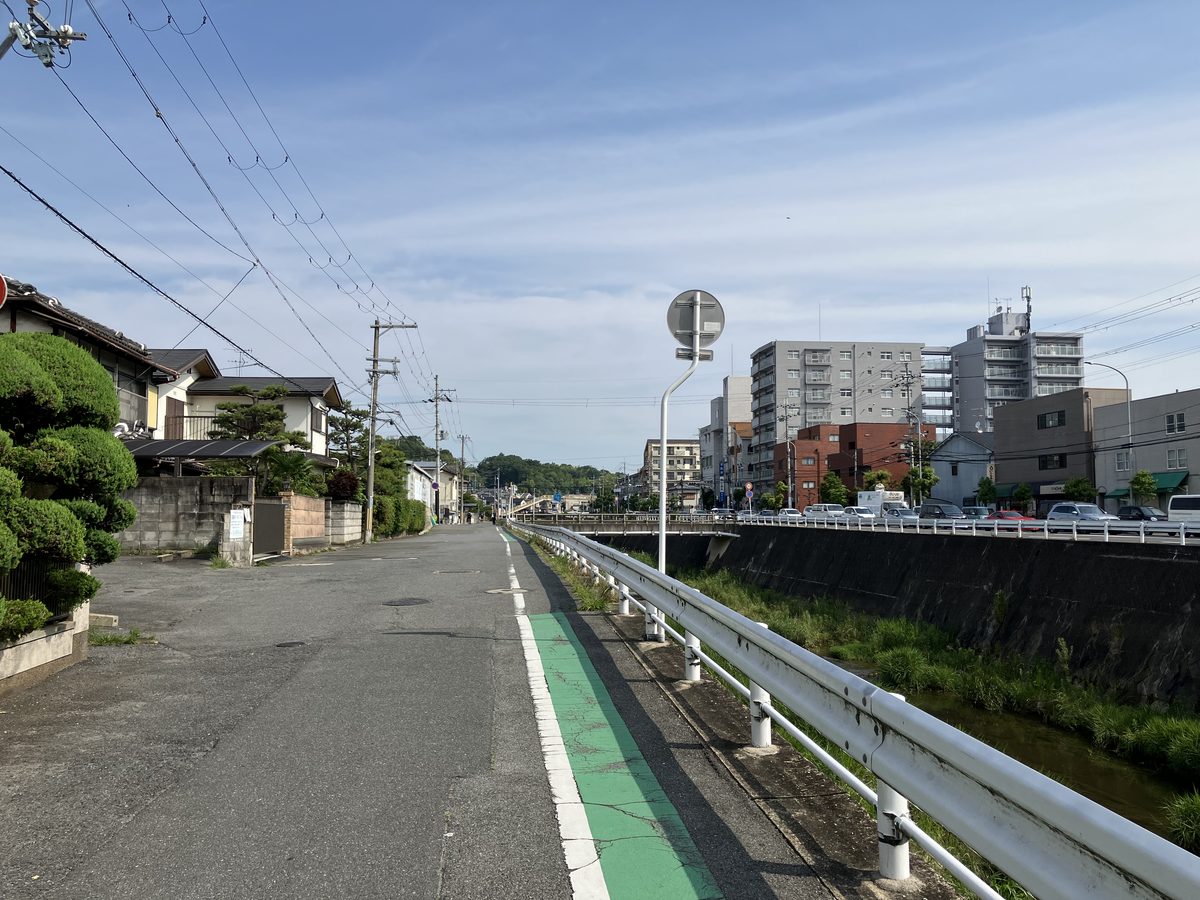
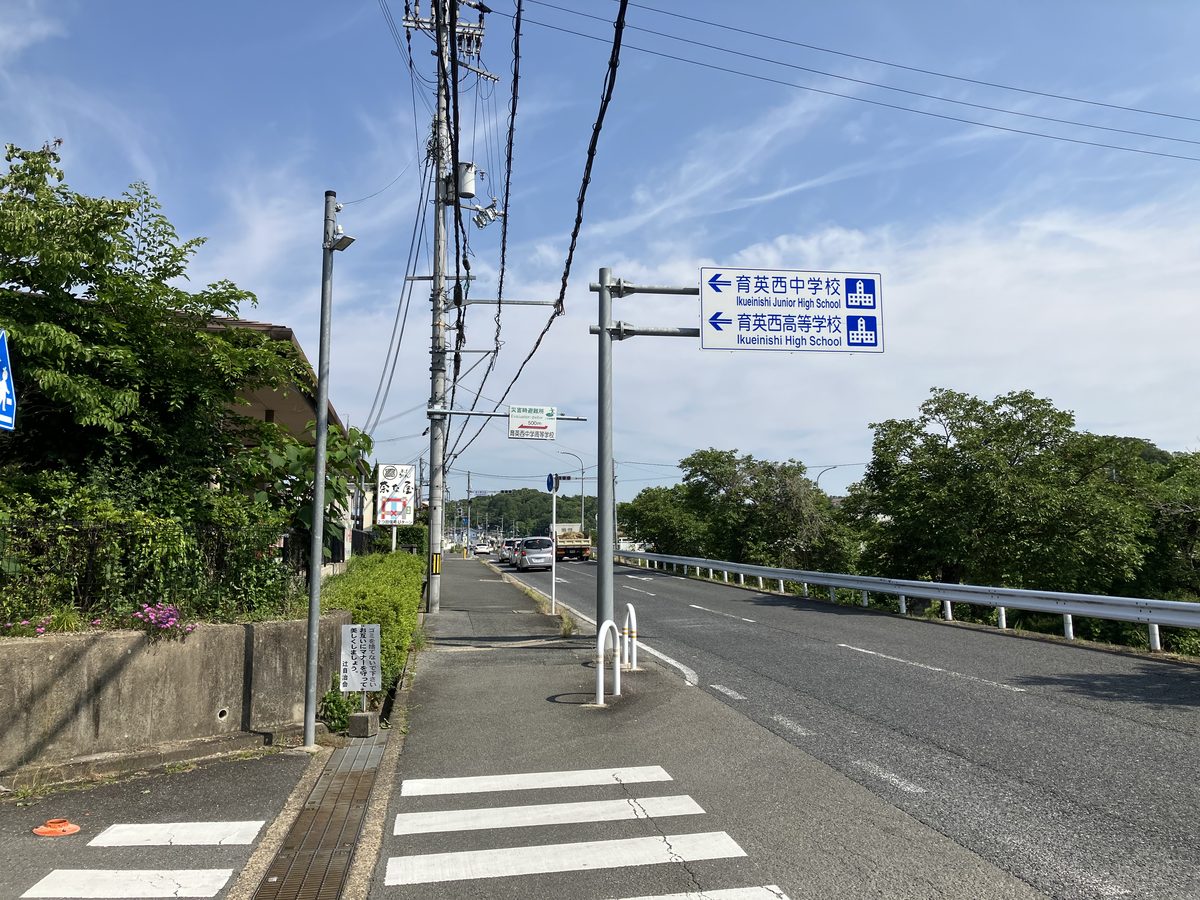
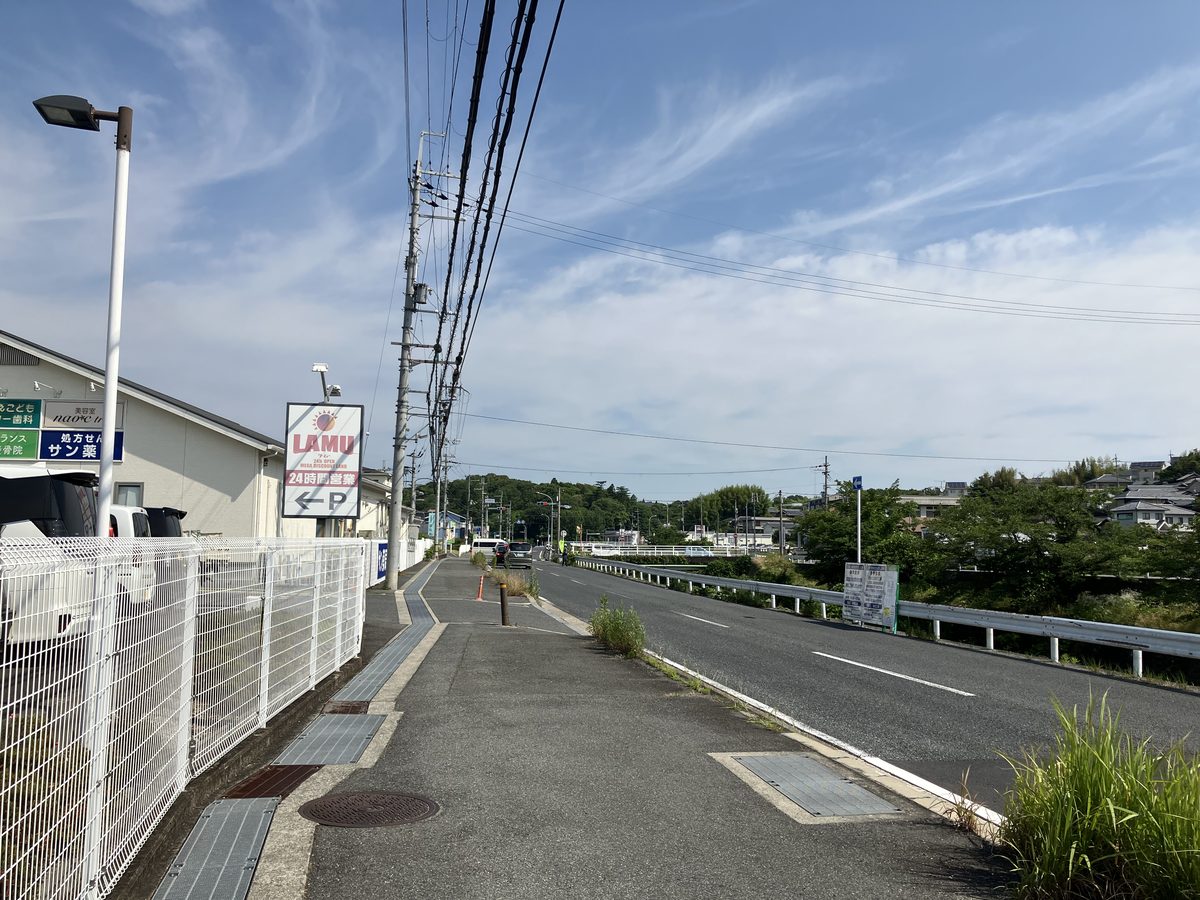
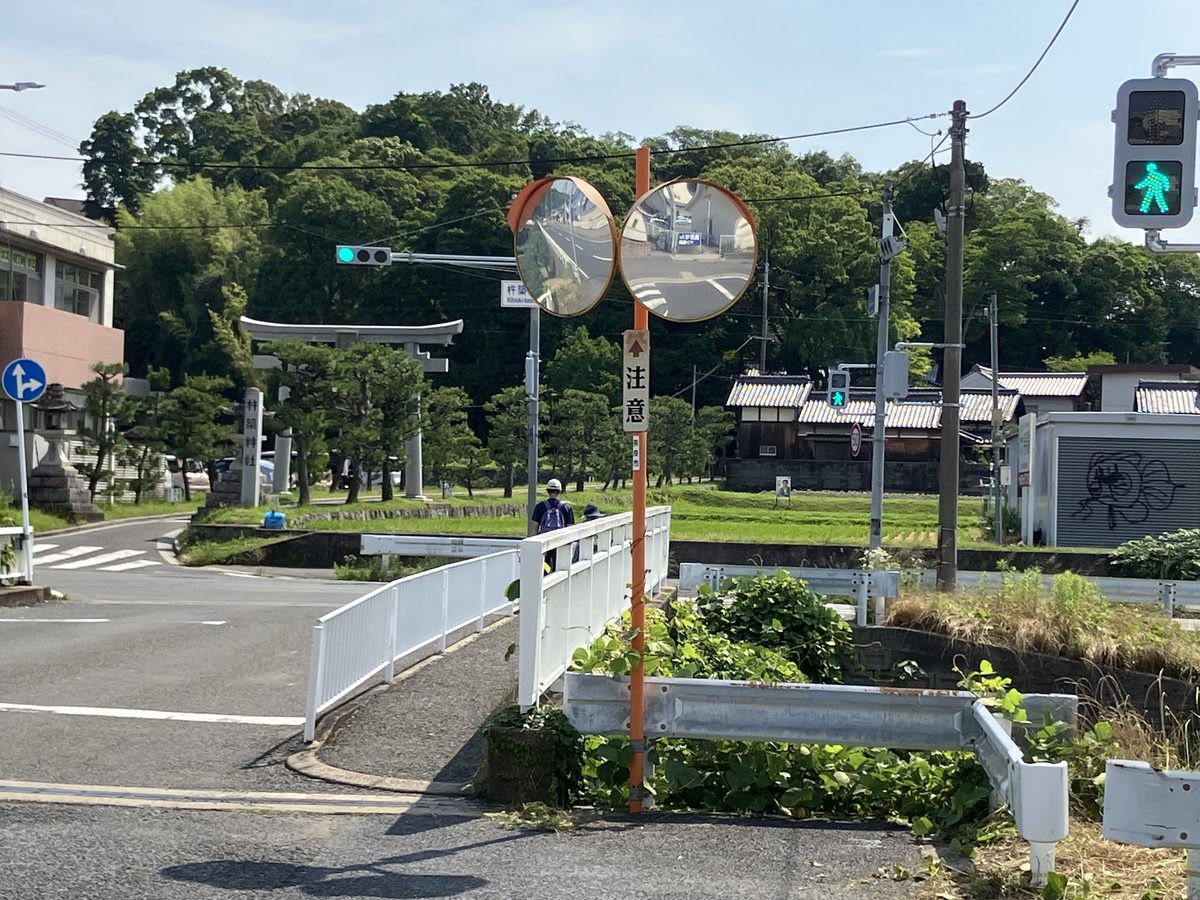
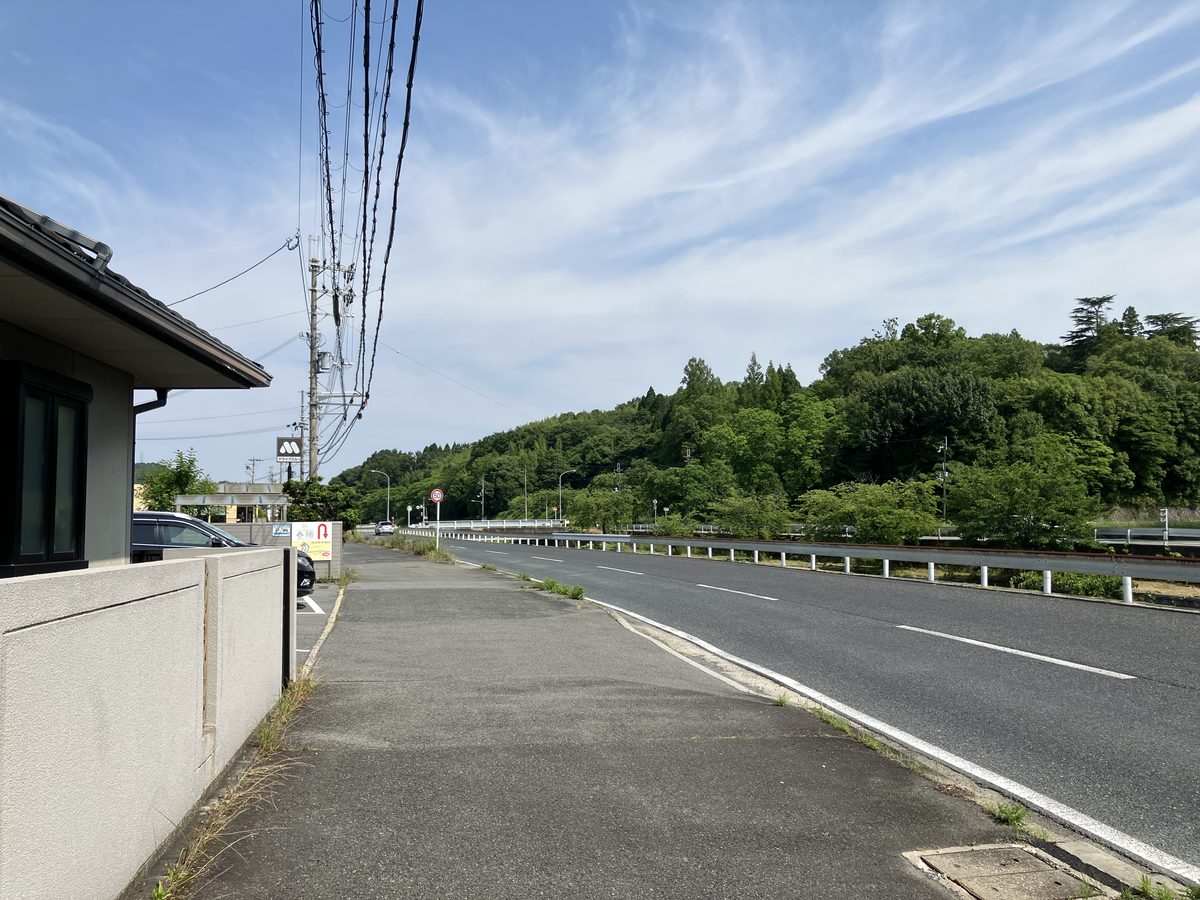
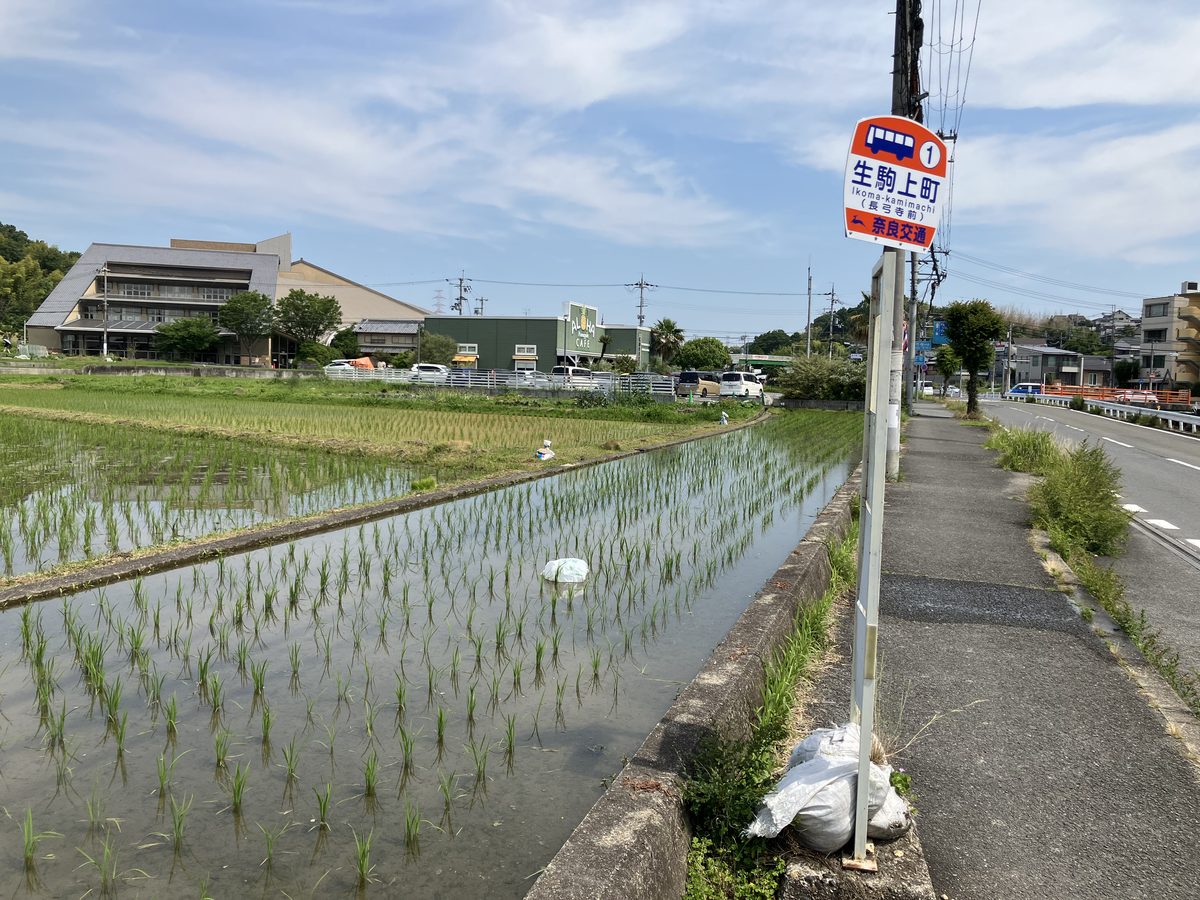
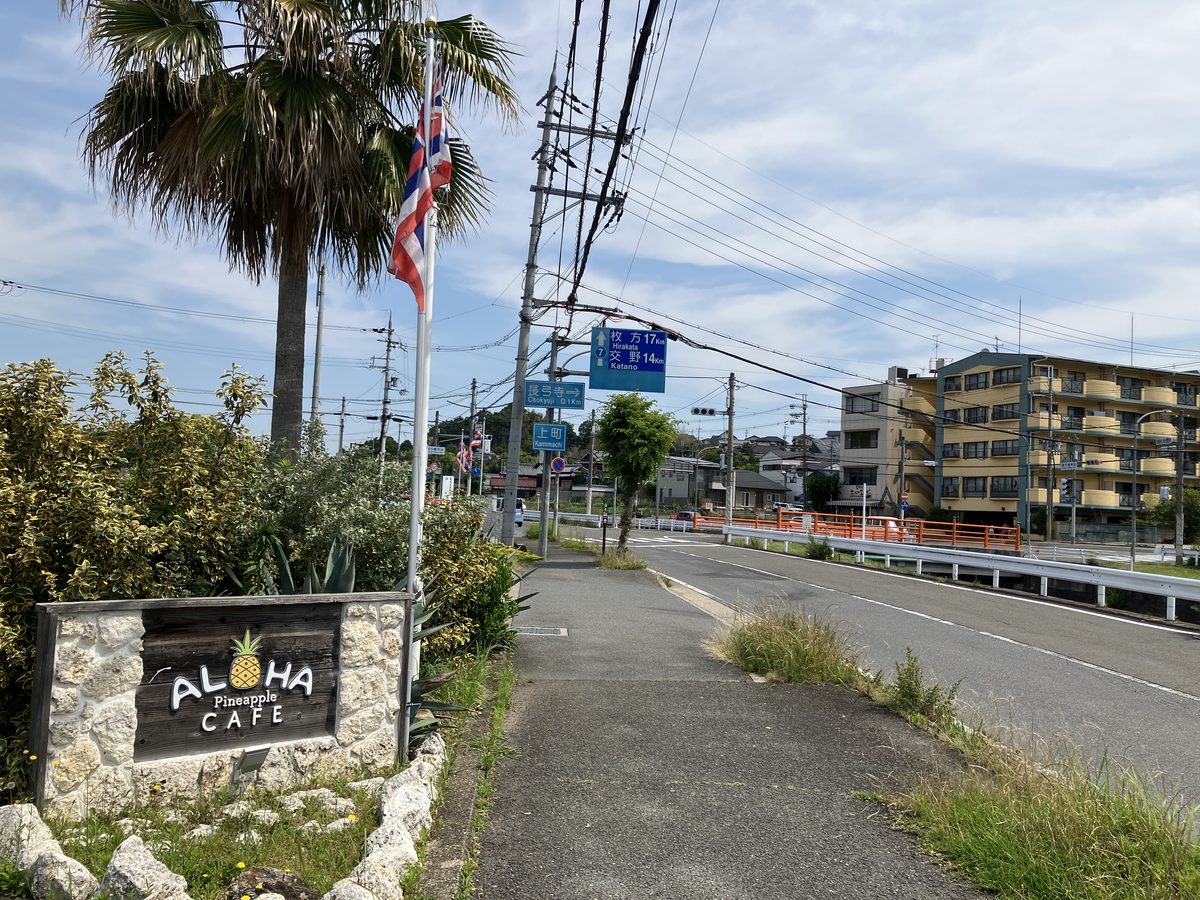
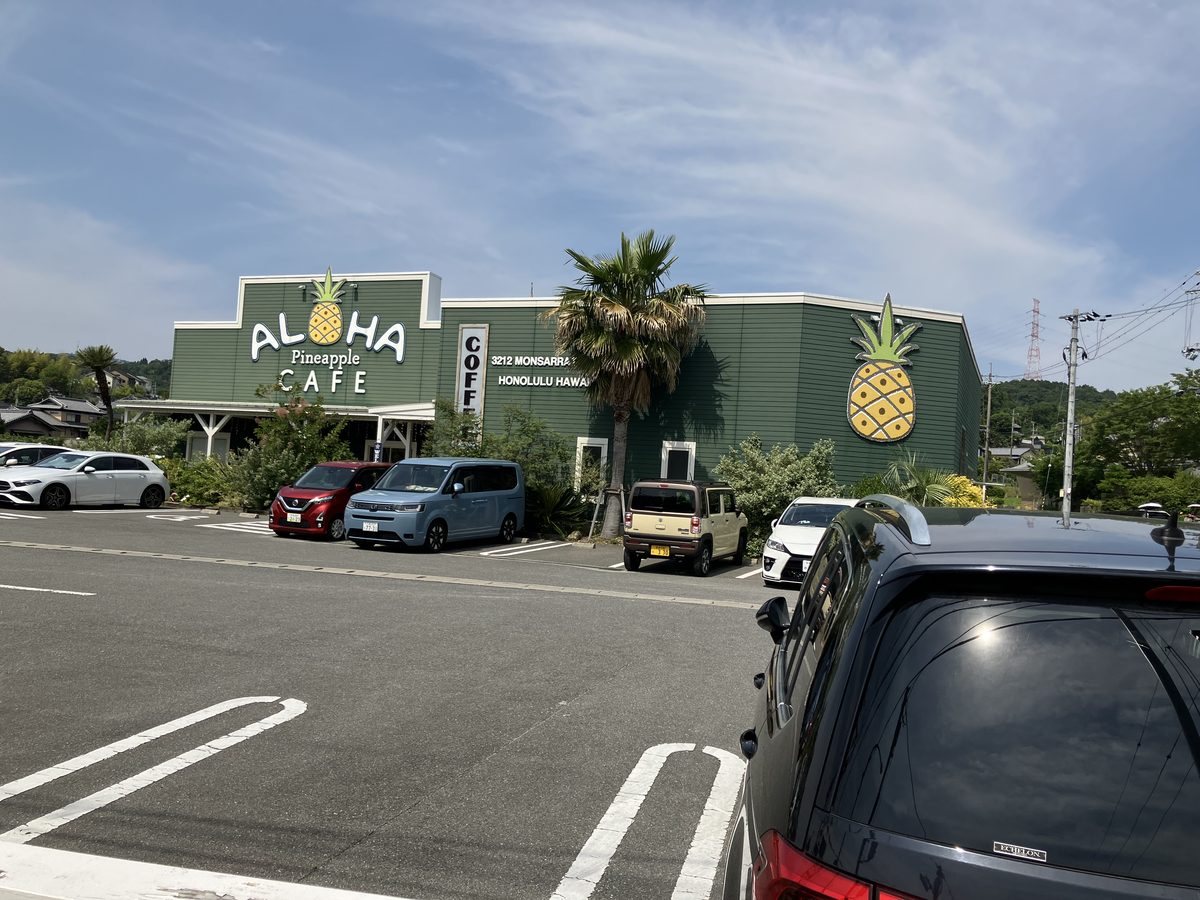
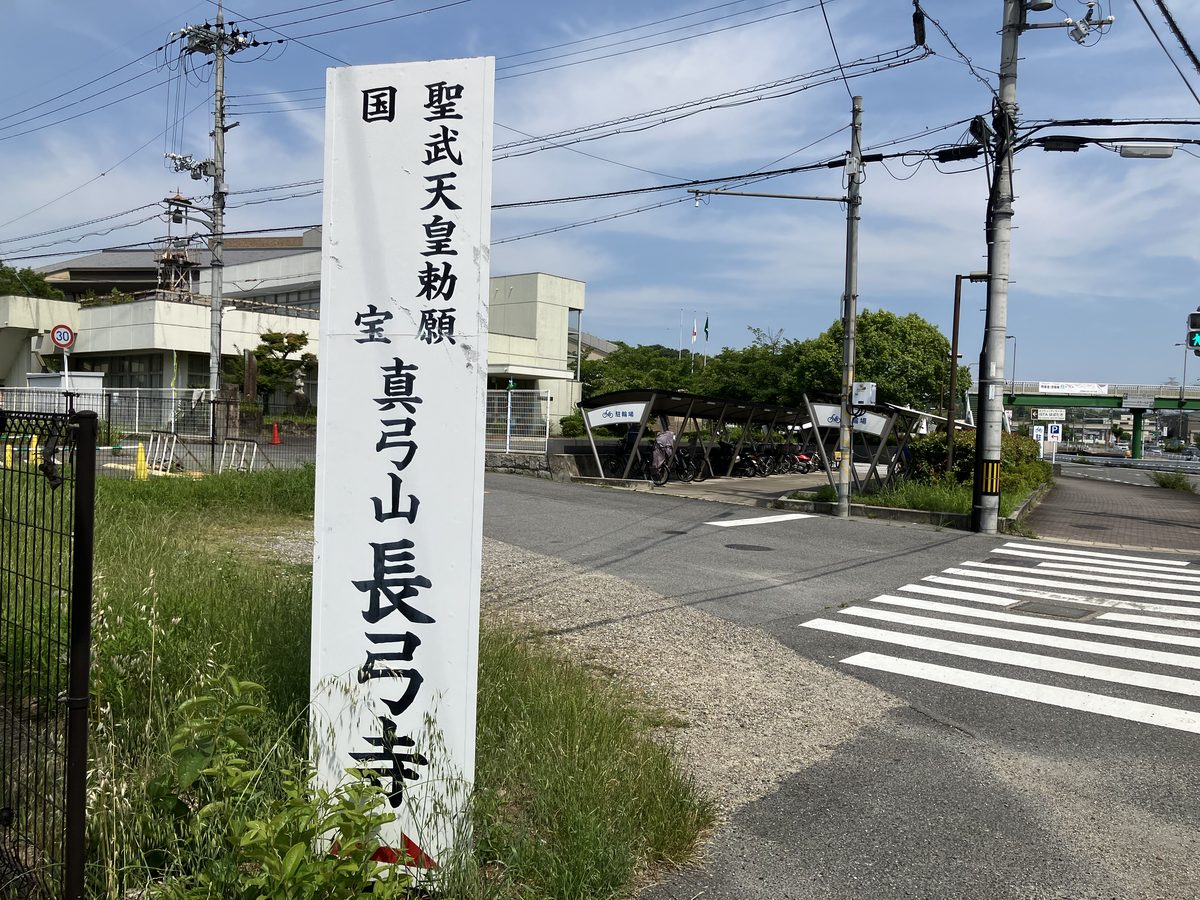
Other Ways to Get There — By Train and Bus
- Train: About 17 minutes on foot from Gakken-Kita-Ikoma Station, or about 18 minutes from Shiraniwadai Station, on the Kintetsu Keihanna Line (according to the temple). To get to the Keihanna Line, change trains at Ikoma Station on the Kintetsu Nara Line.
- Bus (from Tomio Station): Take a Nara Kotsu bus from Stop No. 2 at the East Exit of Tomio Station on the Kintetsu Nara Line, get off at "Ikoma-Kamimachi," and walk about 5 minutes (according to the temple). Buses run about once an hour.
- Bus (from Gakuen-mae Station): From Stop No. 6 at the North Exit of Gakuen-mae Station on the Kintetsu Nara Line, take a bus bound for Gakken-Kita-Ikoma, get off at "Mayumi 4-chome," and walk about 5 minutes (according to the temple).
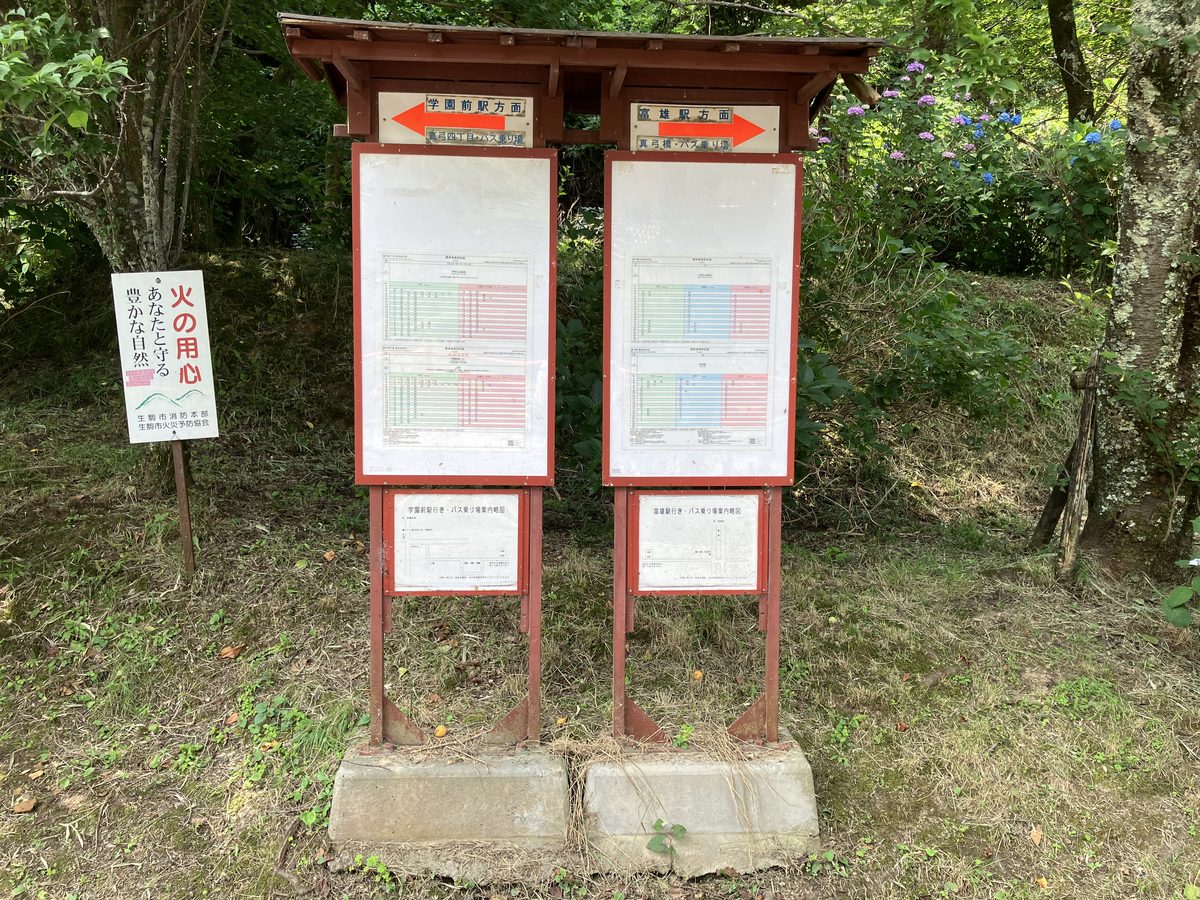
Bus timetables for the nearby stops are posted in the grounds (see Walking the Grounds), so if you plan to take a bus back, you can check the times there too. Before you go, please check the latest timetable on the Nara Kotsu website.
Walking the Grounds — From the Hydrangea Path to the National Treasure Hall
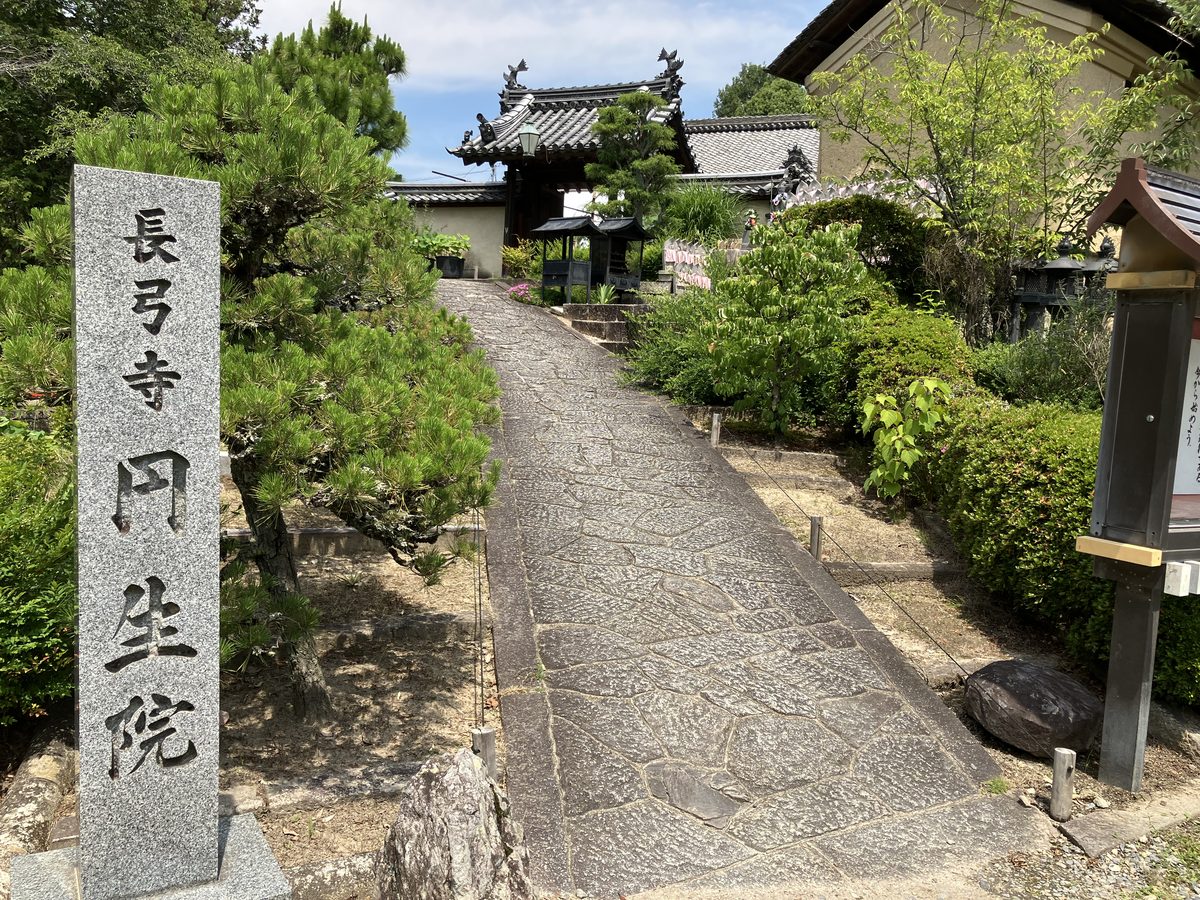
Once you pass through the torii gate, you are in the grounds of Chokyuji. You can walk around the grounds freely, and there is no entrance fee. The grounds are large and have some ups and downs, so comfortable shoes are a good idea.
Through the Torii Gate — First, the Hydrangeas on the Right
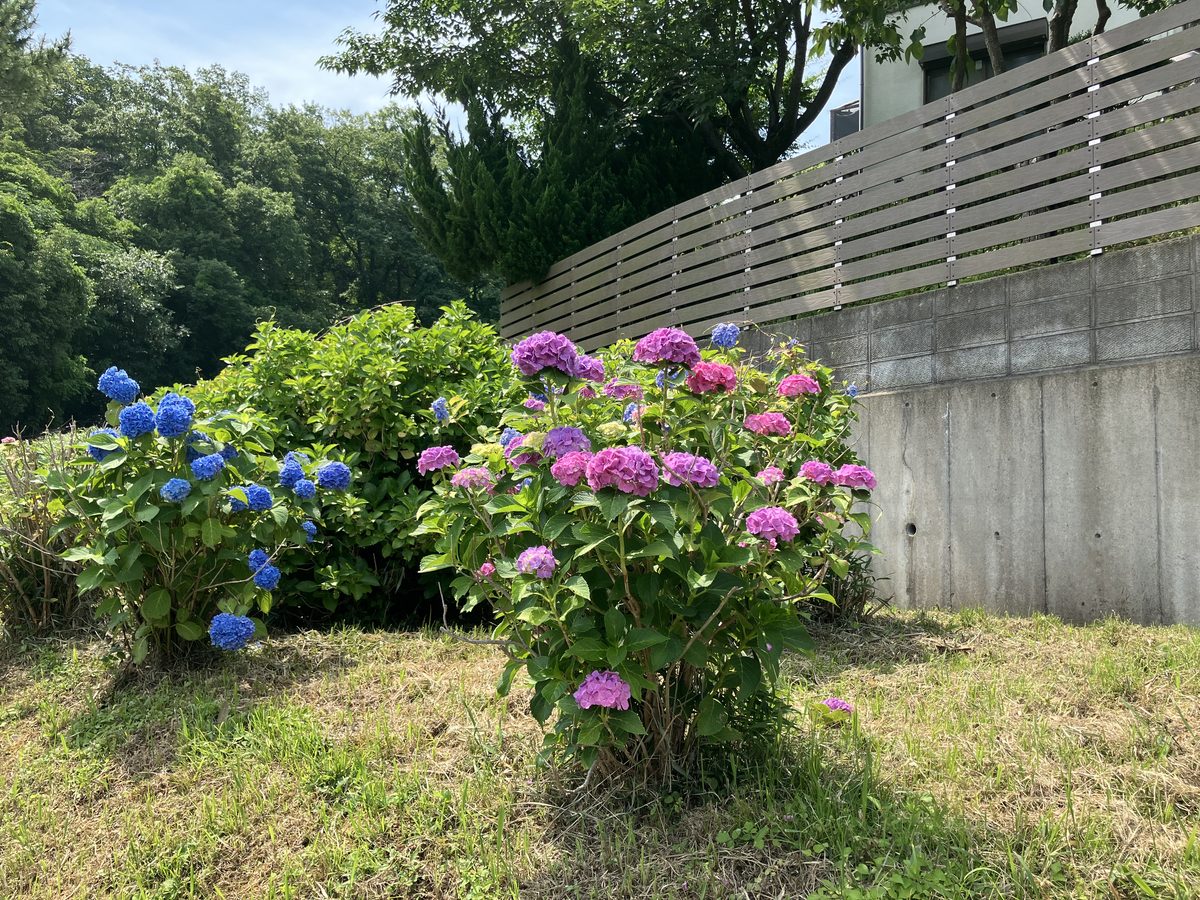
Just past the torii gate, hydrangeas in many colors bloom on your right. I always stop here first and take photos.
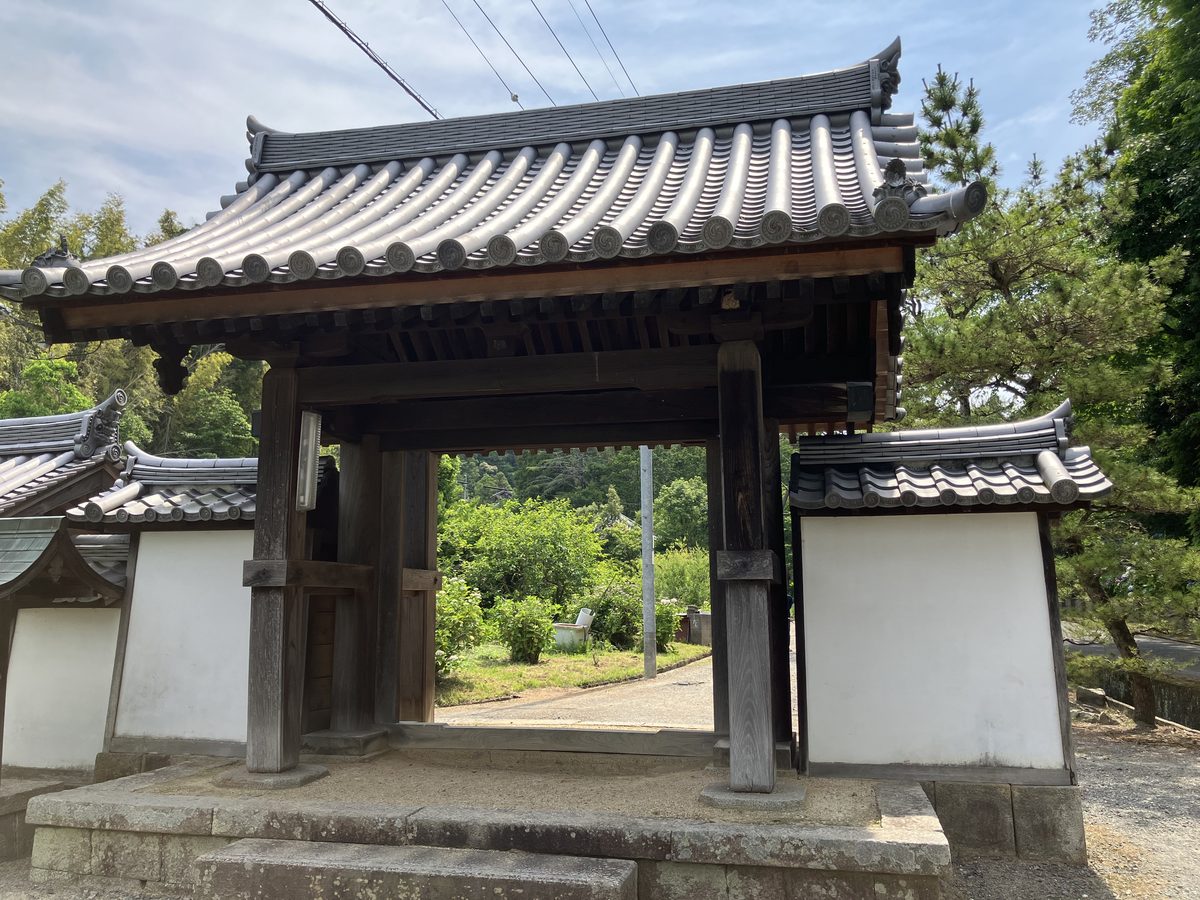
At the temple gate, you can walk through it, pass beside it, or use the side door. Choose whichever way you like.
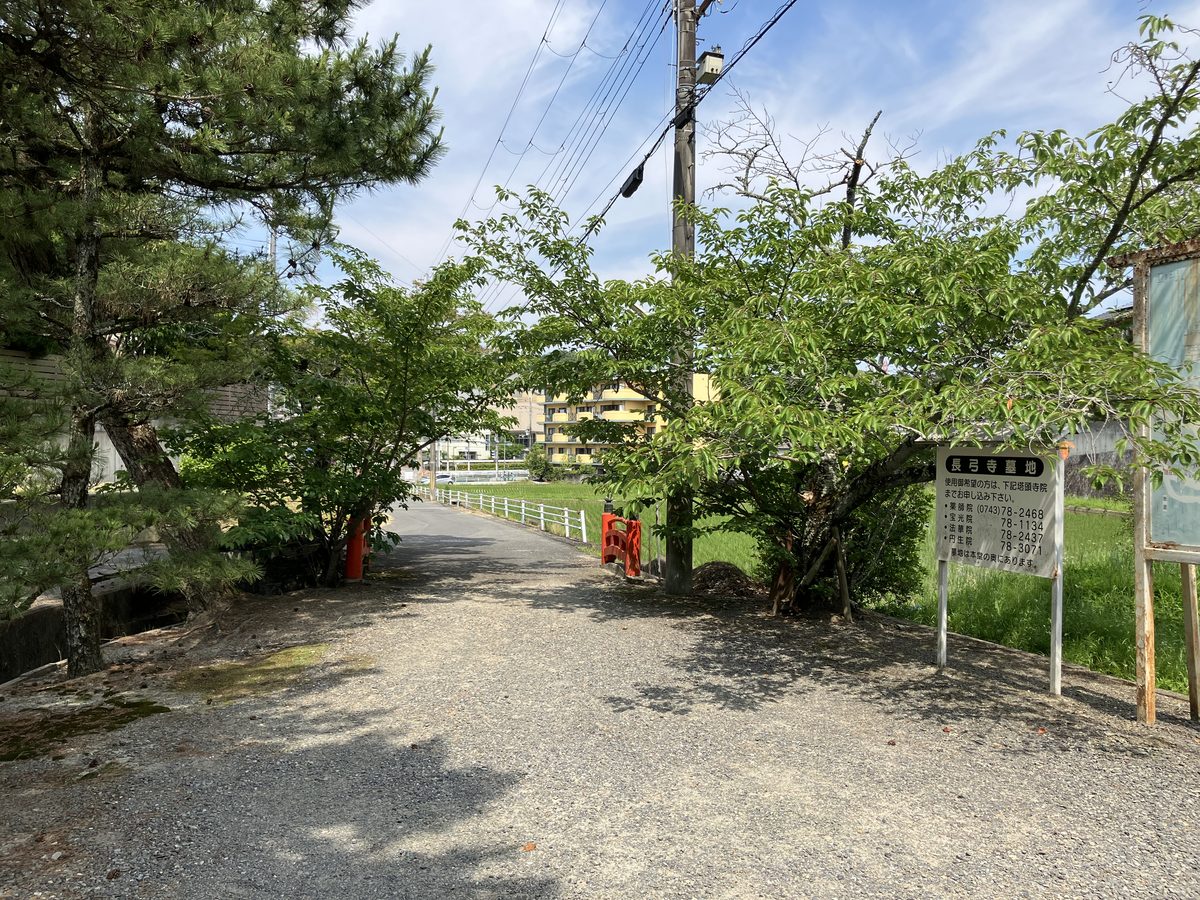
If you look back at the way you came, the green trees seem to mark the boundary with the outside world.
A Path of Colorful Hydrangeas
As you walk on through the grounds, hydrangeas in blue, purple, pink, and white keep appearing. My way of enjoying them is to walk slowly, getting close to each one and taking photos.
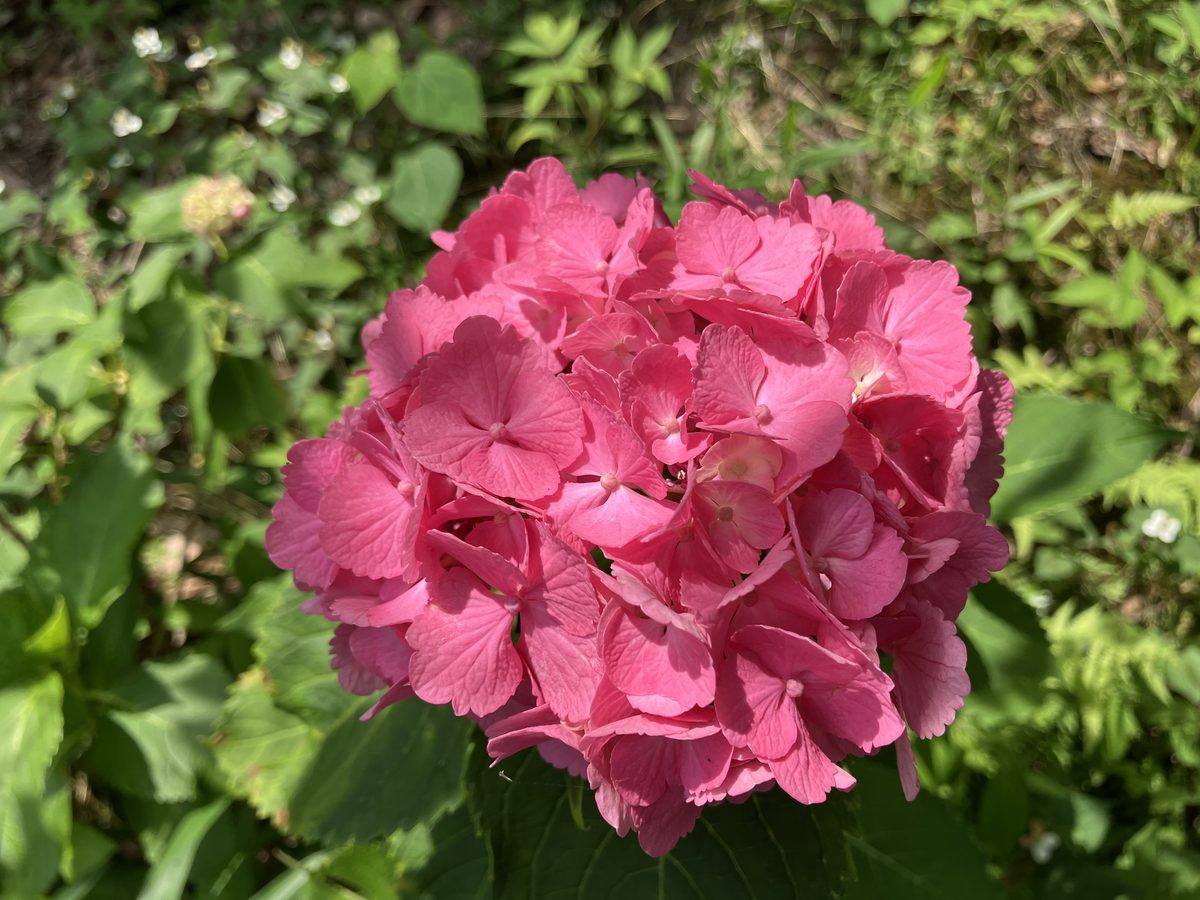
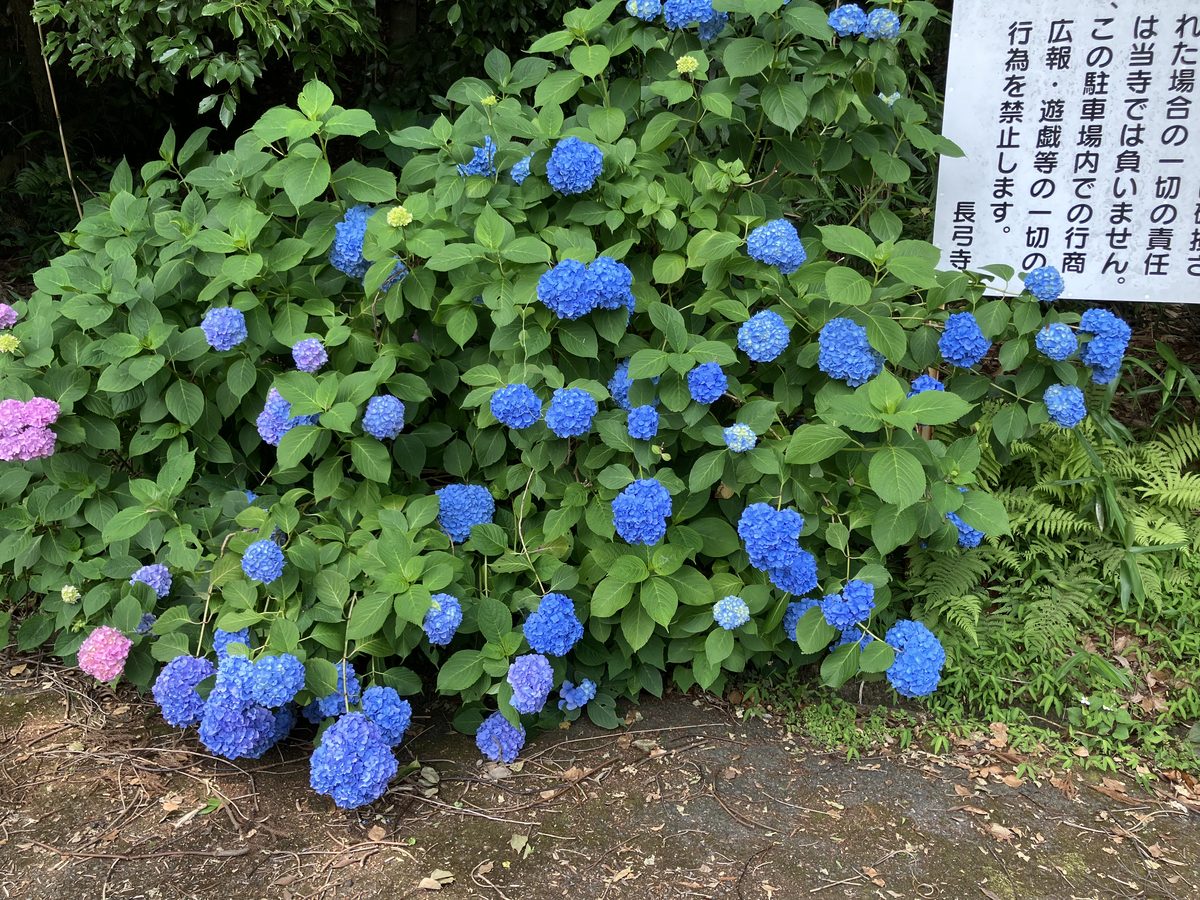
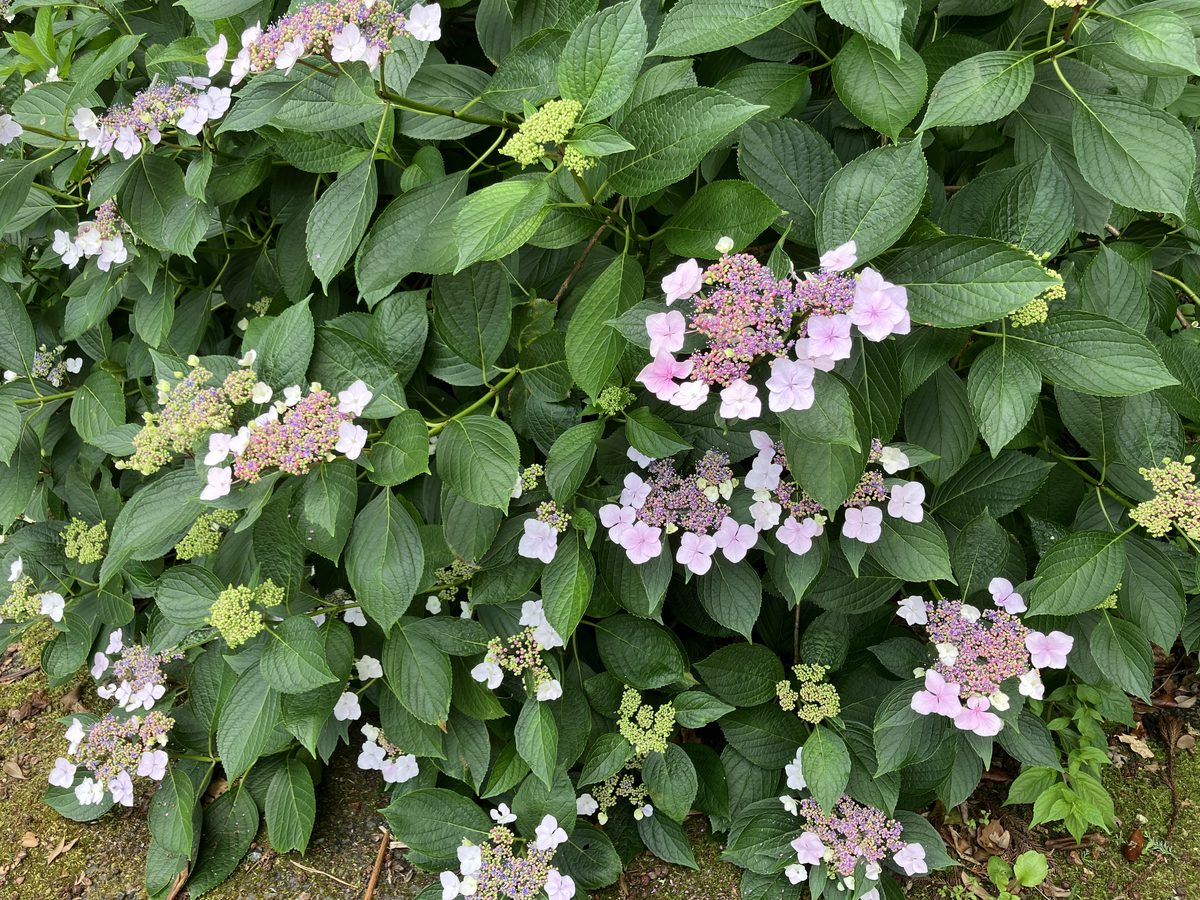
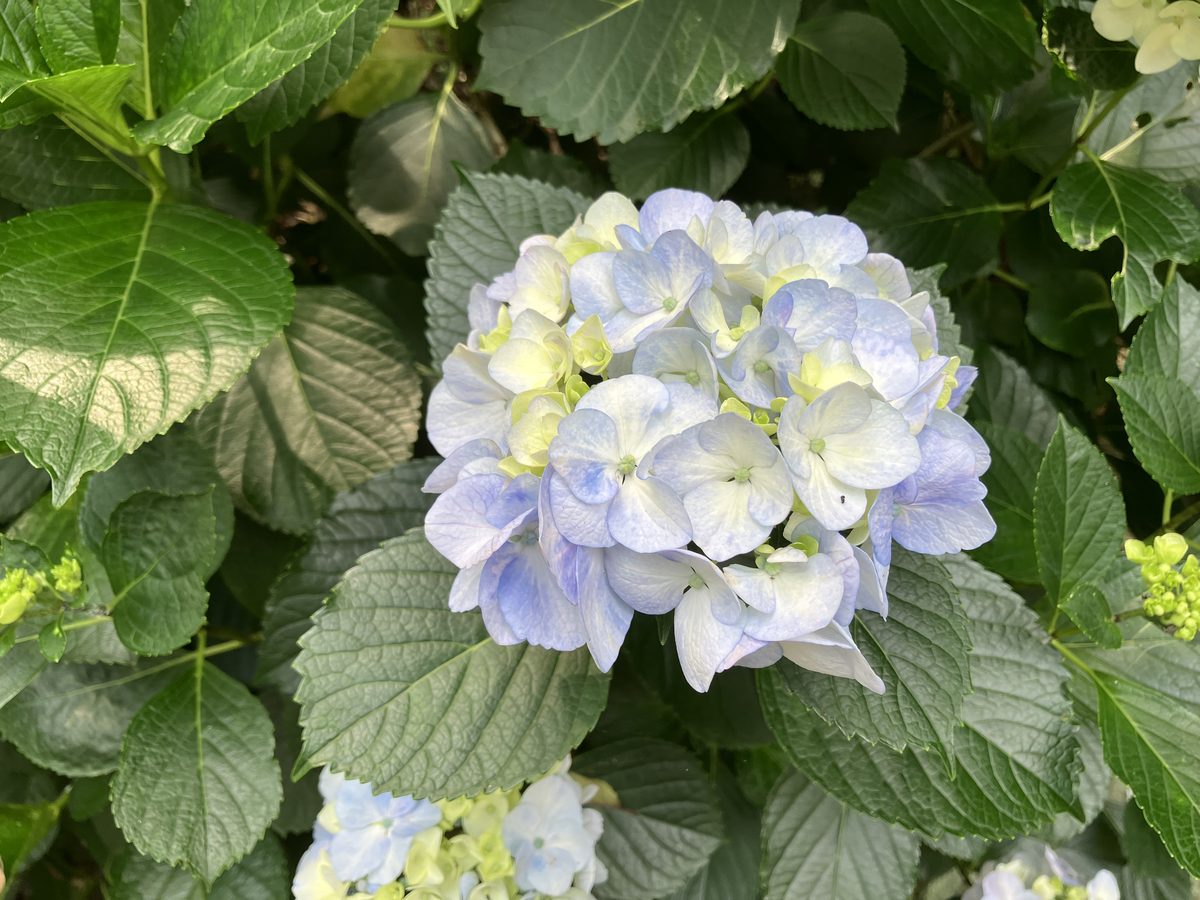
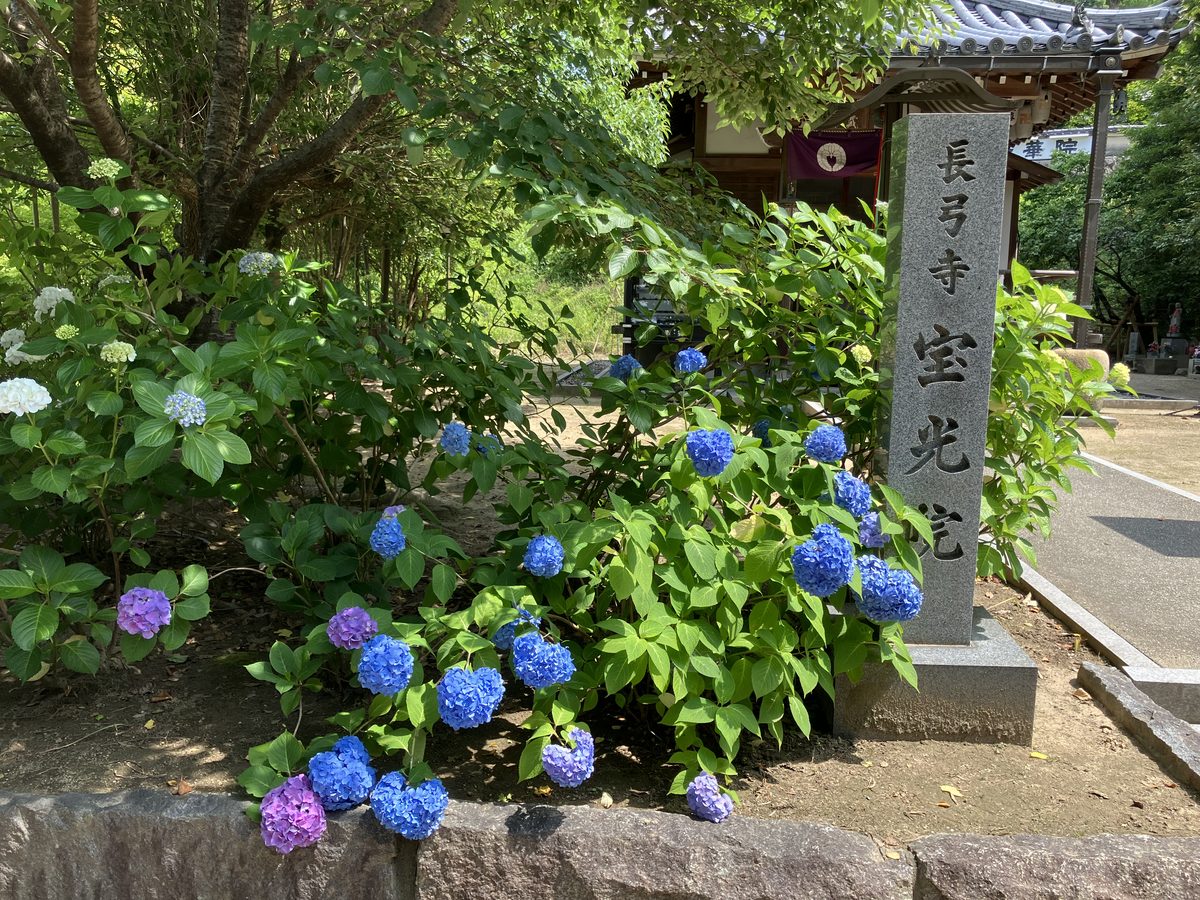
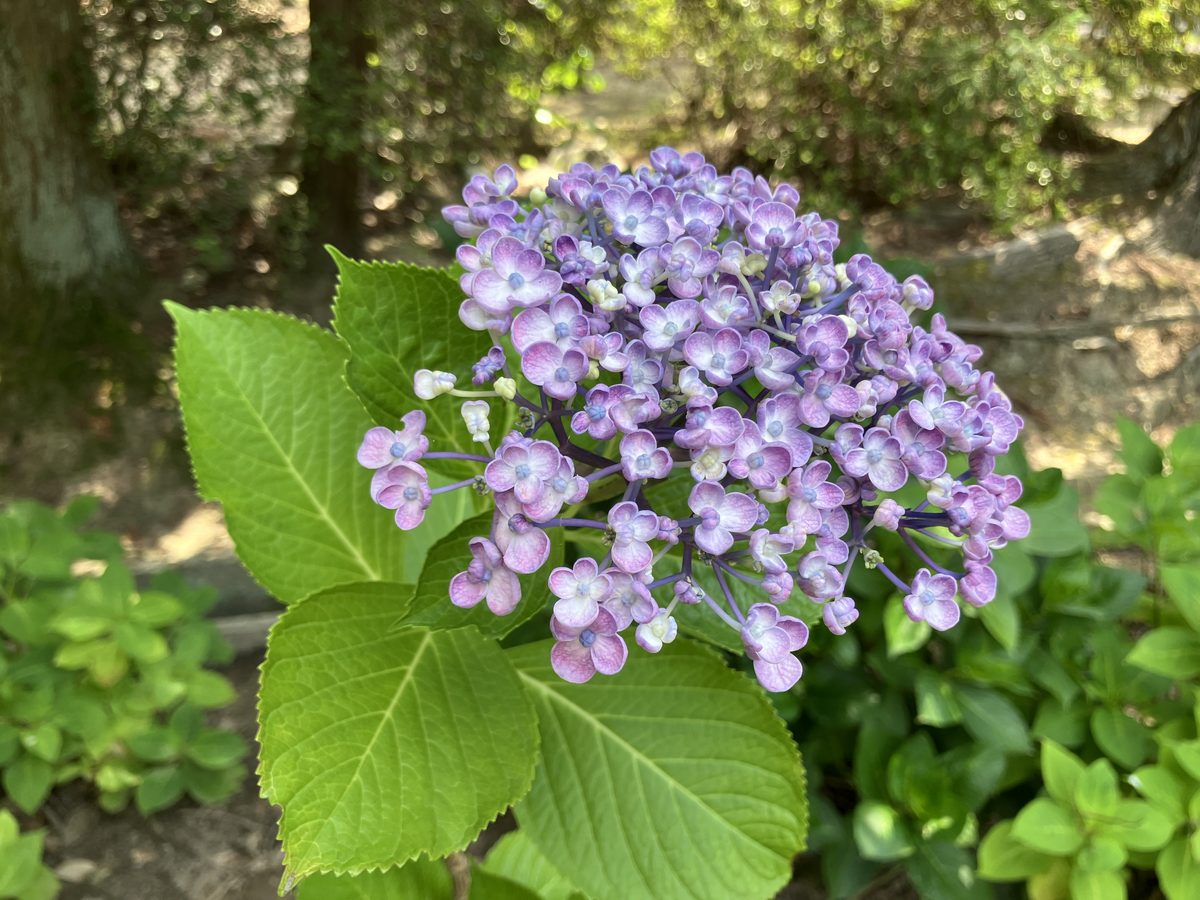
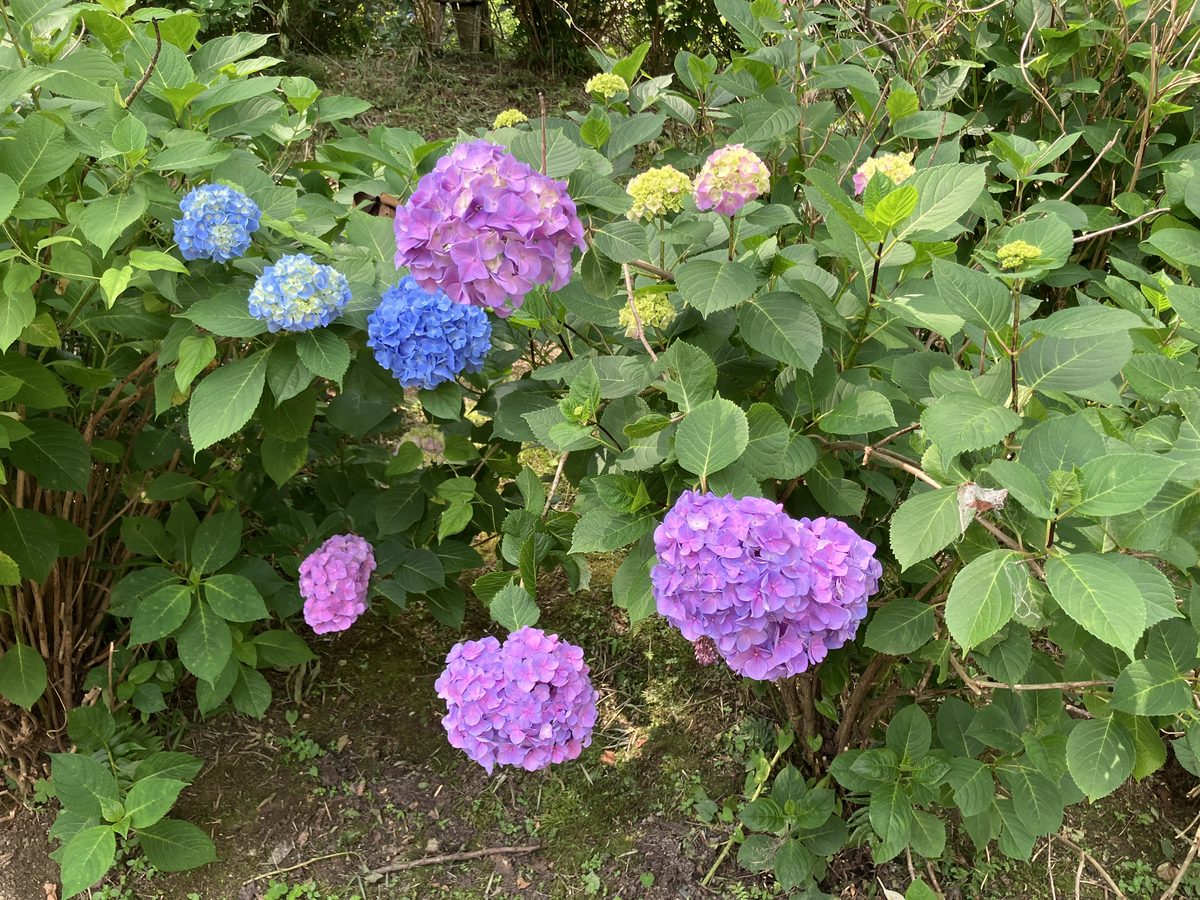
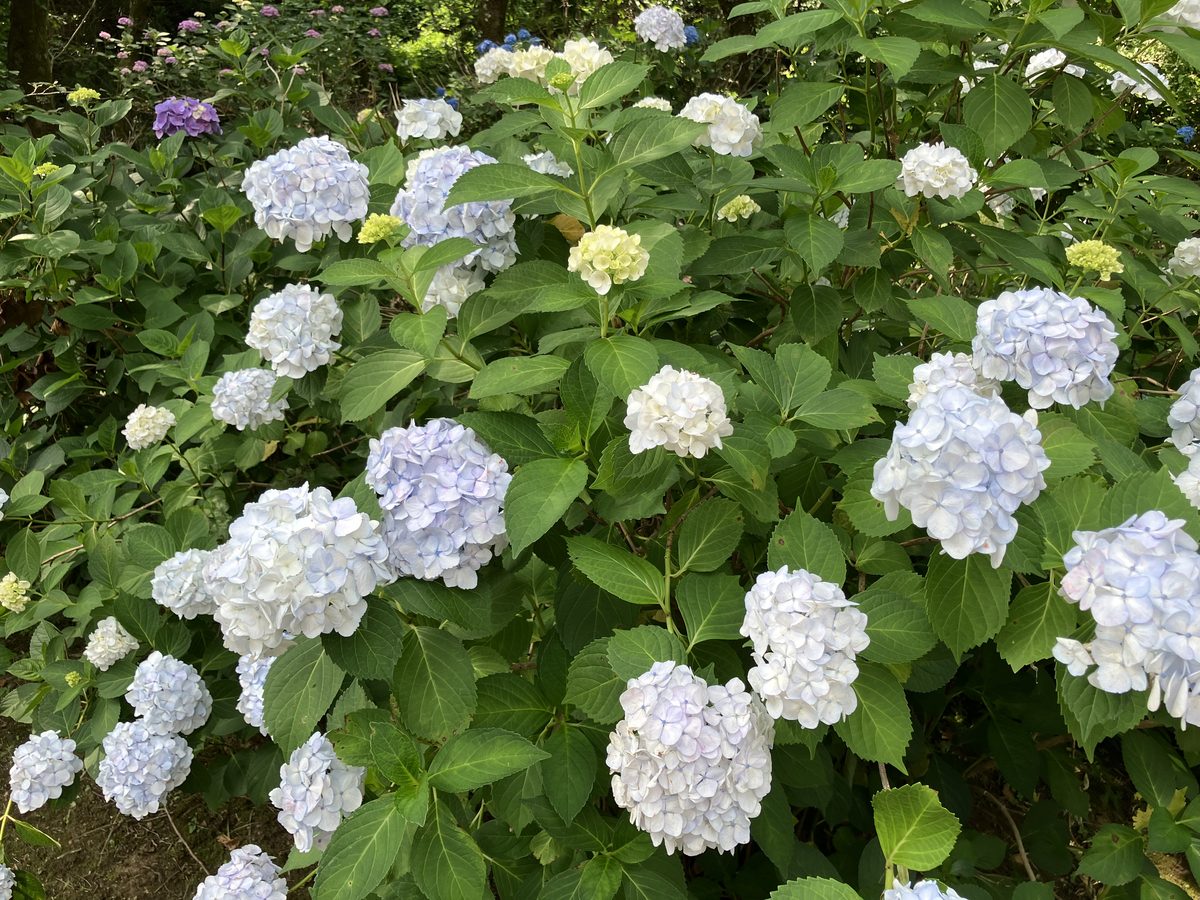
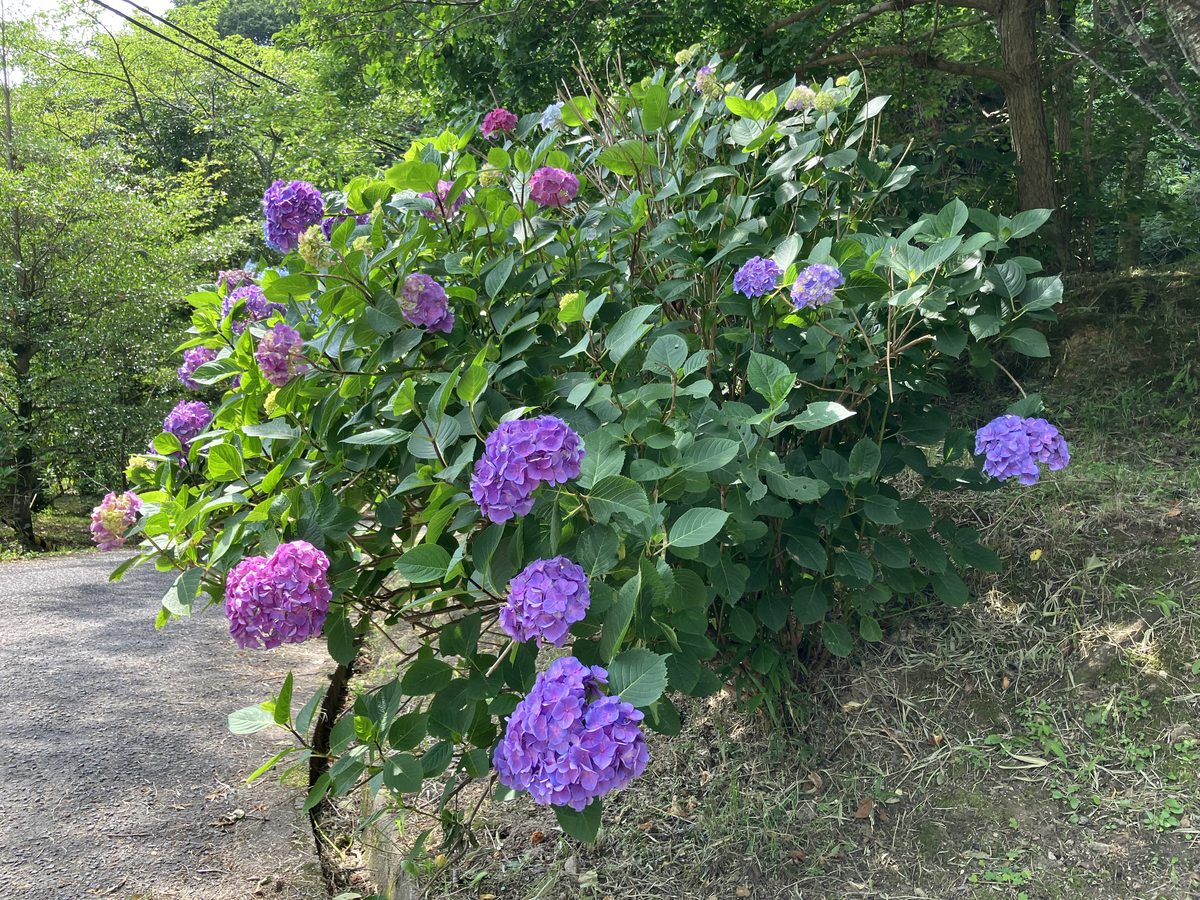
The hydrangeas of Chokyuji also appear, with a photo I took here, in Episode 035 of TWM's BGM series "Sounds of the Journey."
A Bus Timetable in the Temple Grounds
As you walk through the grounds, you will notice bus timetables posted for the nearby stops: "Mayumi-bashi" for buses toward Tomio Station, and "Mayumi 4-chome" for buses toward Gakuen-mae Station. Little things like this remind me that this temple is part of local everyday life.
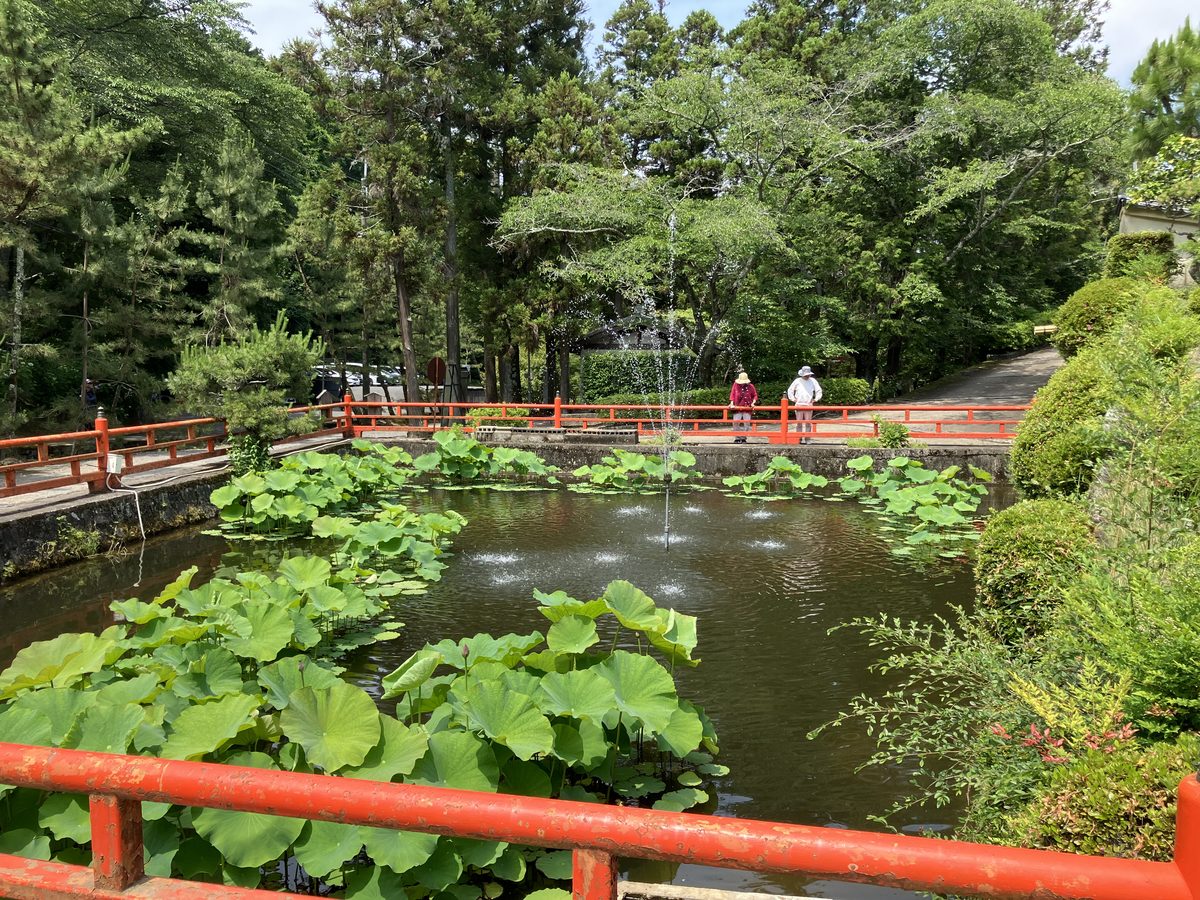
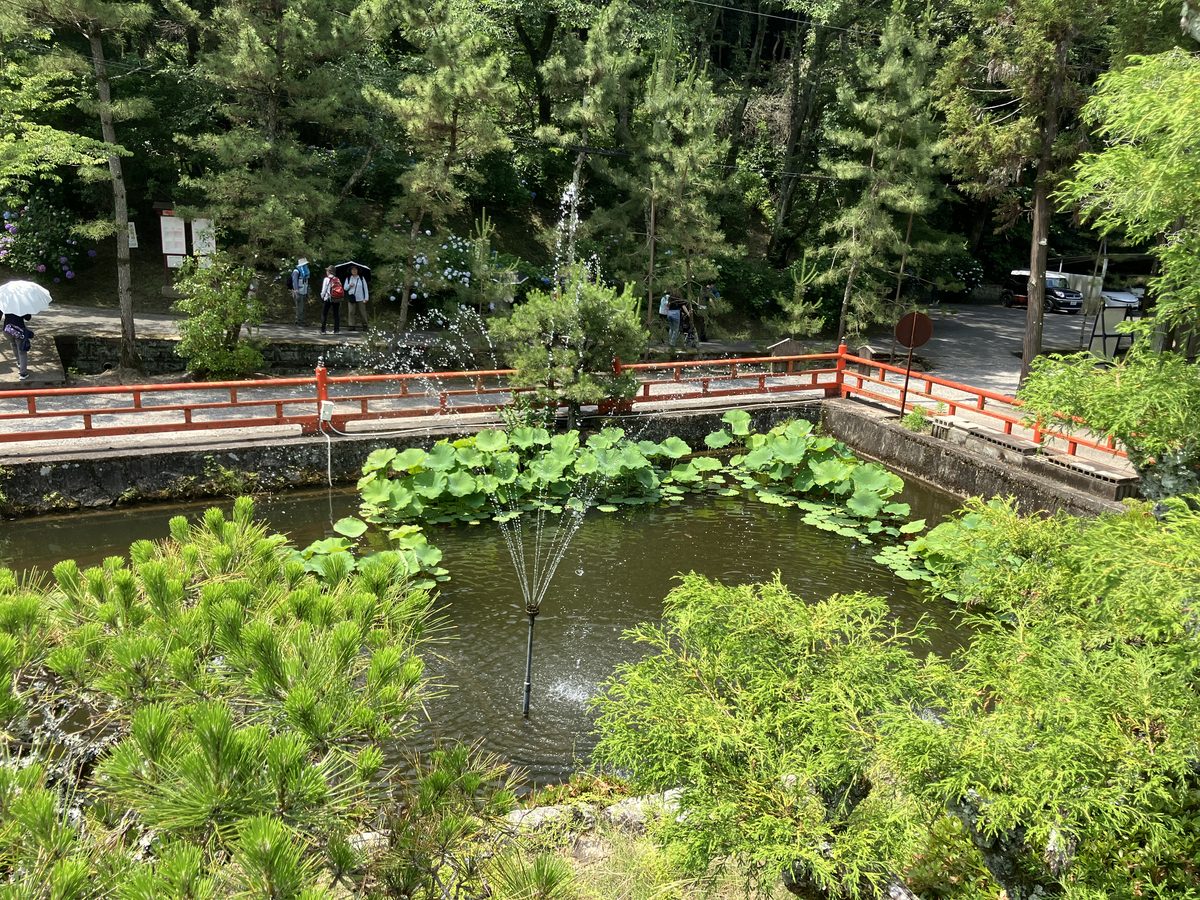
The Lotus Pond and Ensho-in (Unique Calligraphy and Wind Chimes)
The grounds also have a lotus pond surrounded by vermilion railings. In summer, lotus flowers bloom here. You can also look down on the pond from a small hill.
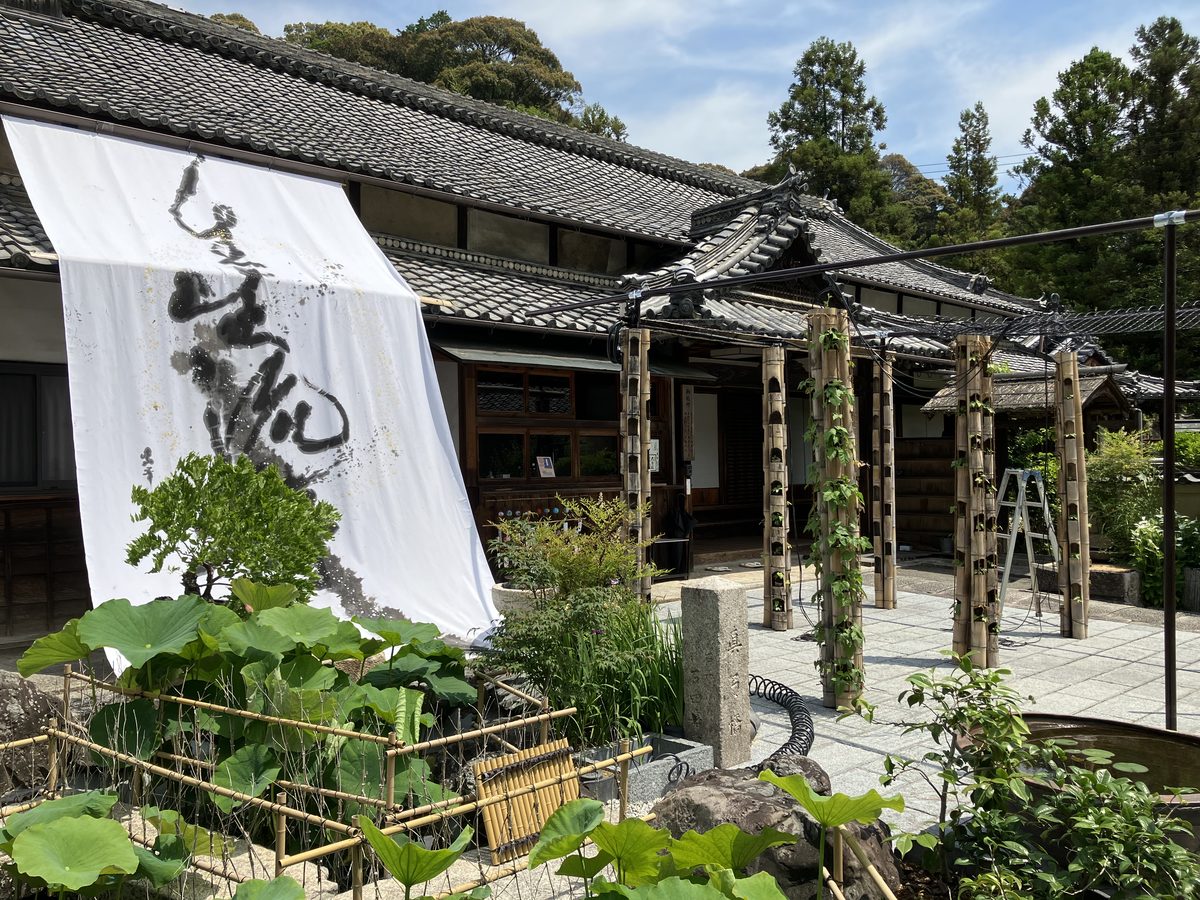
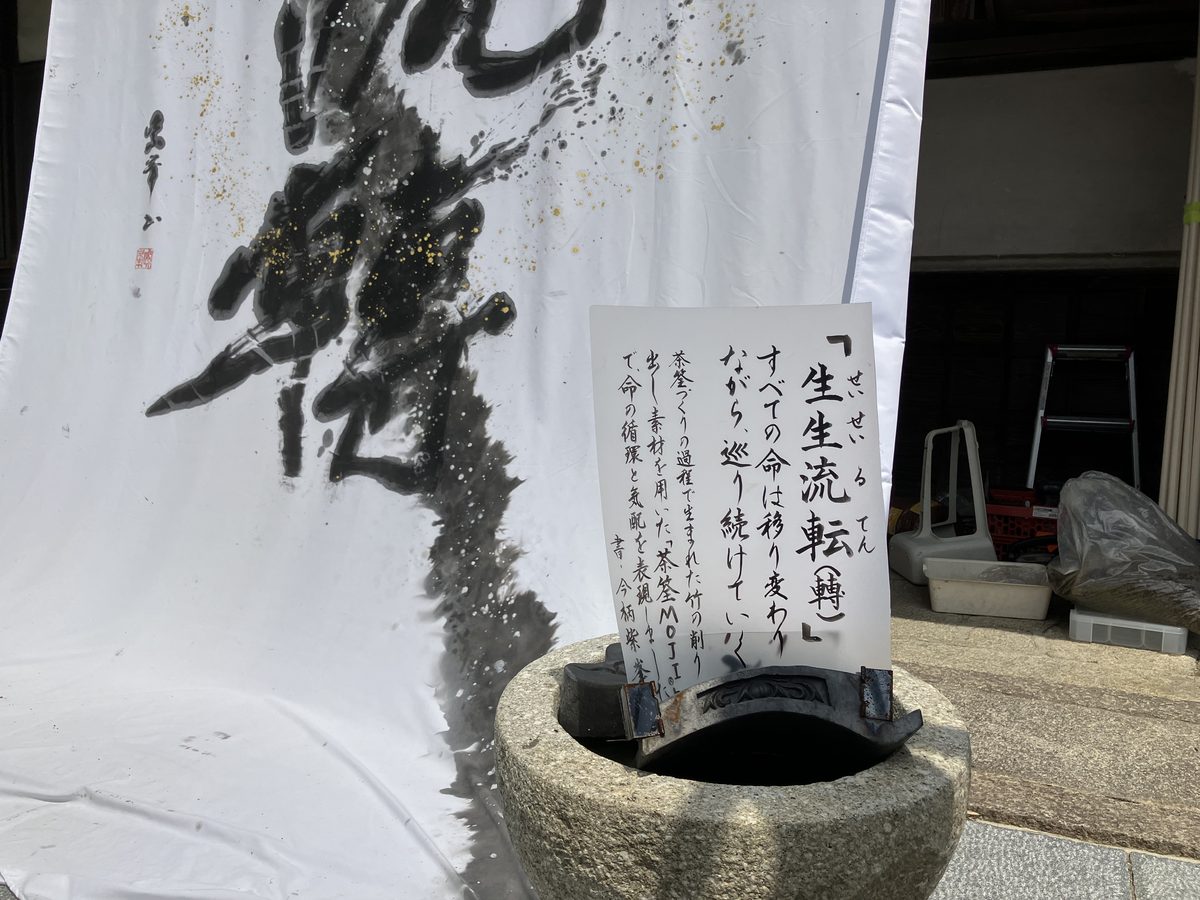
At Ensho-in, on the day I visited, a unique piece of calligraphy was displayed in front of the building: the words "Seisei Ruten" written on a large cloth. According to the note beside it, the phrase means "all life keeps changing as it goes on circulating," and it was written with "Chasen MOJI," using shavings of bamboo left over from making tea whisks. The Takayama area of Ikoma City is known for producing tea whisks.
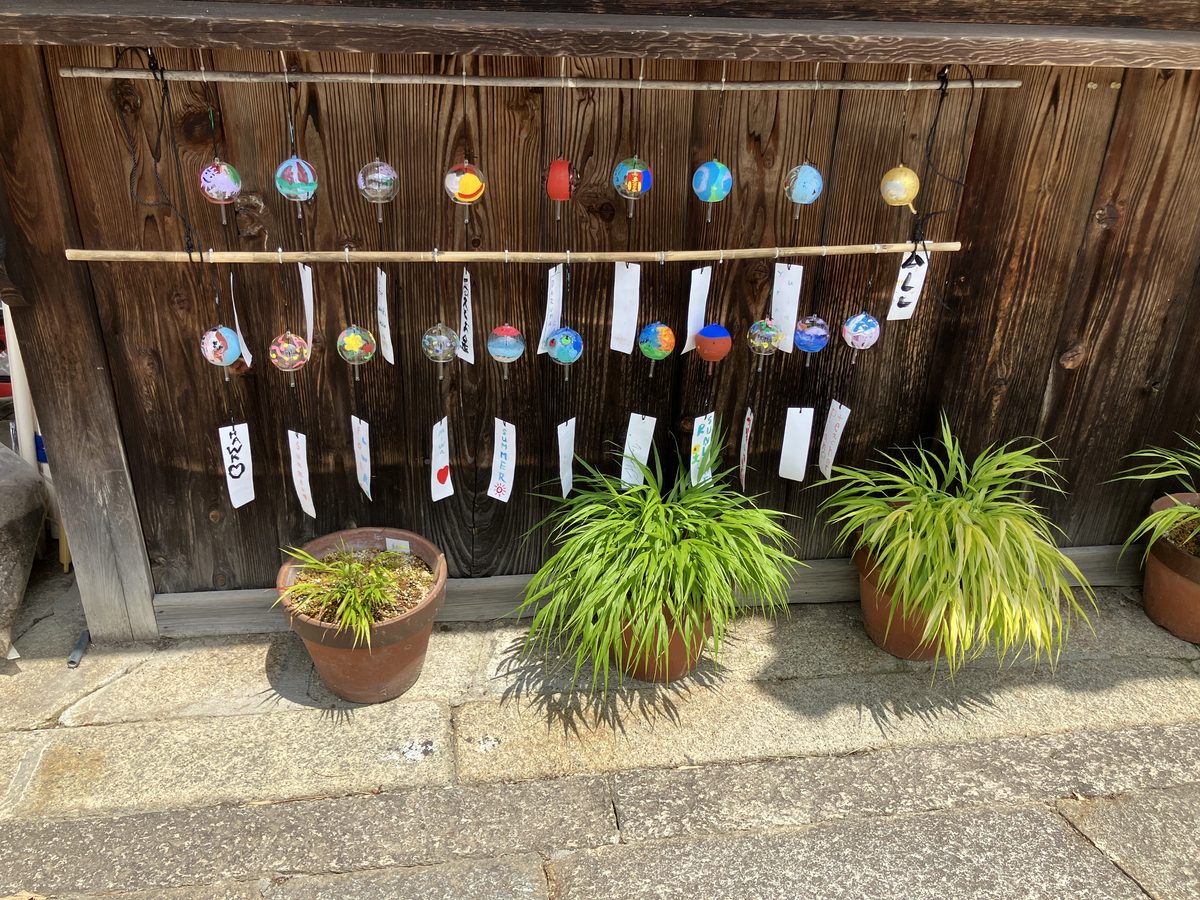
Colorful wind chimes were hanging on Ensho-in's wooden fence.
A Visit to Izanagi Shrine
I also pay my respects at Izanagi Shrine, the guardian of Chokyuji.
Up the Steps — The Bell Tower and the National Treasure Hall
After visiting the shrine, climb further up the steps. The bell tower and the National Treasure main hall are waiting at the top.
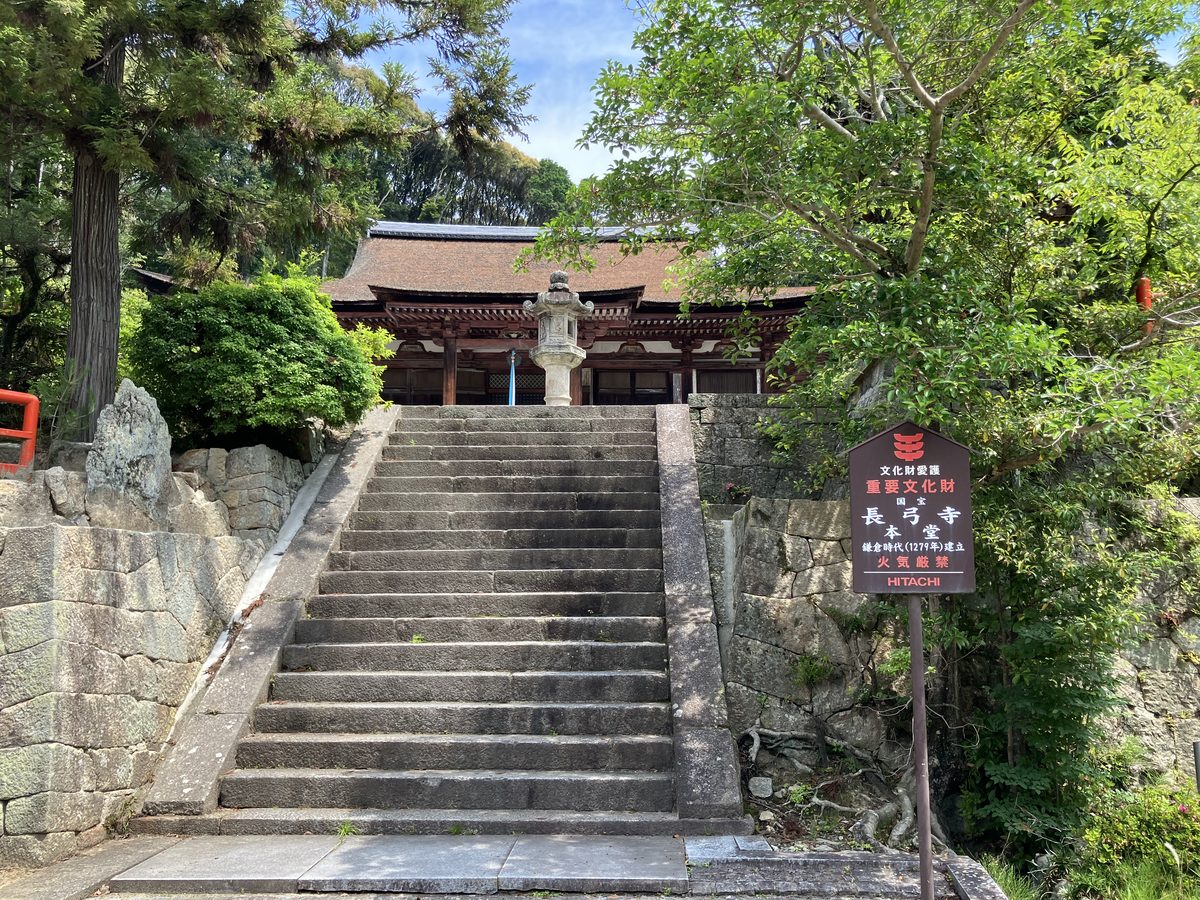
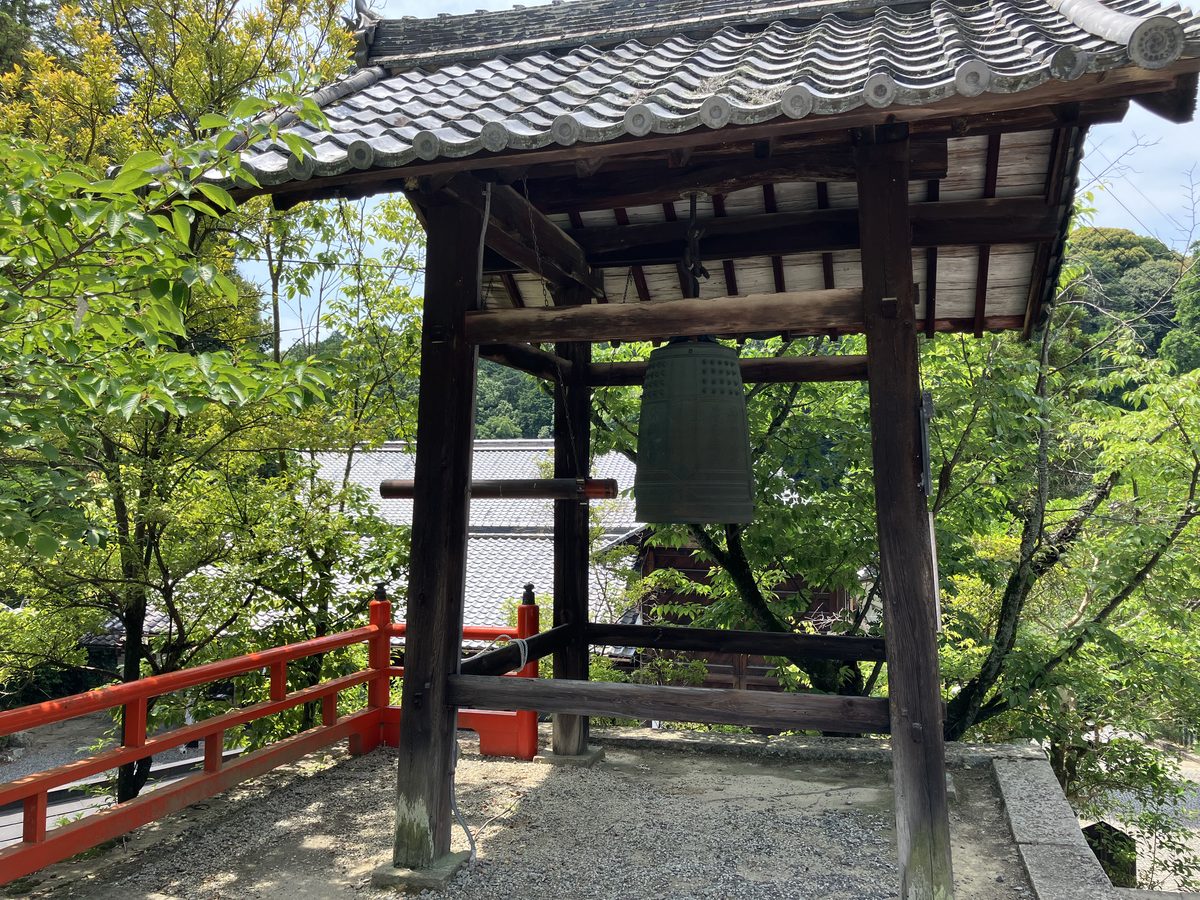
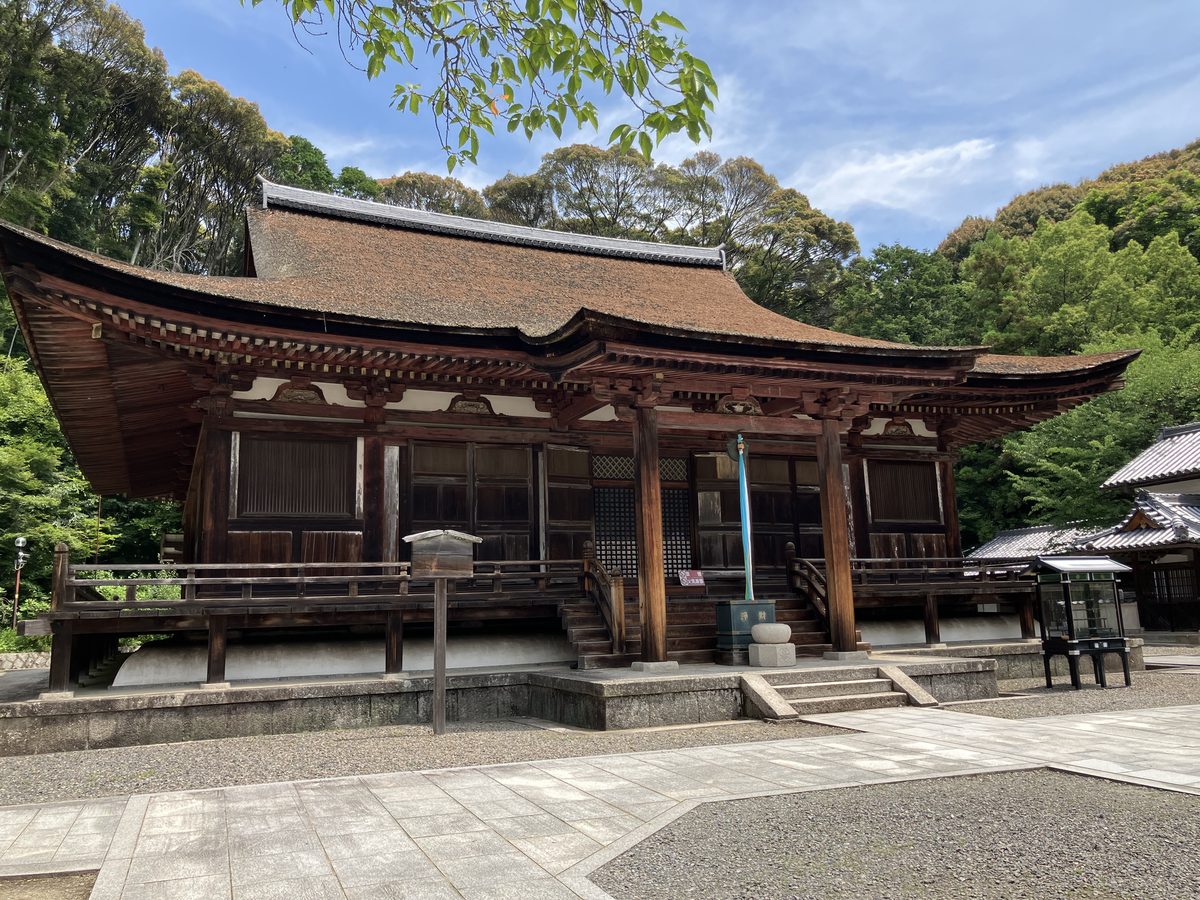
The large cypress-bark roof spreads out against the green mountain behind it. Even though it is the only National Treasure building in Ikoma City, the grounds here are very quiet too, and you can take your time with it.
Many More Things to See
There are many other things to see in the grounds, too.
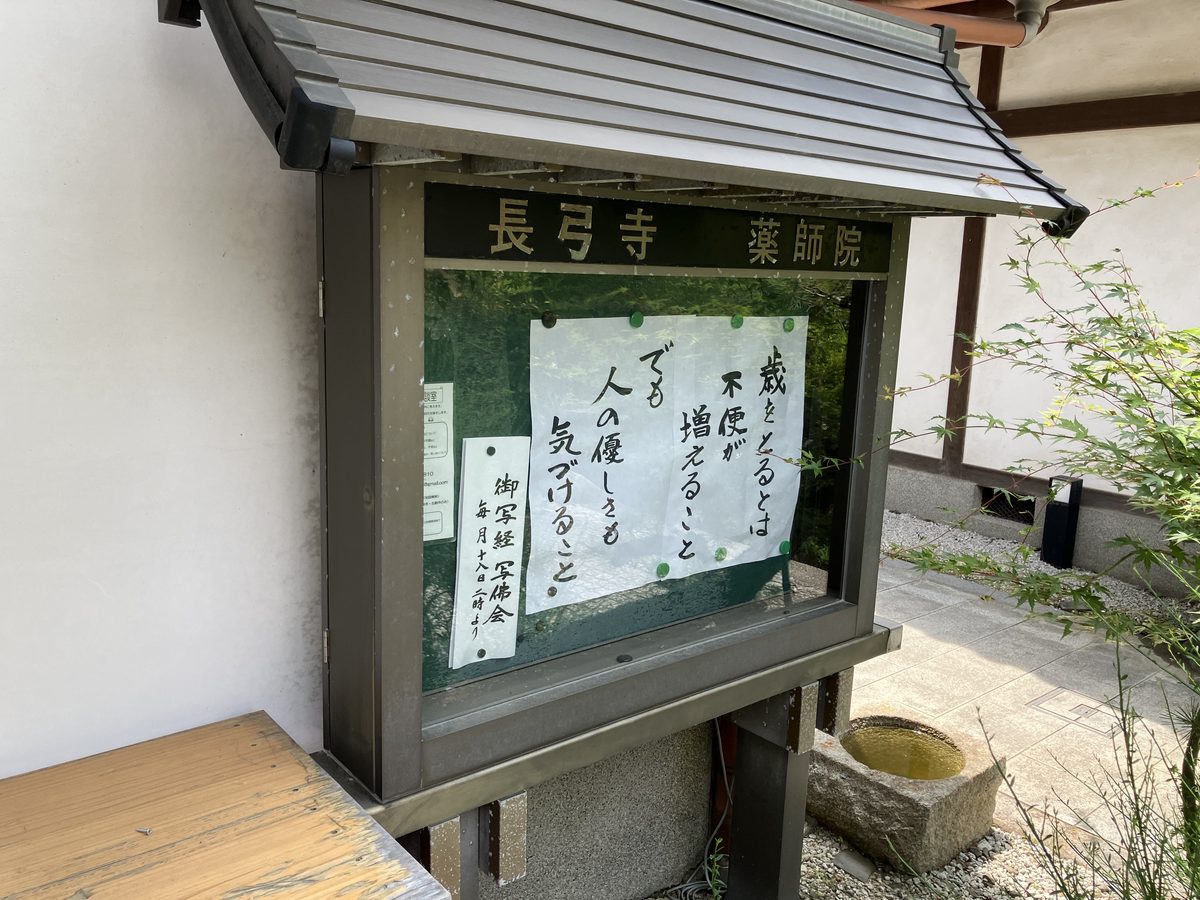
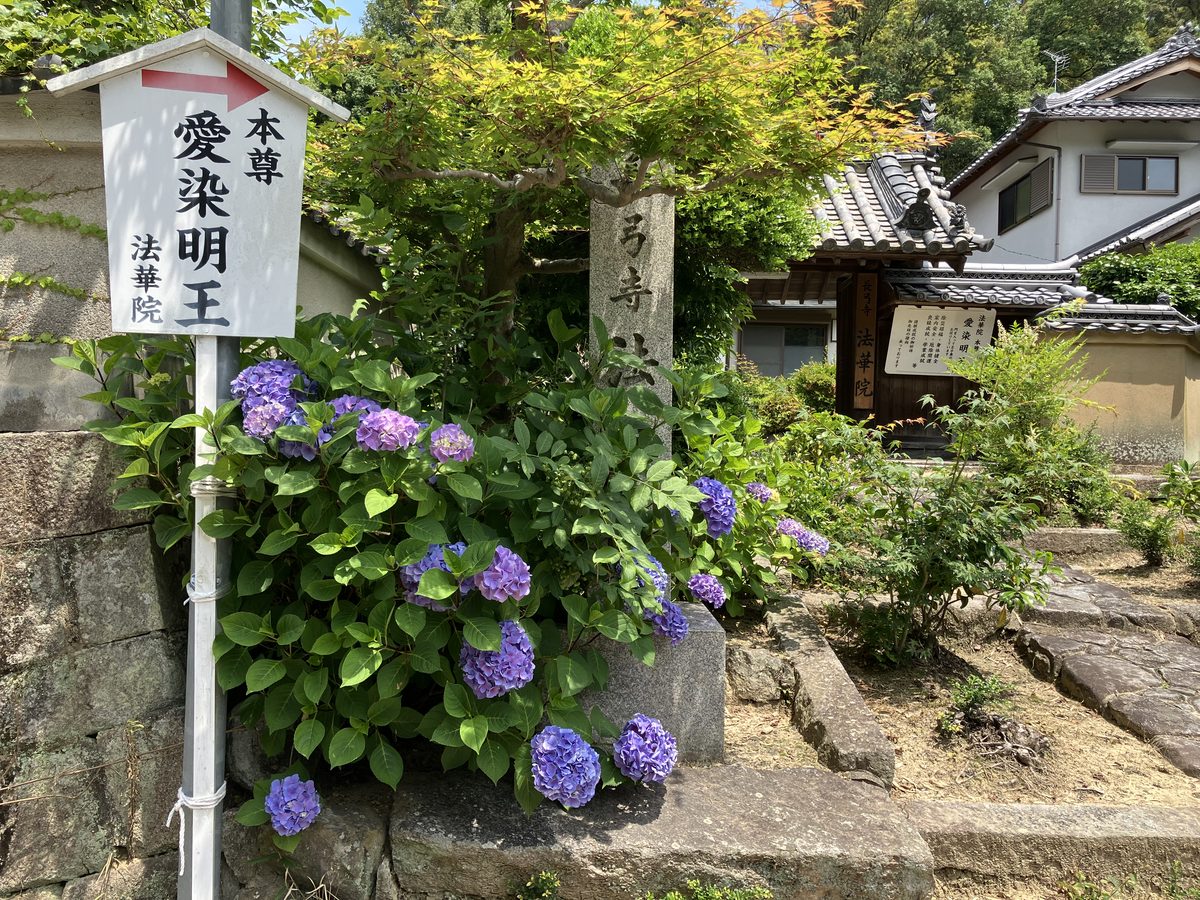
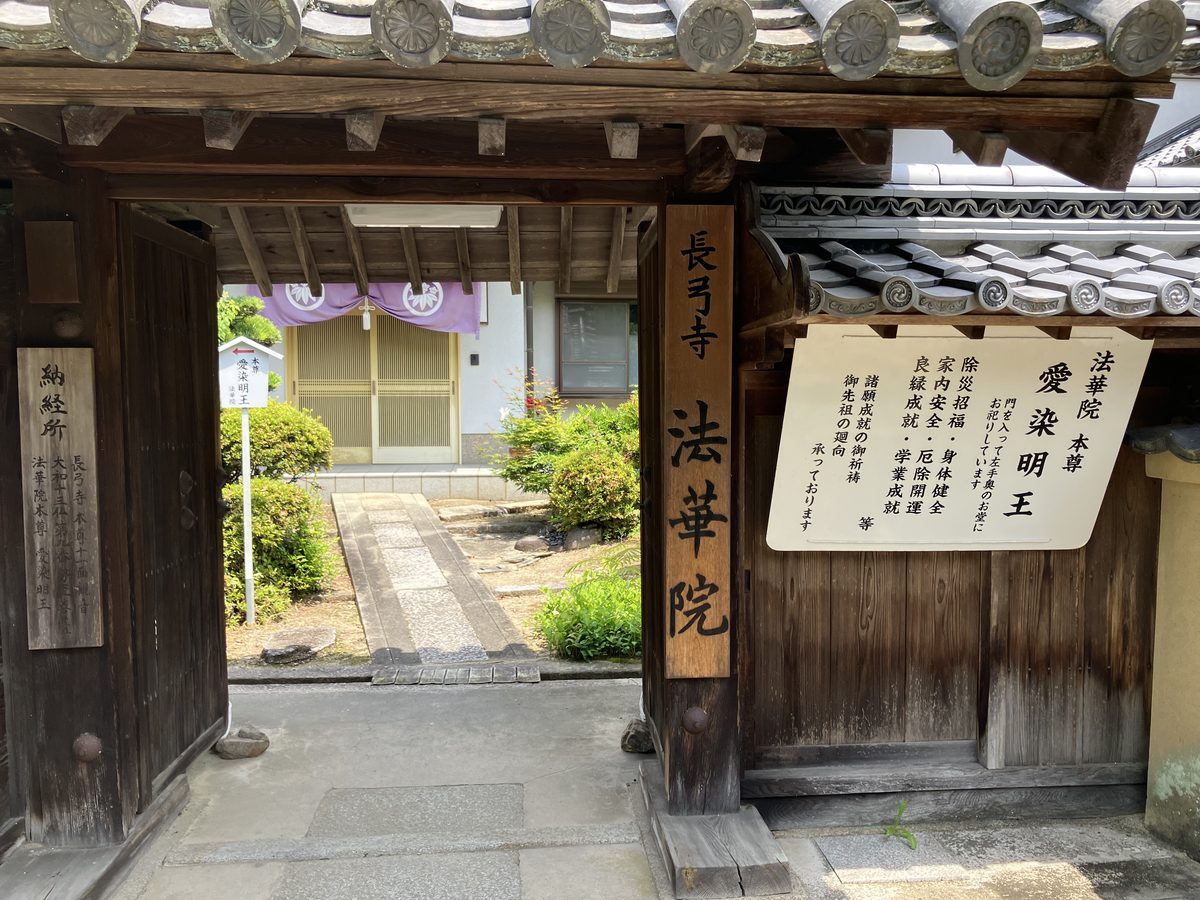
Next to the Yakushi-in notice board, there was also a notice about sutra copying and Buddha-image tracing sessions. According to the temple, they are held on the 18th of every month (the 8th in April) from around 2:00 p.m.
Looking Down on the Town in the Distance
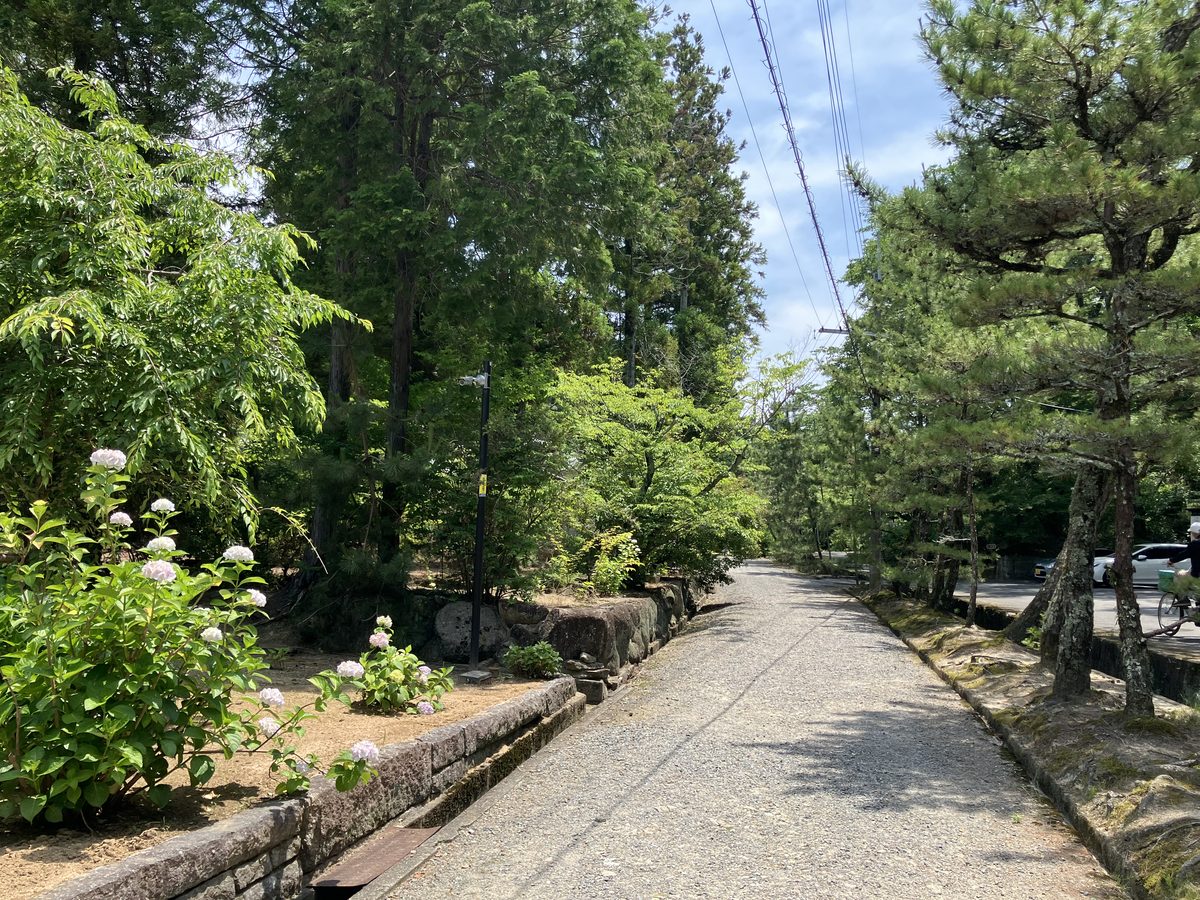
True to its mountain name, the grounds are very large, and here and there you can look down on the town in the distance. It is a truly pleasant place.
Visitor Information — Free Grounds, Best Time, Parking
| Address | 4446 Kamimachi, Ikoma City, Nara Prefecture (Chokyuji Yakushi-in) |
|---|---|
| Walking the grounds | Free to walk around. No entrance fee (as of my visit in June 2026) |
| Inside the main hall | There is no information on the official website. If you wish to see inside, please contact the temple in advance |
| Best time for hydrangeas | Usually early June to early July |
| Time needed | 1.5–2 hours (in my case) |
| Nearest stations | About 17 minutes on foot from Gakken-Kita-Ikoma Station / about 18 minutes from Shiraniwadai Station, Kintetsu Keihanna Line (according to the temple) About 50 minutes on foot from Tomio Station, Kintetsu Nara Line (step-by-step photo guide) |
| Bus | Tomio Station, East Exit, Stop No. 2 → get off at "Ikoma-Kamimachi," about 5 minutes on foot Gakuen-mae Station, North Exit, Stop No. 6 (bound for Gakken-Kita-Ikoma) → get off at "Mayumi 4-chome," about 5 minutes on foot (according to the temple) |
| Parking | Available (70 cars) |
| Sutra copying | 18th of every month (8th in April), from about 2:00 to 4:00 p.m. (Yakushi-in) |
* Checked in November 2026 against the official website of Chokyuji Yakushi-in and the signs on site. The time needed is my (Masaru's) own estimate. The hydrangea season is a general guide and varies from year to year.
📷 Photos taken on Saturday, June 13, 2026
How to Visit — A Morning in Hydrangea Season
I always visit in the morning during hydrangea season. Taking my time to look at the flowers and take photos while walking slowly around the large grounds, I spend about 1.5 to 2 hours — right up until just before noon in the quiet grounds.
Chokyuji is, above all, quiet. You can savor the hydrangeas — and in summer, the lotus flowers — to your heart's content.
On the way back, my body is fairly tired from the walk from Tomio Station and from the ups and downs of the grounds. So I continue north along Prefectural Route 7 and rest at a café near where it meets the Kintetsu Keihanna Line. Or I take the Keihanna Line from Gakken-Kita-Ikoma Station one stop to the end of the line, Gakken-Nara-Tomigaoka Station, and have tea at AEON MALL Nara Tomigaoka near the station.
Just one request for everyone who visits.
Chokyuji is a place where local people relax, and a part of their daily lives. Memorial services for the temple's families are held here as usual. Please don't come in large groups or make loud noise — it would make me happy if you could visit quietly, just as the locals do. And please be sure to take your trash home with you.
🏨 Staying Overnight in Nara?
Along the Kintetsu Nara Line you walk from in this article, around Yamato-Saidaiji and Shin-Omiya Stations, there are four hotels you can book on Klook: Kamenoi Hotel Nara, introduced in No. 009 — Heijo Palace Site (free shuttle from the South Exit of Yamato-Saidaiji Station, reservation required by the day before; according to the hotel), the Nara Royal Hotel, introduced in Articles 6–8, and Novotel Nara and JW Marriott Hotel Nara, introduced in Article 5. If you want to arrive at Chokyuji in the morning, staying along the Kintetsu Nara Line like this lets you travel to Tomio Station early in the day.
Ad
Besides these four, you can also search for and book other hotels and ryokan (Japanese inns) in Nara on Klook. Below are some of the places to stay in Nara listed on Klook.
Ad
Seasonal Highlights and Annual Events
- Hydrangeas: Usually early June to early July. They bloom all over the grounds, from the slope just past the torii gate to the approach and in front of the sub-temples.
- Lotus: Summer. Lotus flowers bloom in the pond in the grounds.
- Main annual events at Yakushi-in: January 1–15, New Year calligraphy exhibition / February 3, Hoshi Matsuri (star festival) / April 8, Hana Matsuri (Buddha's birthday) / first Sunday of August (morning), Segaki memorial service / 18th of every month (8th in April), sutra copying and Buddha-image tracing (according to the temple).
Frequently Asked Questions
How much is the admission fee for Chokyuji Temple?
You can walk around the grounds freely, and there is no entrance fee (as of my visit in June 2026). There is no information on the official website about seeing inside the main hall, so if you wish to, please contact the temple in advance.
When is the best time to see the hydrangeas?
Usually from early June to early July. When I visited on June 13, 2026, the hydrangeas in the grounds were blooming in many colors. The timing varies from year to year, so please check the latest bloom information before you go.
What is the nearest station?
Gakken-Kita-Ikoma Station (about 17 minutes on foot) and Shiraniwadai Station (about 18 minutes) on the Kintetsu Keihanna Line. This article guides you with photos along the walk from Tomio Station on the Kintetsu Nara Line, following the Tomio River (about 50 minutes).
Can I get there by bus?
Yes. From Stop No. 2 at the East Exit of Tomio Station, take a Nara Kotsu bus, get off at "Ikoma-Kamimachi," and walk about 5 minutes — but buses run only about once an hour. From Stop No. 6 at the North Exit of Gakuen-mae Station, take a bus bound for Gakken-Kita-Ikoma, get off at "Mayumi 4-chome," and walk about 5 minutes (according to the temple).
How much time should I allow?
In my case, about 1.5 to 2 hours, walking around the large grounds while enjoying the hydrangeas and taking photos. The grounds have some ups and downs, so comfortable shoes are recommended.
Is it crowded?
I have visited many times in hydrangea season and have never seen a traveler from abroad. Most visitors are local people. You can enjoy the hydrangeas in peace, but since it is also part of local people's daily lives, please visit quietly and take your trash home with you.
Is there parking?
Yes, for 70 cars. By car, turn east at the "Mayumi-bashi Higashizume" intersection on Prefectural Route 7; the temple is just ahead (according to the temple).
The Charm of Chokyuji Temple
How did you enjoy this report?
Chokyuji has the only National Treasure building in Ikoma City, yet it still treasures the face it shows in local people's daily lives rather than the face of a tourist spot. As you walk through the grounds, you may see temple families coming to pray, and if your timing is right, you may meet the members of a nearby high school baseball team running through the grounds. They politely call out "Konnichiwa!" (Hello!), and you call "Konnichiwa!" back. Small moments like this are a joy you can only find at this temple.
For visitors on a sightseeing trip, it is not exactly easy to get to, and it is some distance from the nearest station. That is exactly why it is a hidden gem among hidden gems. Honestly, it is such a wonderful hydrangea spot that I would rather keep it to myself.
Please follow good manners, and enjoy the hydrangeas of Chokyuji as if you were a local. This article is about the hydrangea season, so please use it to plan your trip for next year.
This blog will continue to share places with real character that most people never notice — please come and see them with your own eyes.
Become a Local for a Day at the Hydrangea Temple 💠
I hope you will come and visit this temple where the people of Ikoma come to relax.
Surely, your own unique Nara is waiting for you.
Life is a journey. Let's walk it slowly, together.