Hokkeji Temple: A Radiant Imperial Nunnery
📢 Affiliate Disclosure: This article may contain affiliate links. If you make a purchase or booking through these links, we may earn a small commission to help support the blog. Thank you for your understanding. → Privacy Policy
🏨 Looking for a place to stay in Nara? → See where to stay
How did you enjoy Kairyuoji Temple, which we introduced in Article 7? I hope you fell in love with its refined, understated charm — different from Futaiji.
This time, we complete our three-temple series with the third and final stop.
This time, it's Hokkeji Temple.
This temple may also be relatively unknown to many visitors.
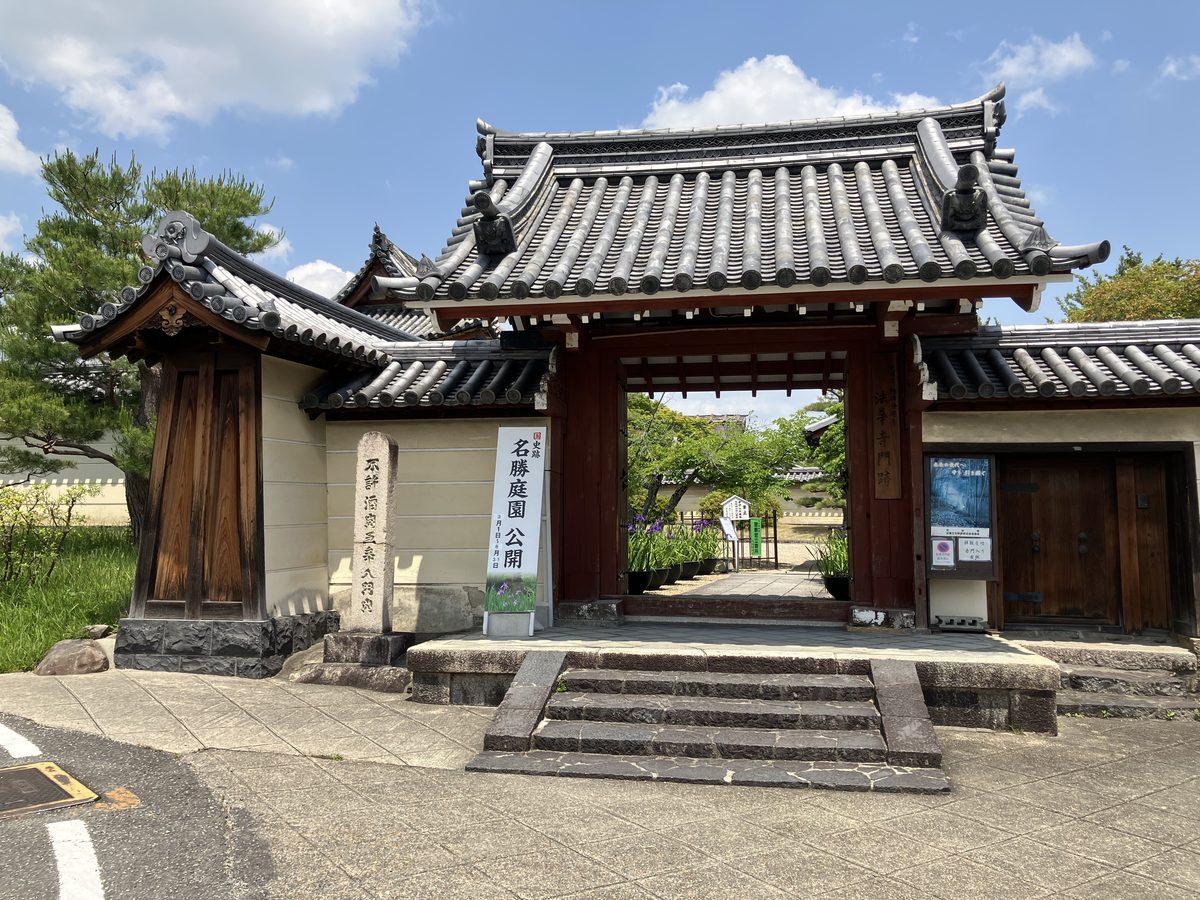
It sits almost next to Kairyuoji — once you step out of the Kairyuoji grounds and walk around by the outside road, it's just a 5-minute walk away. Let me introduce you to the unique charm of Hokkeji Temple, different again from both Futaiji and Kairyuoji.
About Hokkeji Temple
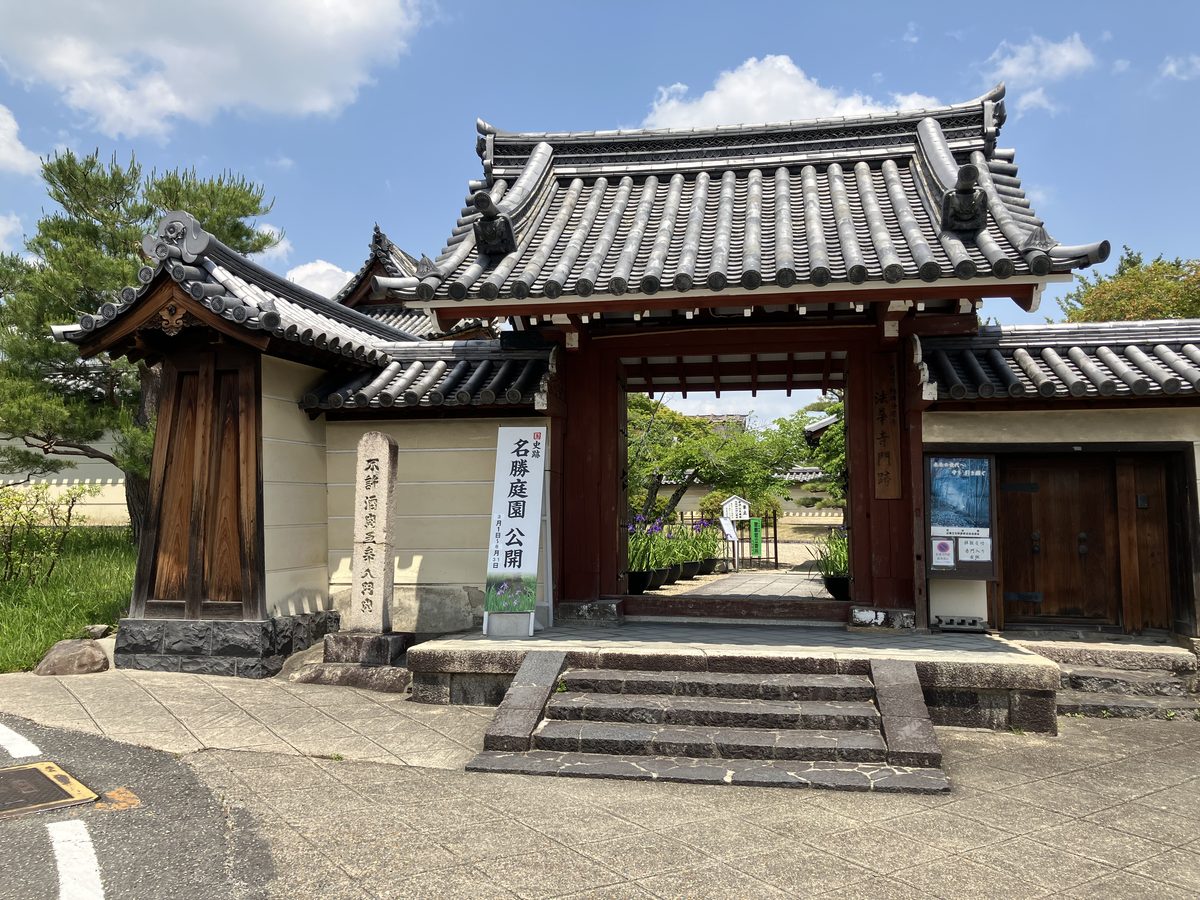
It is said that Hokkeji Temple was founded in the Nara period by Empress Komyo. It is also known as a center of faith for women.
The principal image, the standing Eleven-Faced Kannon Bosatsu, is designated as a National Treasure and is well worth seeing. However, please note that it is only open to the public during special viewing periods: June 5–10 and October 25 – November 10.
The main hall also houses many Japanese treasures, including a statue of Prince Shotoku at age 2 and age 3, as well as statues of Monju Bosatsu and Kobo Daishi.
Like Byakugoji (Article 4), Futaiji (Article 6), and Kairyuoji (Article 7) introduced earlier, this temple was also restored by Eison Kosho Bosatsu, who founded Saidaiji Temple (introduced in Article 2). Once again, a wonderful connection appears. You might expect it to be the same Shingon Ritsu sect as Futaiji and Kairyuoji — however, the temple converted to a different sect in 1999, so it is no longer Shingon Ritsu.
The spacious precinct also features a scenic garden (special viewing only: April 1 – June 10) and the Karakuen garden, where you can enjoy seasonal flowers. Japanese irises bloom around May, and lotus flowers are at their peak from mid-June to mid-July.
As a temple with deep imperial connections, the precinct is filled with a radiant, splendid atmosphere.
Admission: 990 yen (may vary by season)
Please pay in cash at the entrance reception.
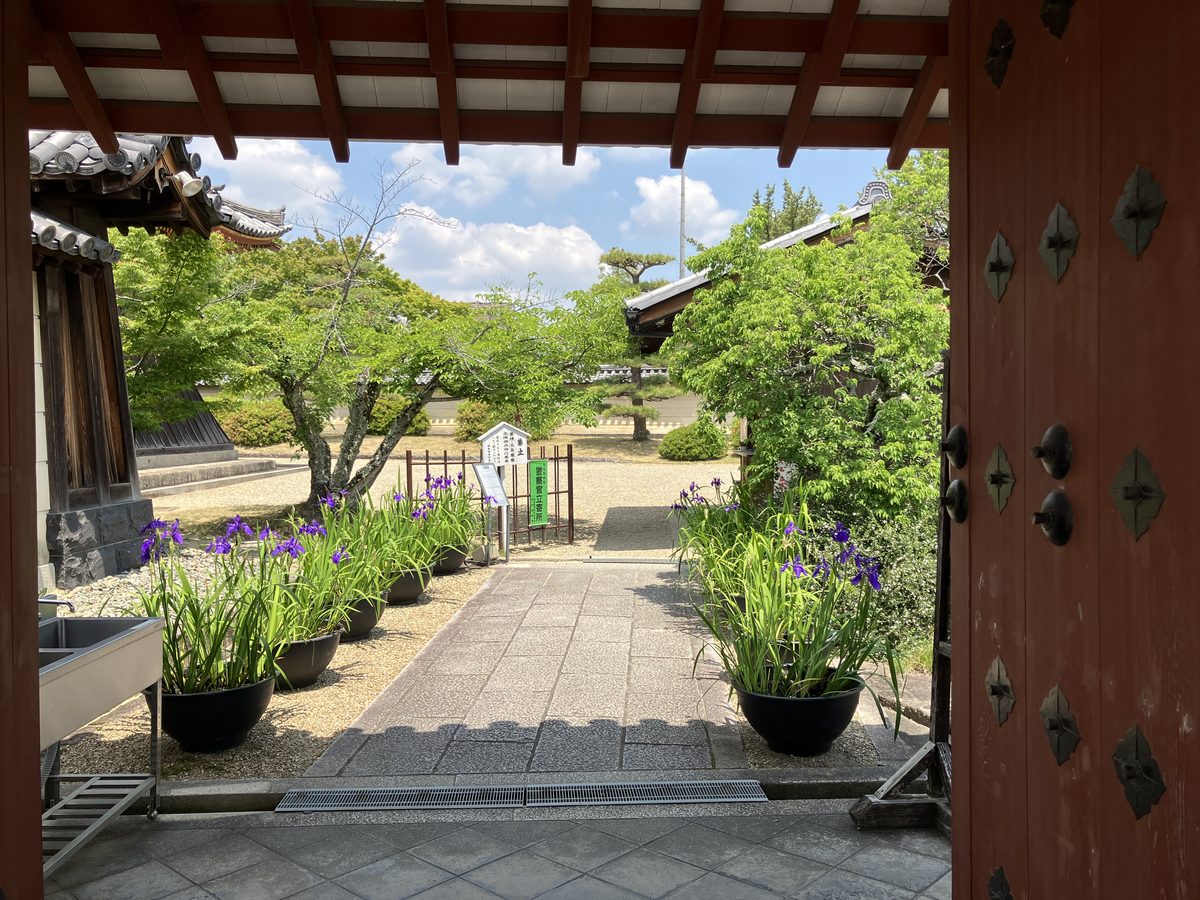
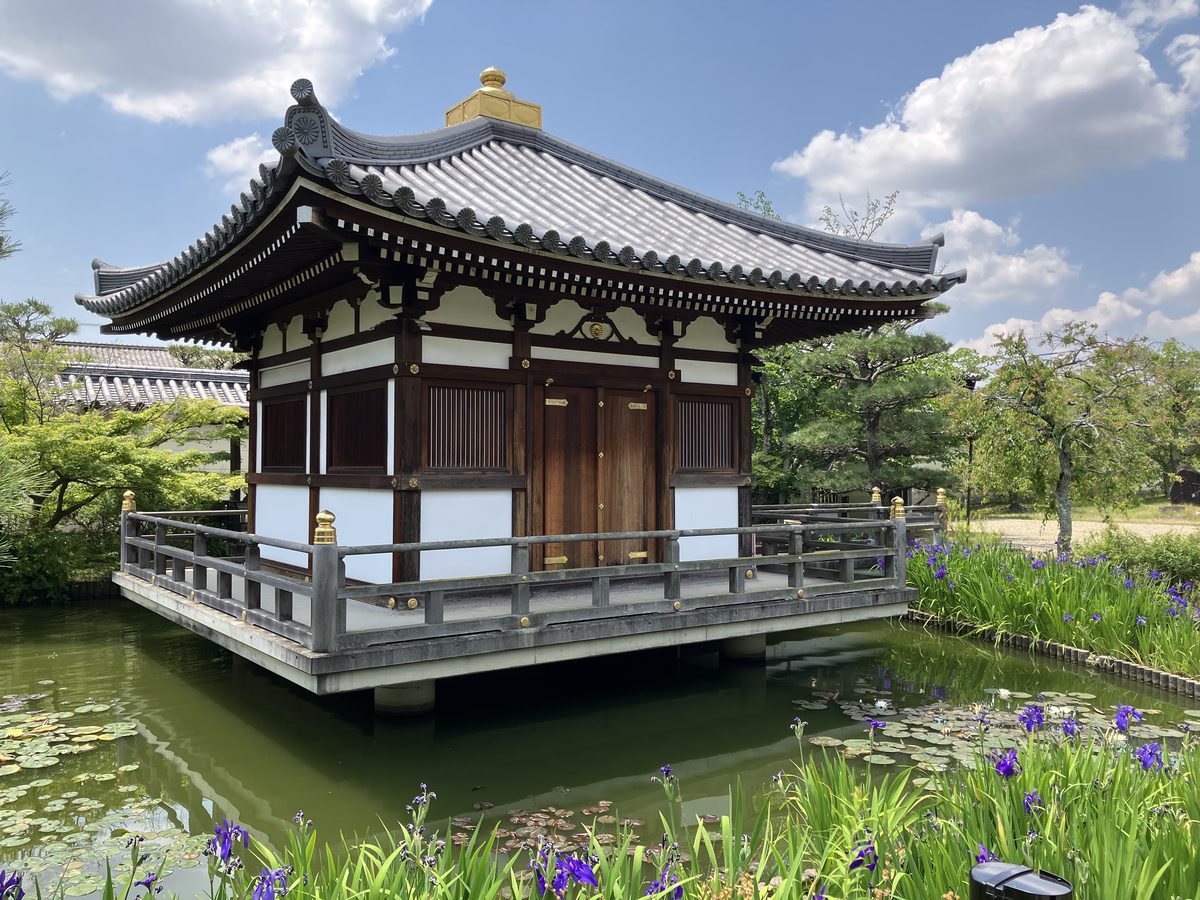
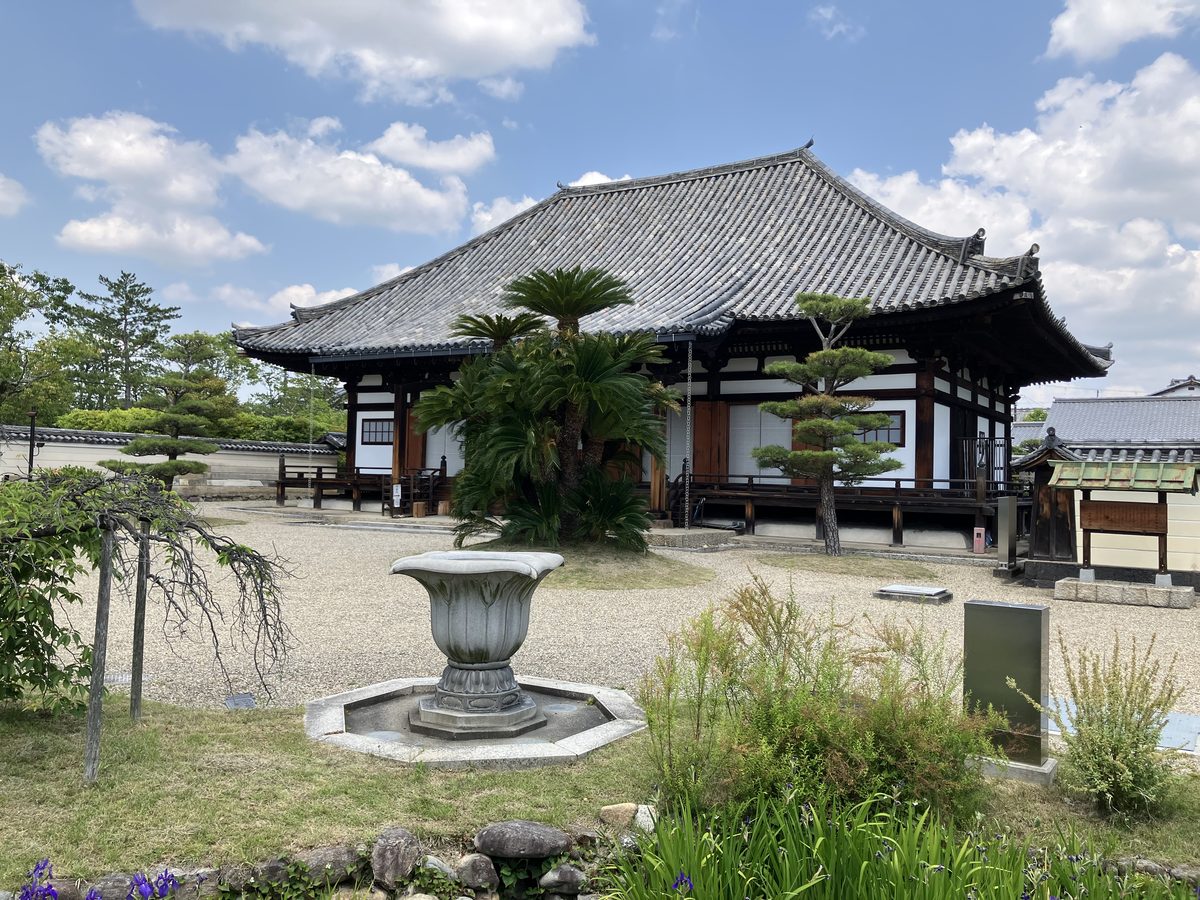
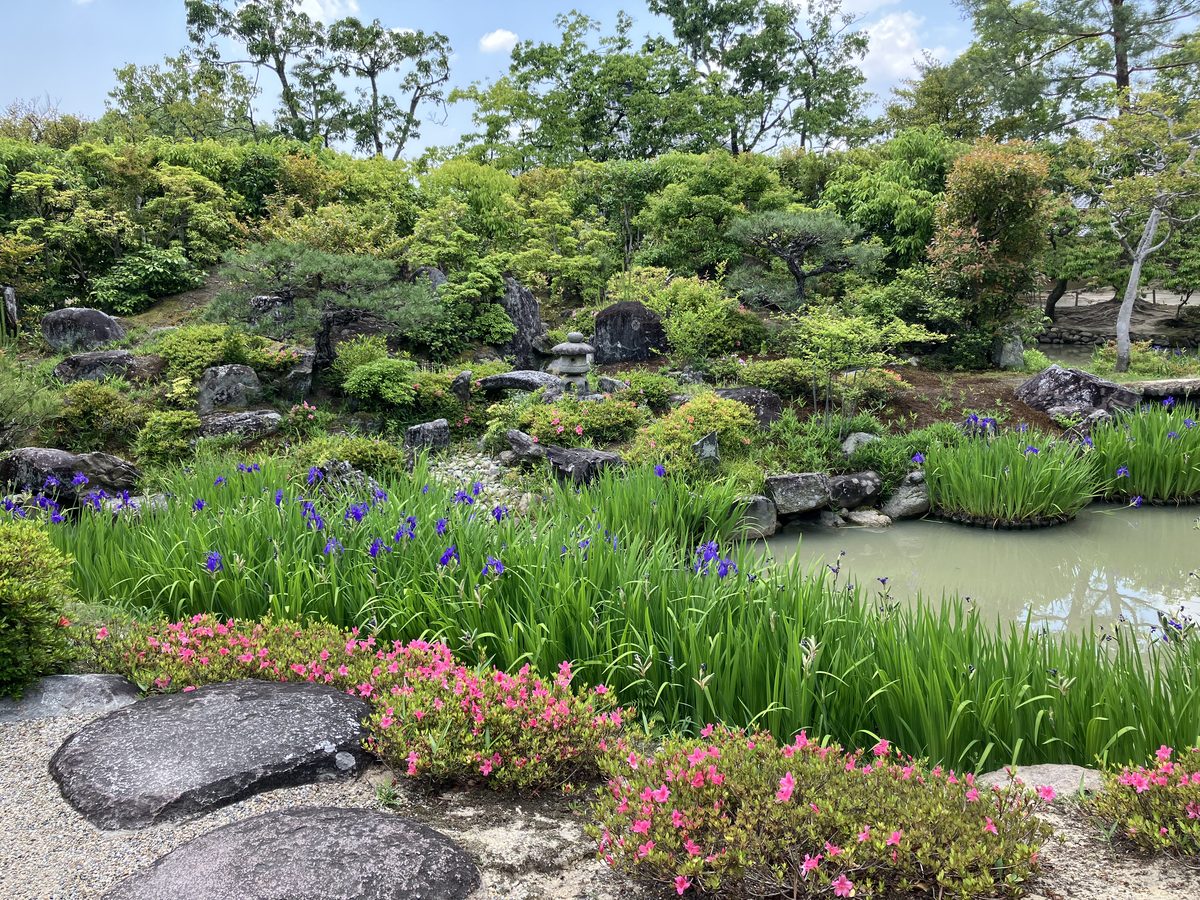
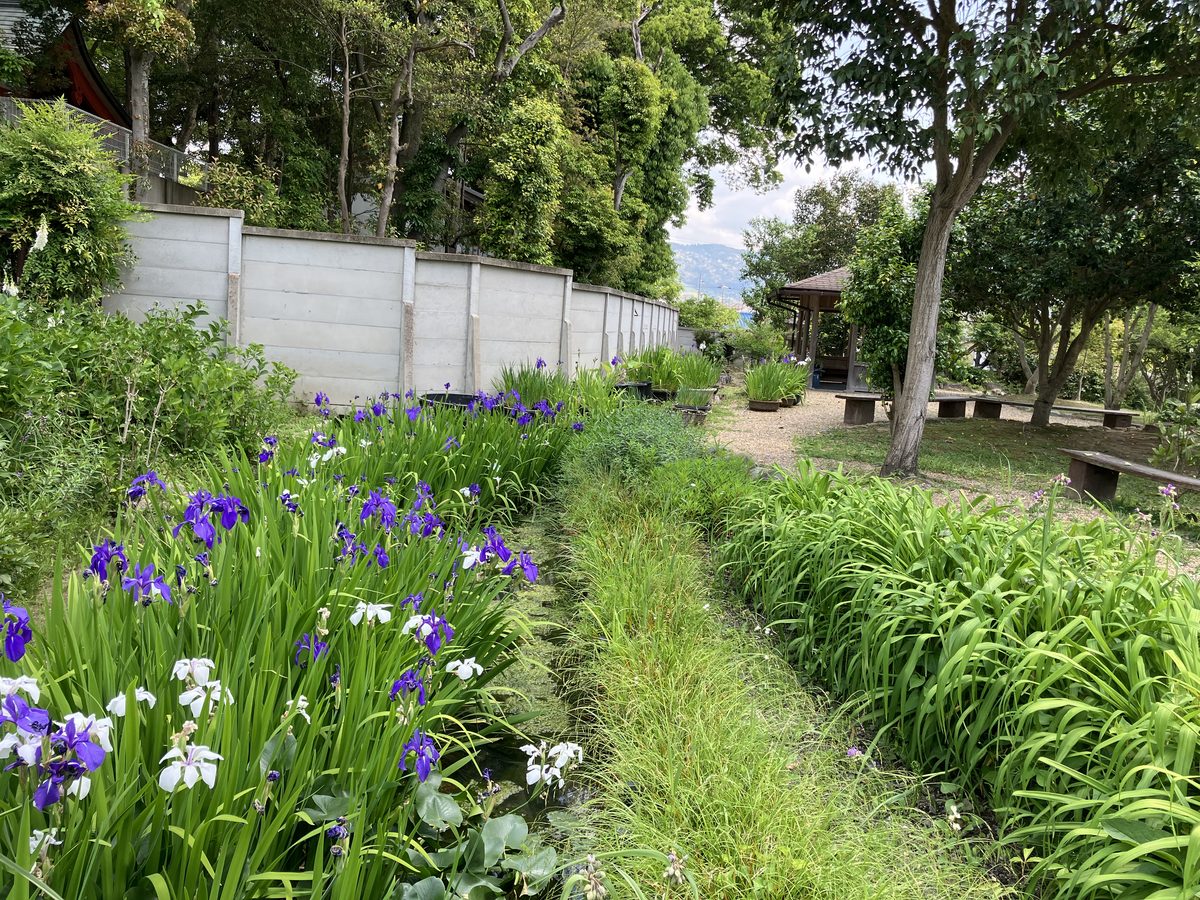
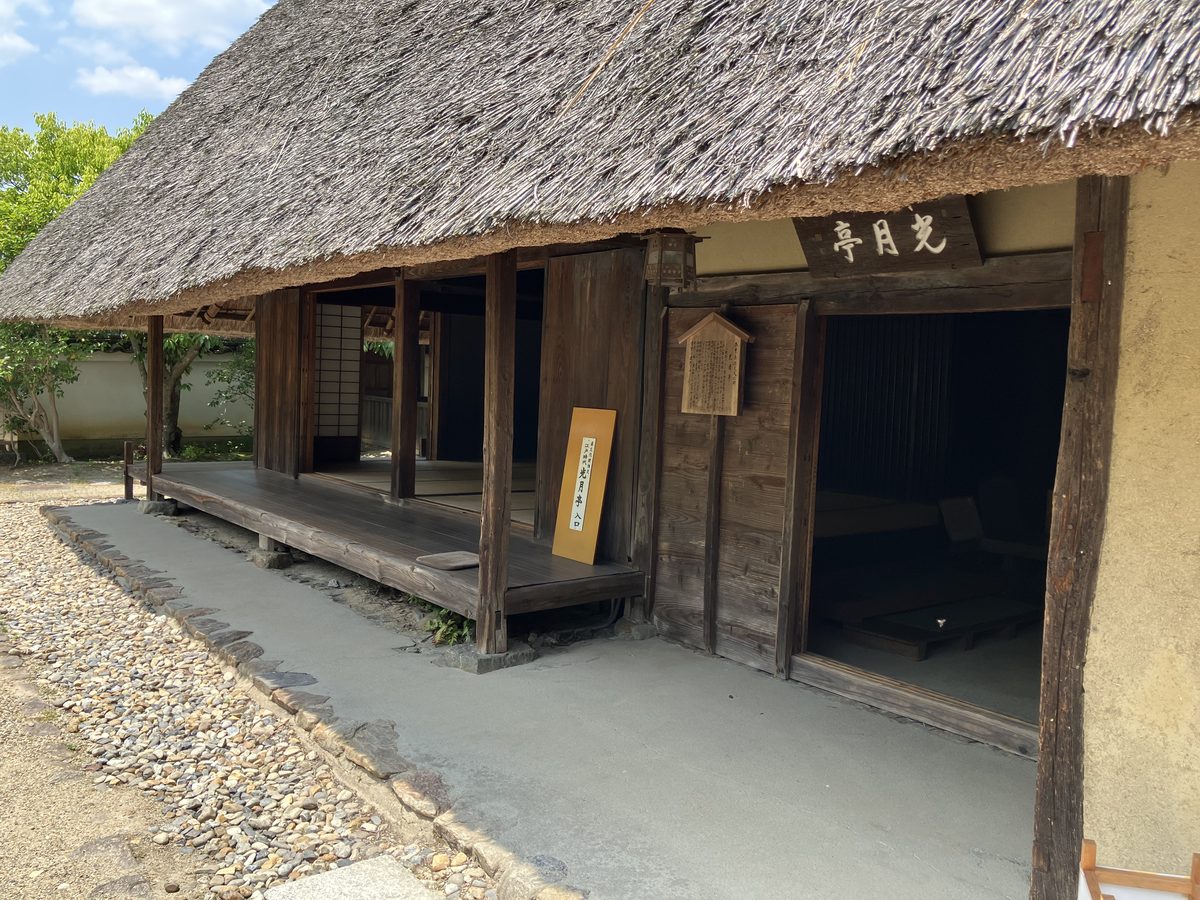
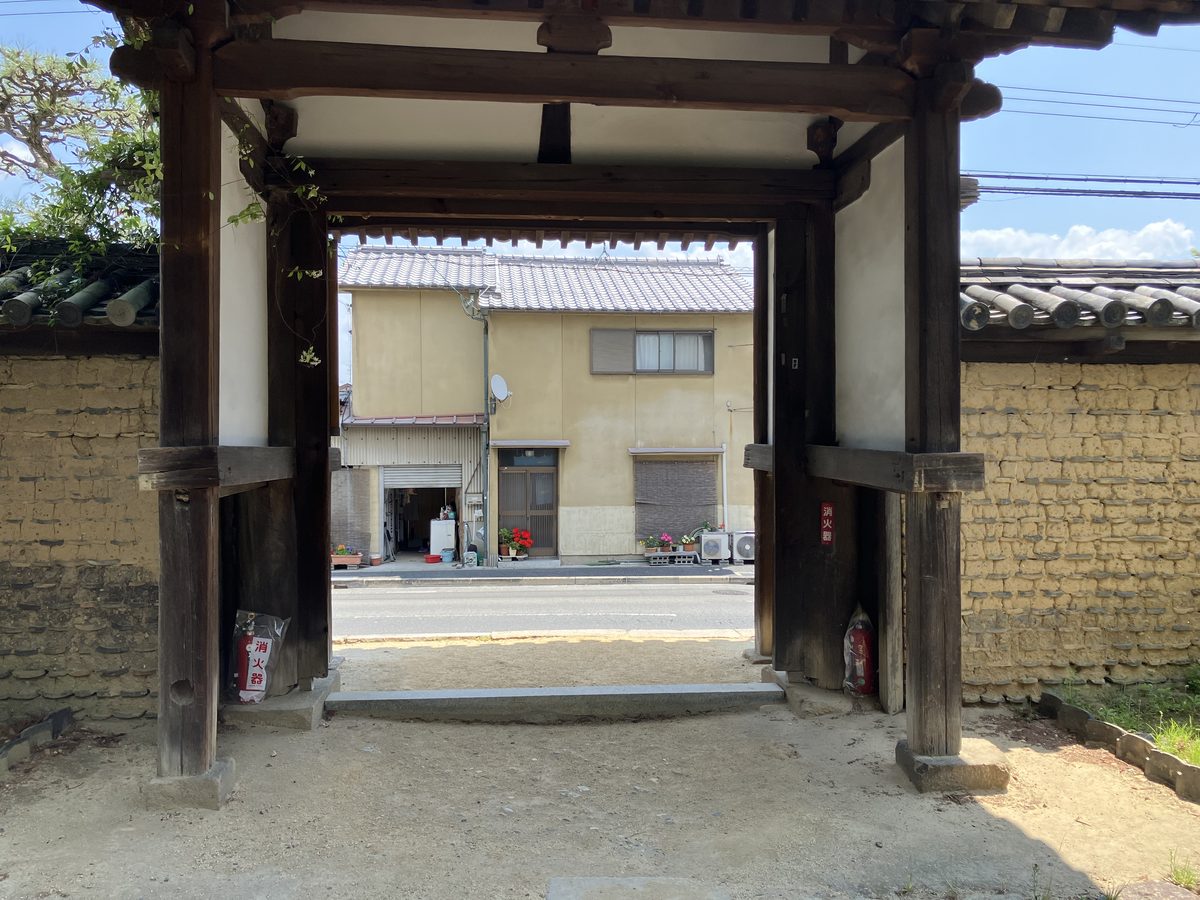
Area around Hokkeji Temple
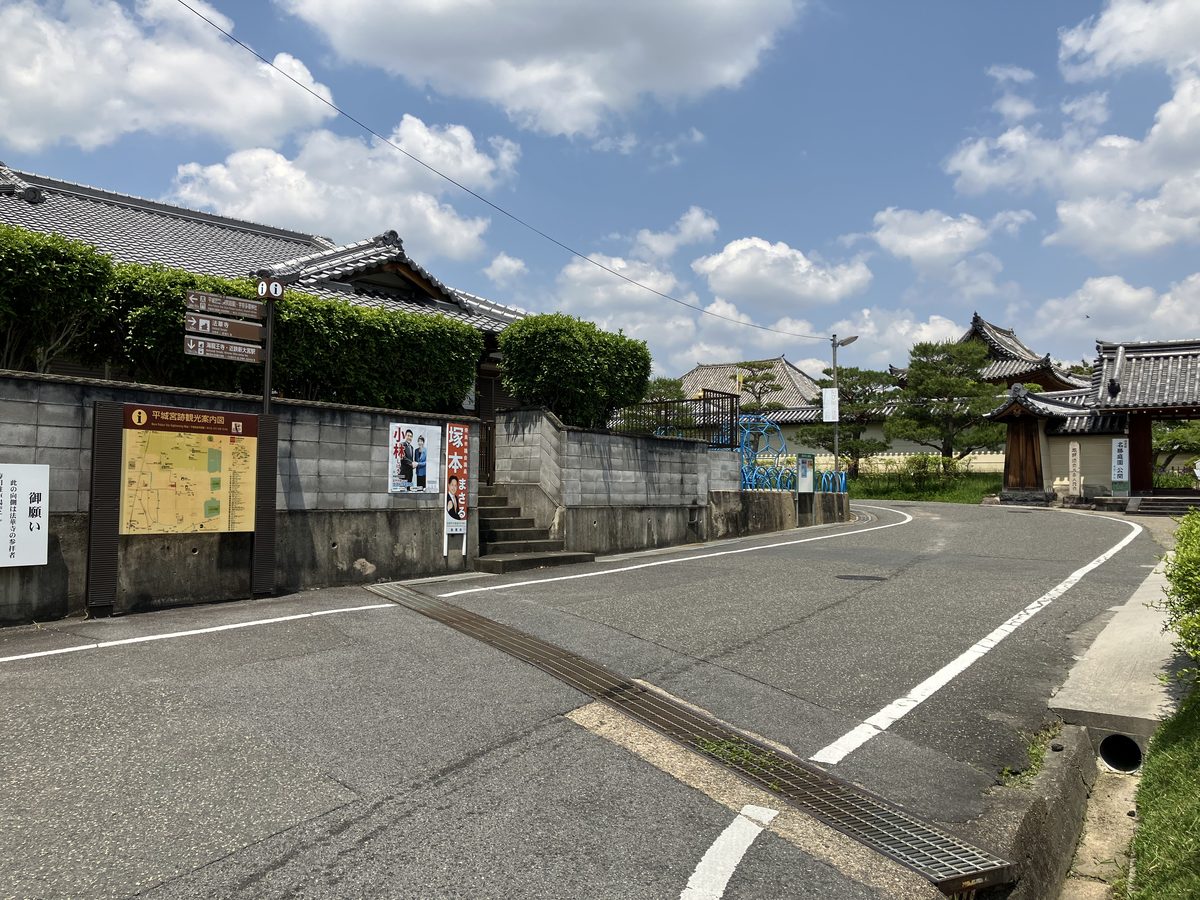
The area around Hokkeji Temple is quiet and peaceful, perfect for a leisurely stroll.
Access (Basic Information)
Kairyuoji Temple → Hokkeji Temple (on foot)
· Shortest distance: approx. 350 m
· Walking time: approx. 5 minutes
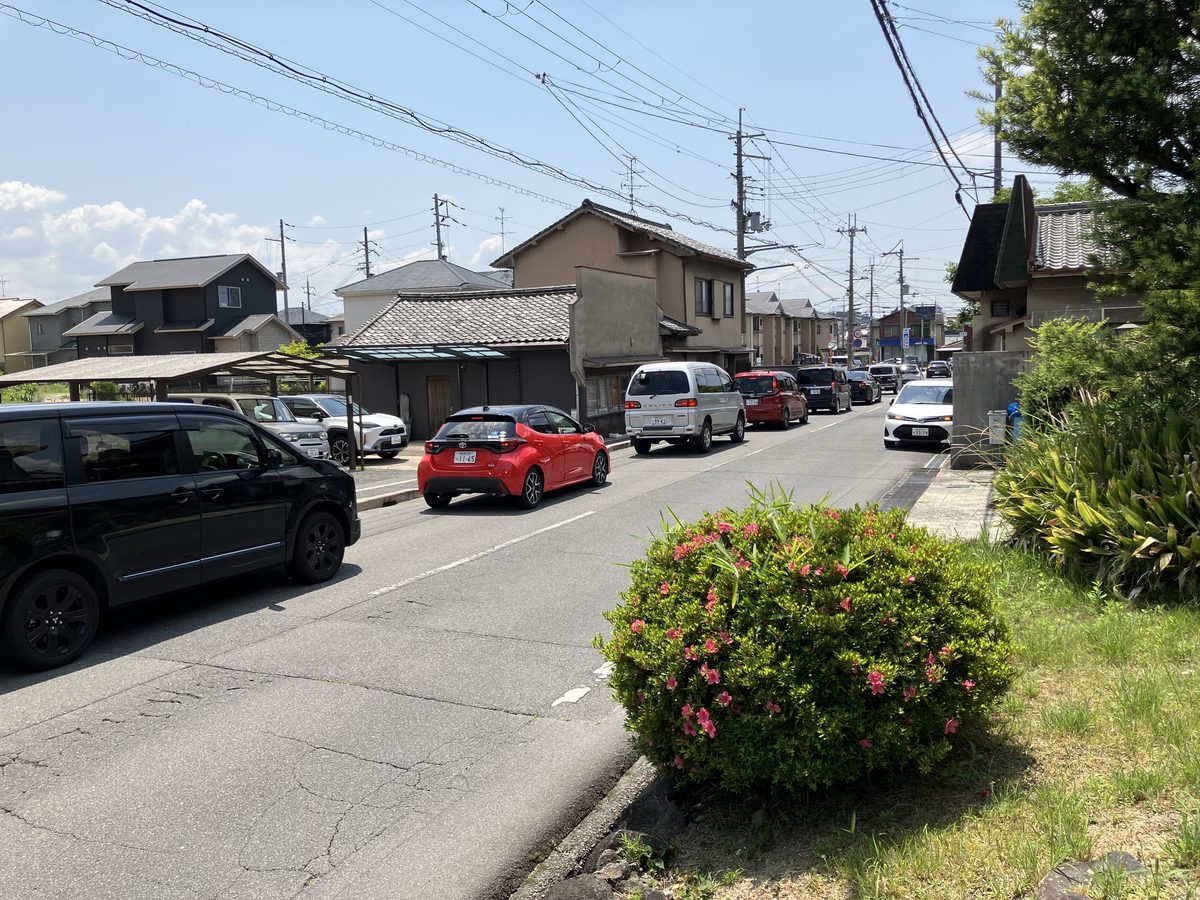
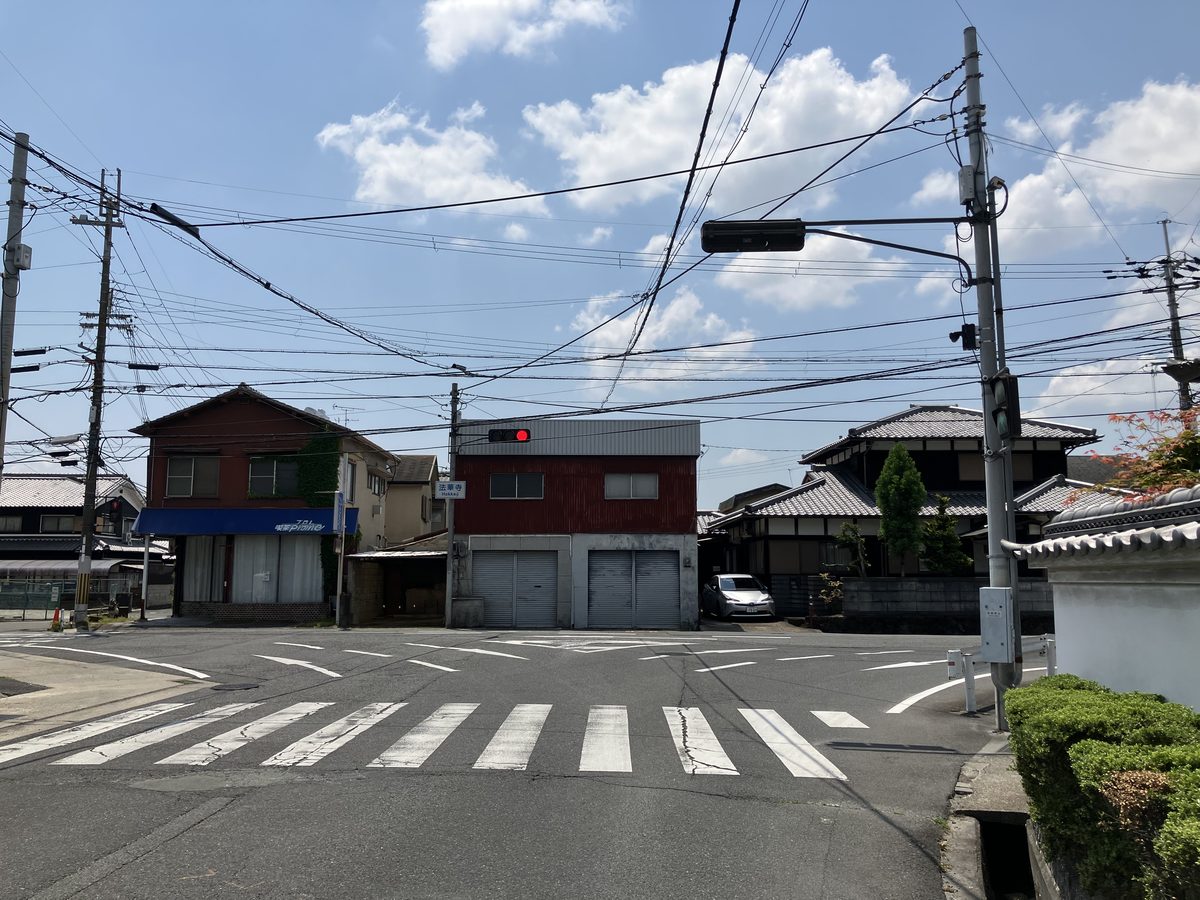
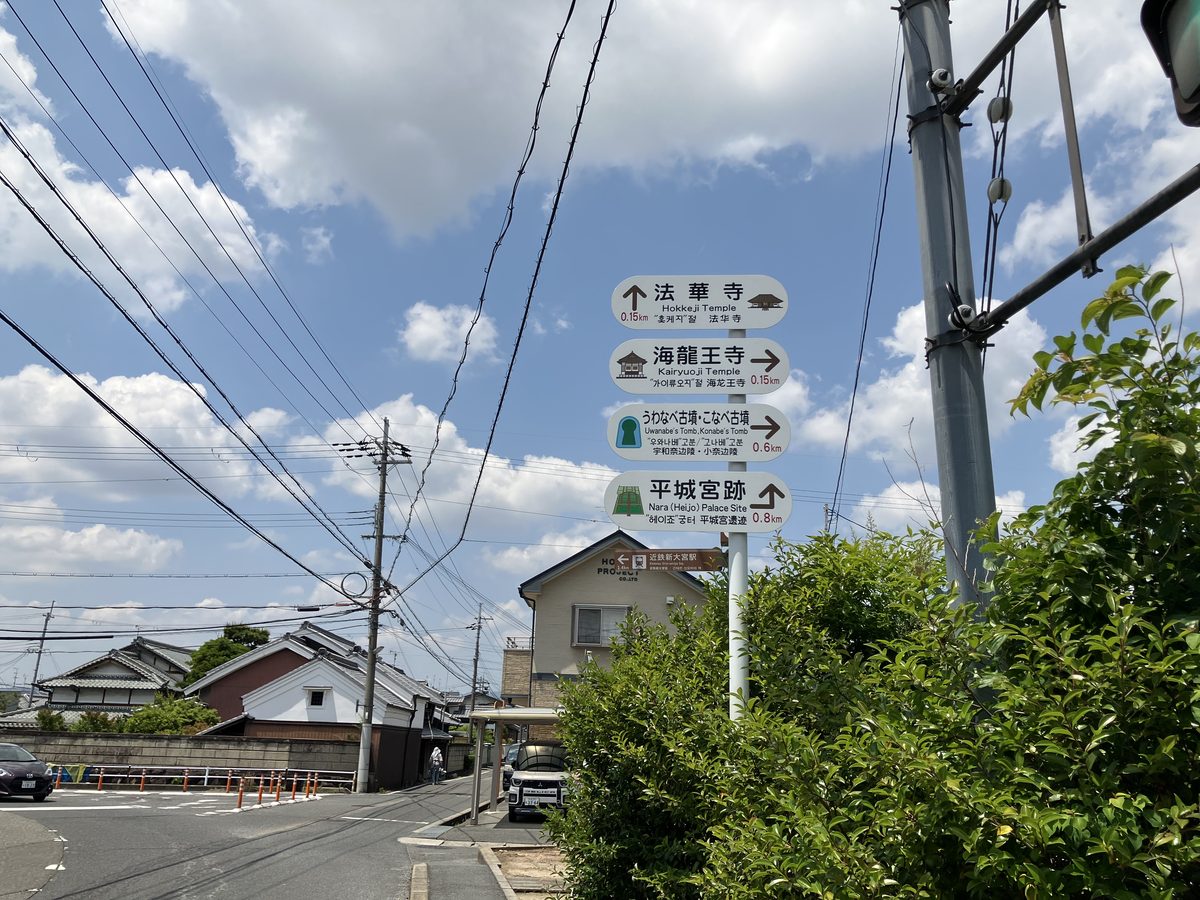
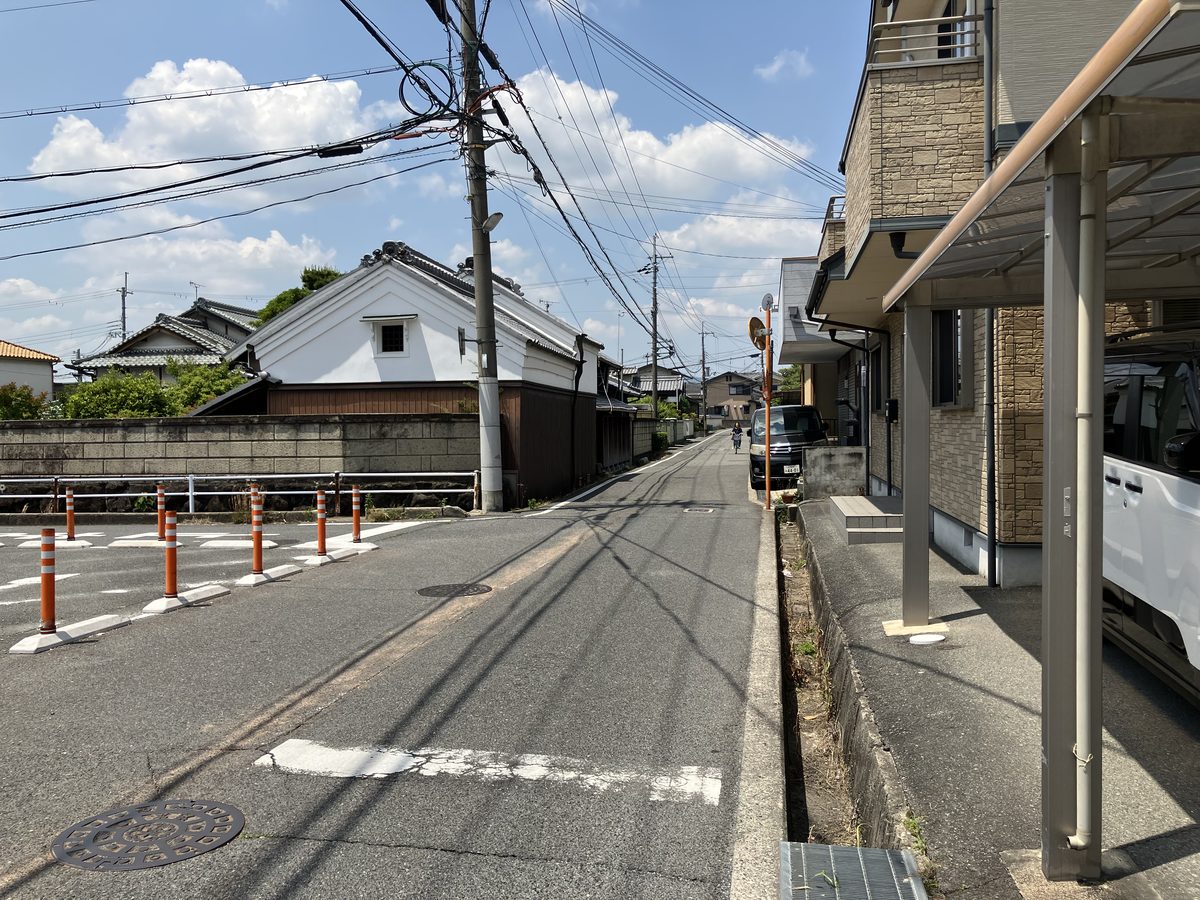
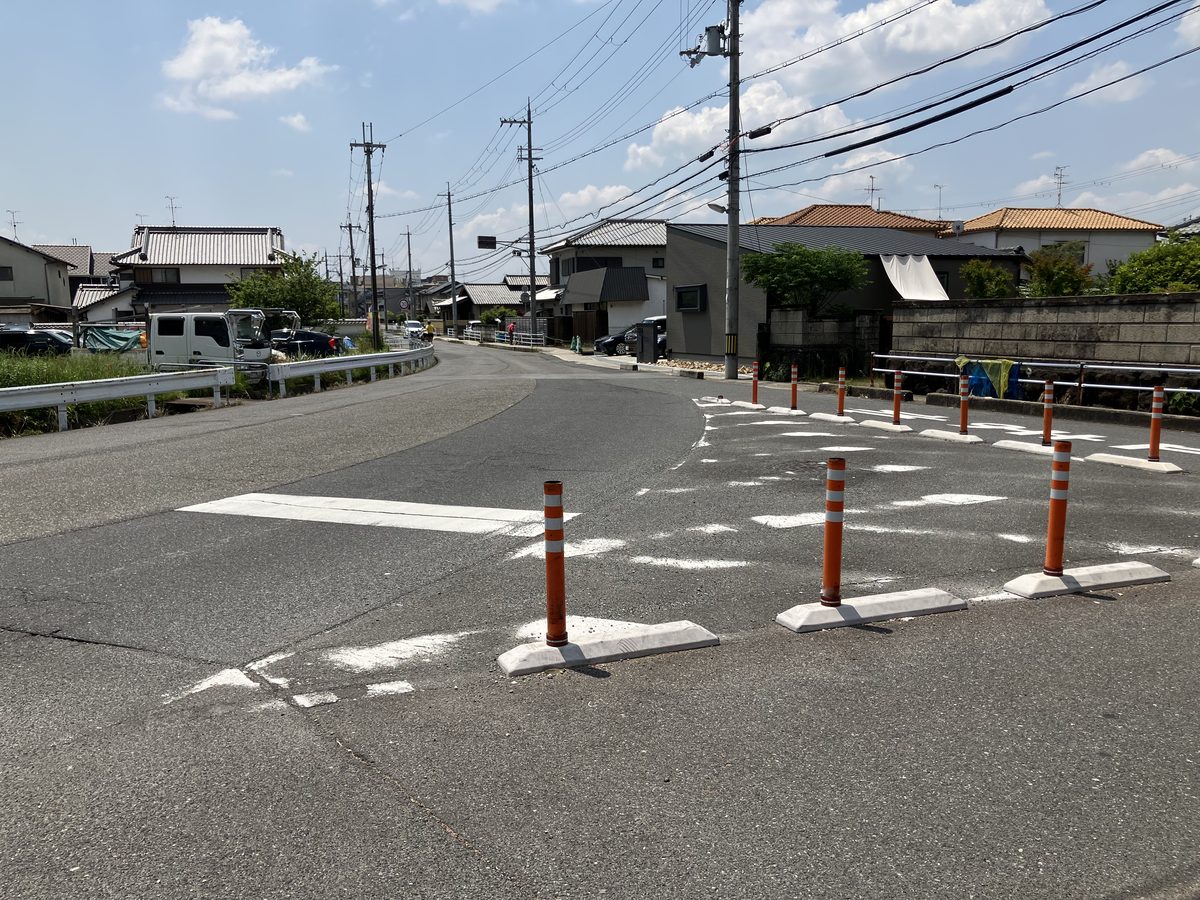
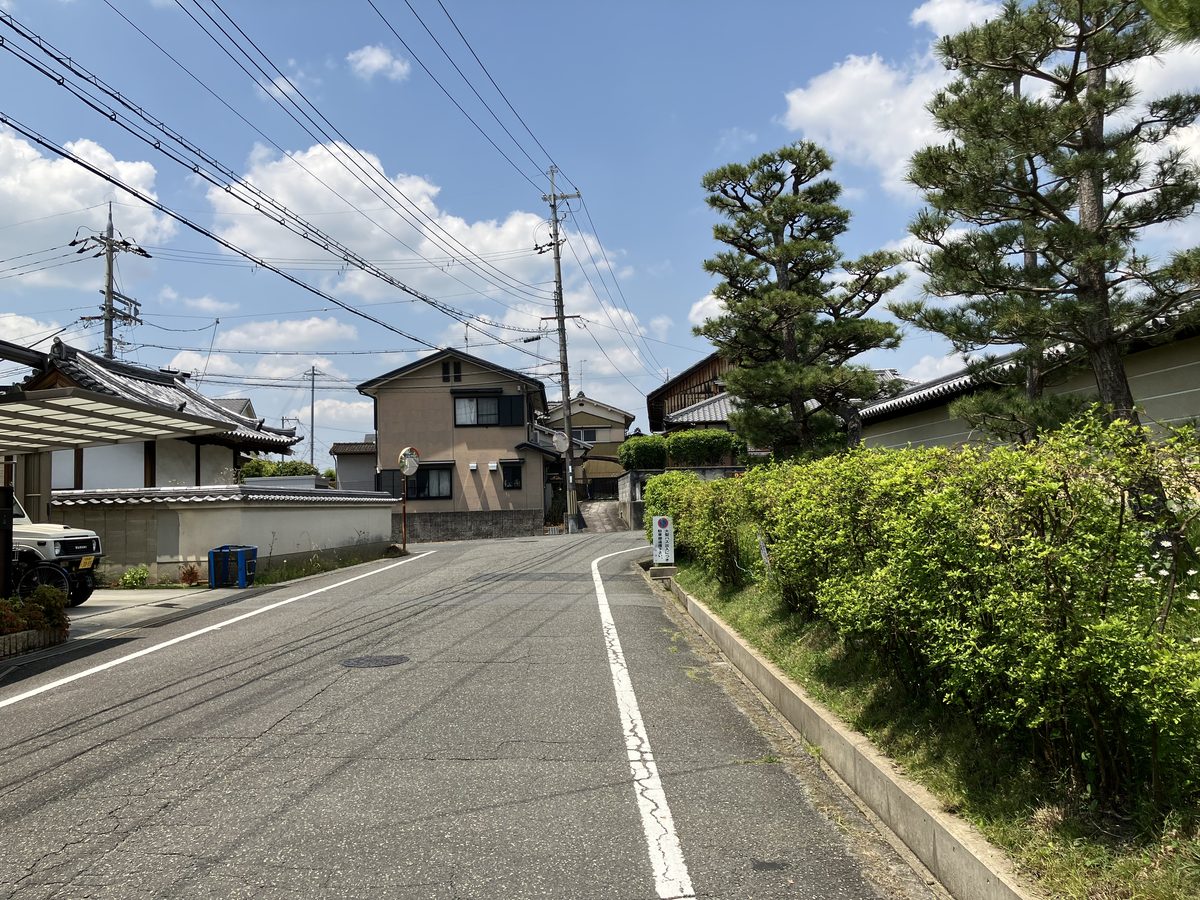
· Route: Head straight back the way you came (heading south), then turn right at the intersection and proceed west to reach the temple.
Getting to Hokkeji Temple from Kairyuoji
🏨 Staying Overnight in Nara?
If you are looking for a place to stay in Nara, you can search for and book hotels and ryokan (Japanese inns) on Klook. Below are some of the places to stay in Nara listed on Klook.
Ad
The Appeal of Hokkeji Temple
How did you enjoy this report?
We have now completed our three-part series covering Article 6 (Futaiji), Article 7 (Kairyuoji), and this time Hokkeji — three temples in the area around Kintetsu Shin-Omiya Station.
I hope you were able to feel the unique appeal of each one.
In fact, if you walk a little further west from Hokkeji, you will reach the eastern side of the Heijo Palace Site. The nearest station to the Heijo Palace Site is Yamato-Saidaiji. I hope to introduce you to that area in a future article.
This blog will continue to share with you places of character that you might not notice — please come and see them for yourself.
Enjoy Hokkeji Temple, a Radiant Nunnery 🌸
Please enjoy Hokkeji Temple, which stands quietly in a peaceful residential area — a world apart from the bustling tourist spots.
Surely, your own unique Nara is waiting for you.