Futaiji Temple: A Timeless Sanctuary Hidden in Nara City (Highlights, Admission, Walking Route)
📢 Affiliate Disclosure: This article may contain affiliate links. If you make a purchase or booking through these links, we may earn a small commission at no extra cost to you. Thank you for your support. → Privacy Policy
🏨 Looking for a place to stay in Nara? → See where to stay
Did you enjoy No. 005 — the Cherry Blossoms of Saho River? I hope it inspired you to visit next spring!
Starting from this article, we head in the opposite direction from the Saho River (northward) from Kintetsu Shin-Omiya Station to explore three ancient temples. First up: Futaiji Temple.
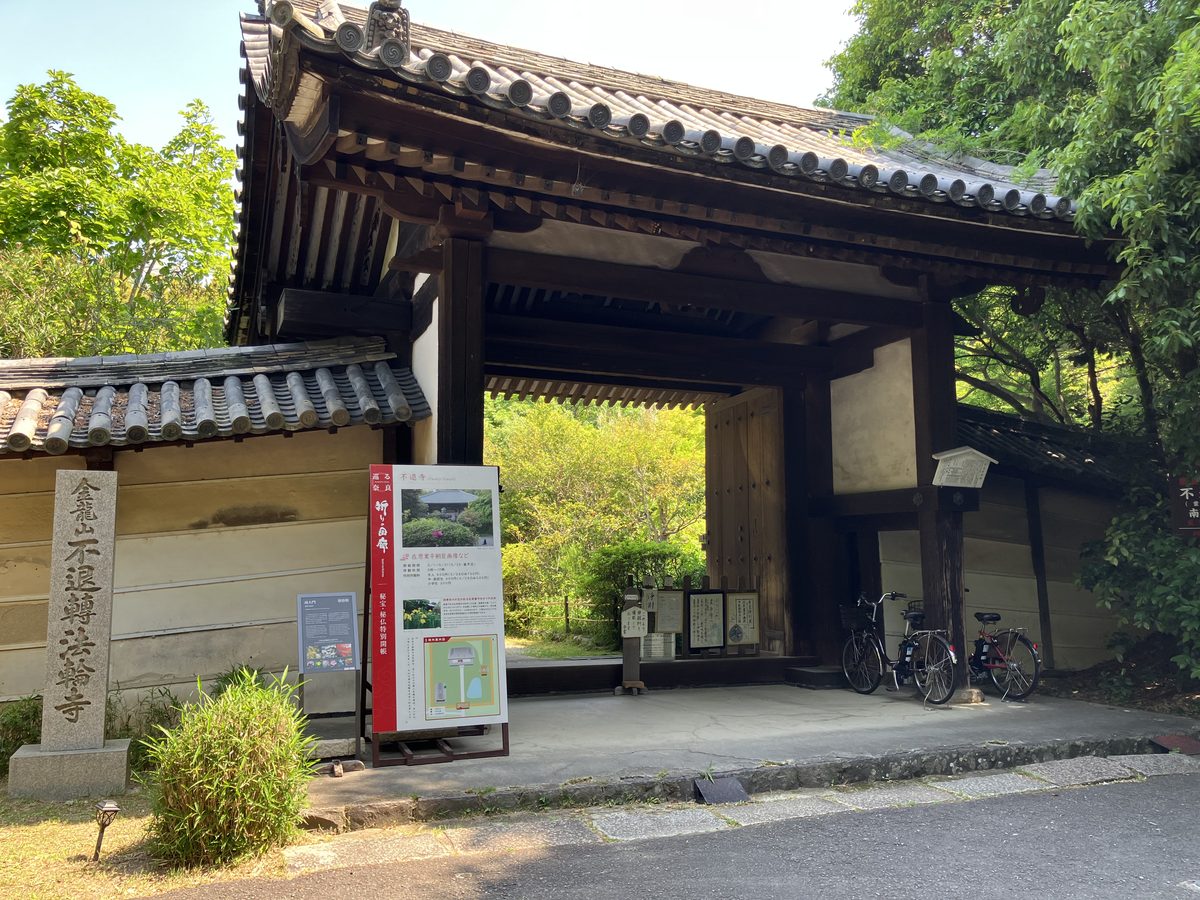
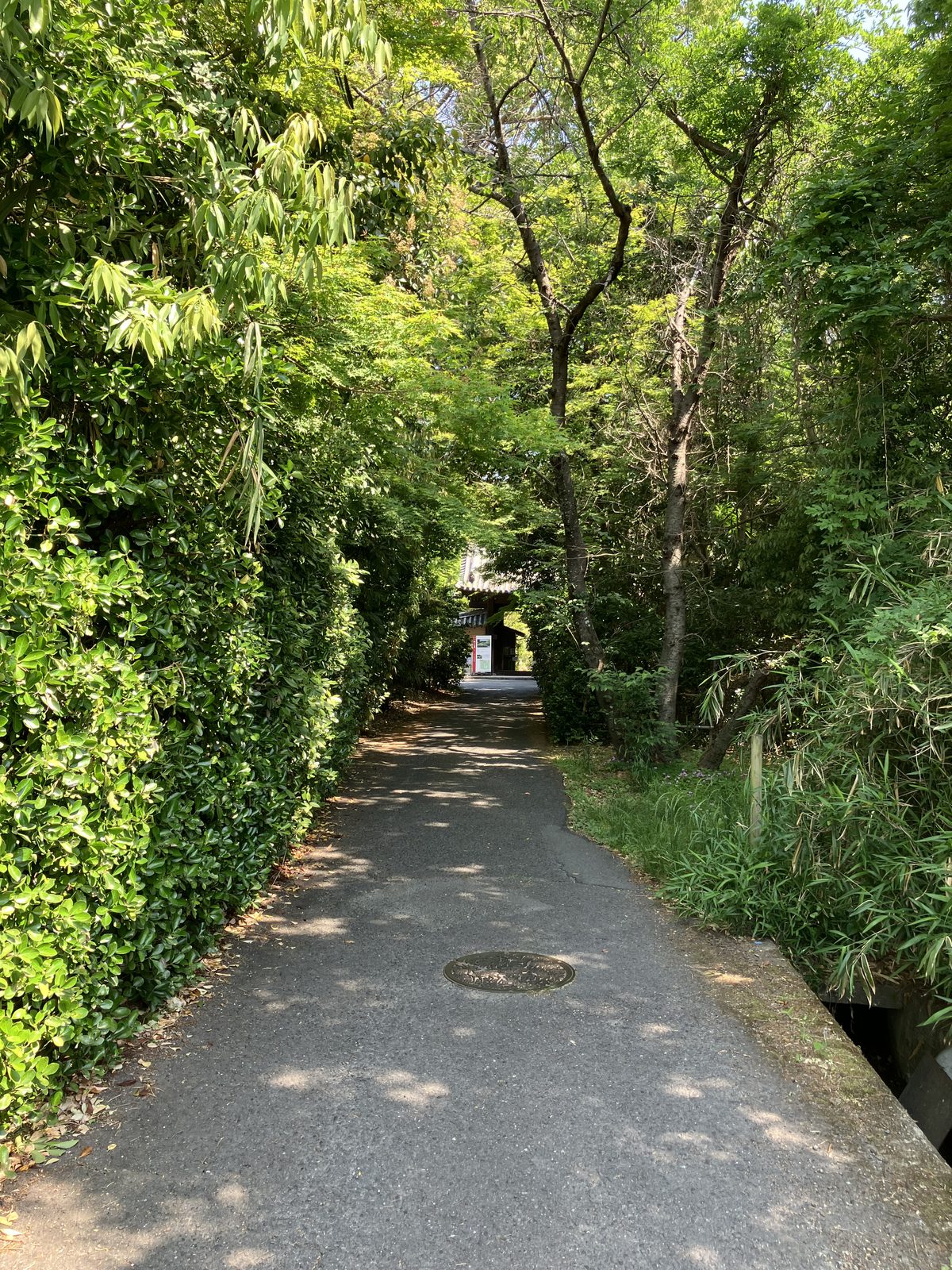
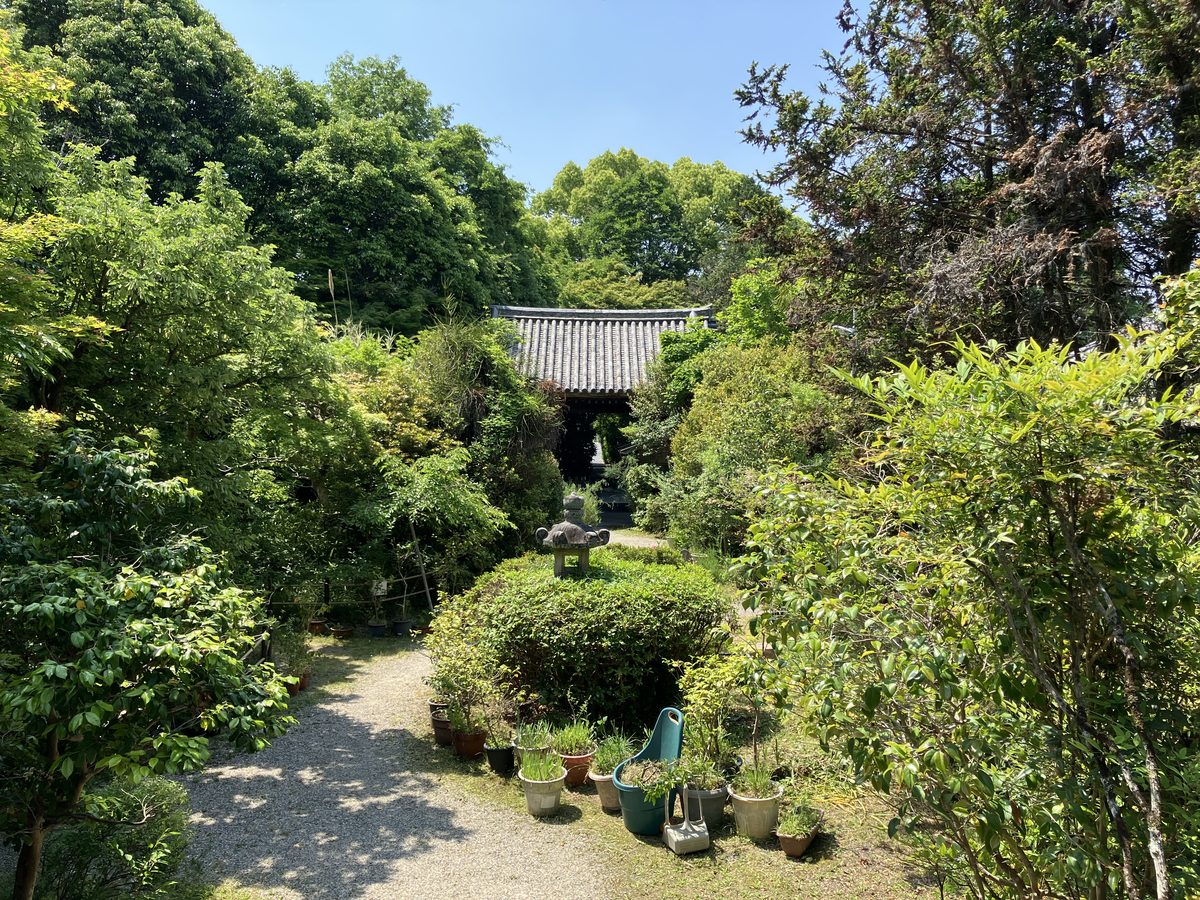
Because of its location, Futaiji may be less familiar to tourists. To be honest, it is a plain, modest temple with no glamour at all. Yet the moment you step through its green tunnel, you enter another world. Steeped in deep history, it is well worth the walk.
The nearest station is Kintetsu Nara Line — Shin-Omiya Station (A27).
It sits right between Yamato-Saidaiji Station (A26) and Kintetsu-Nara Station (A28).
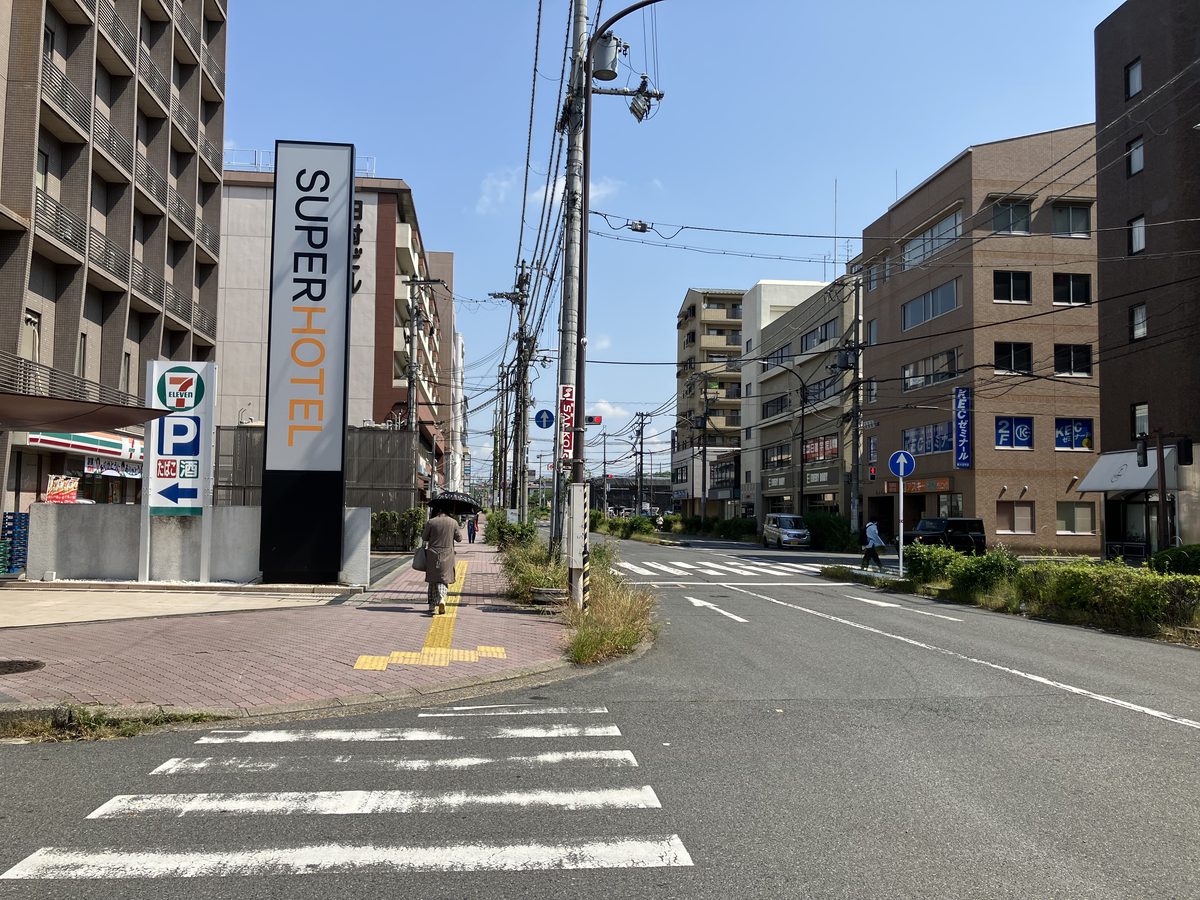
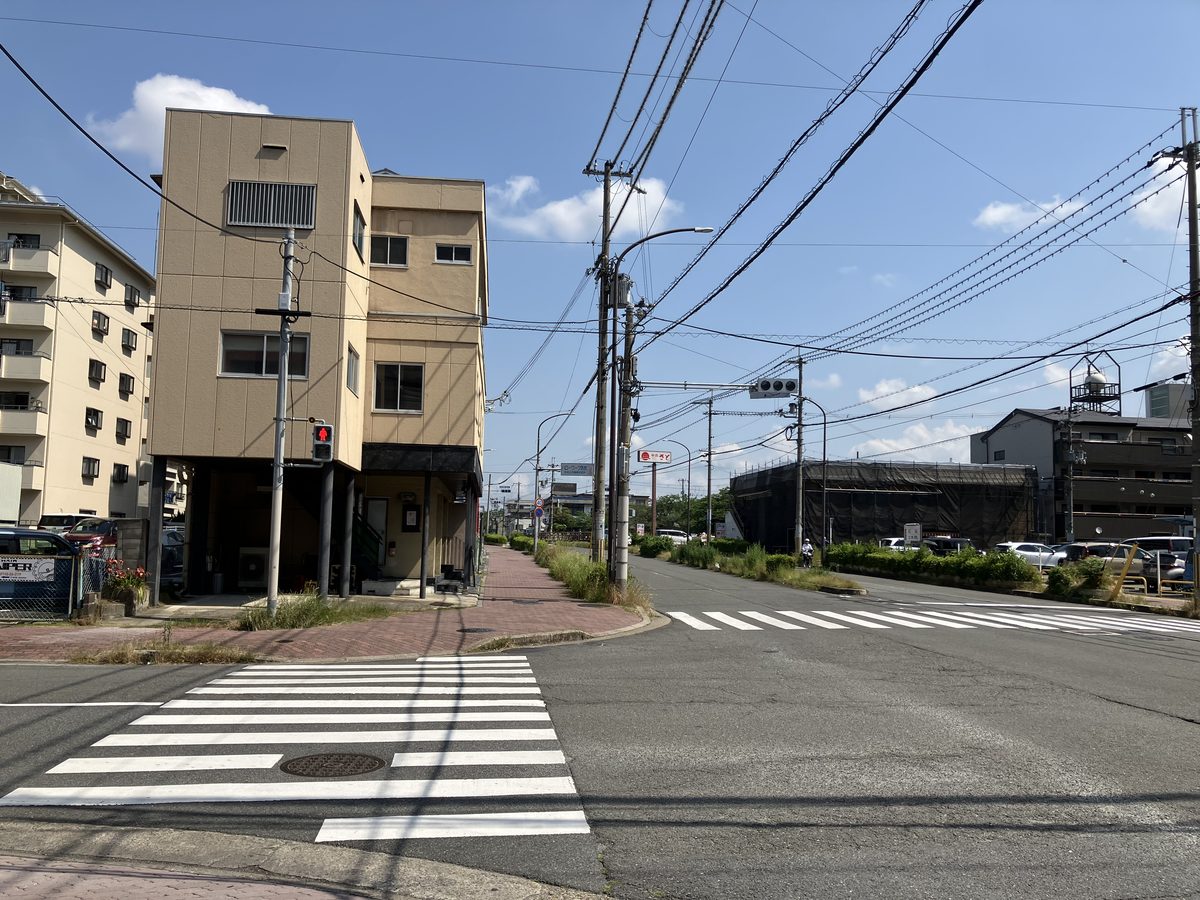
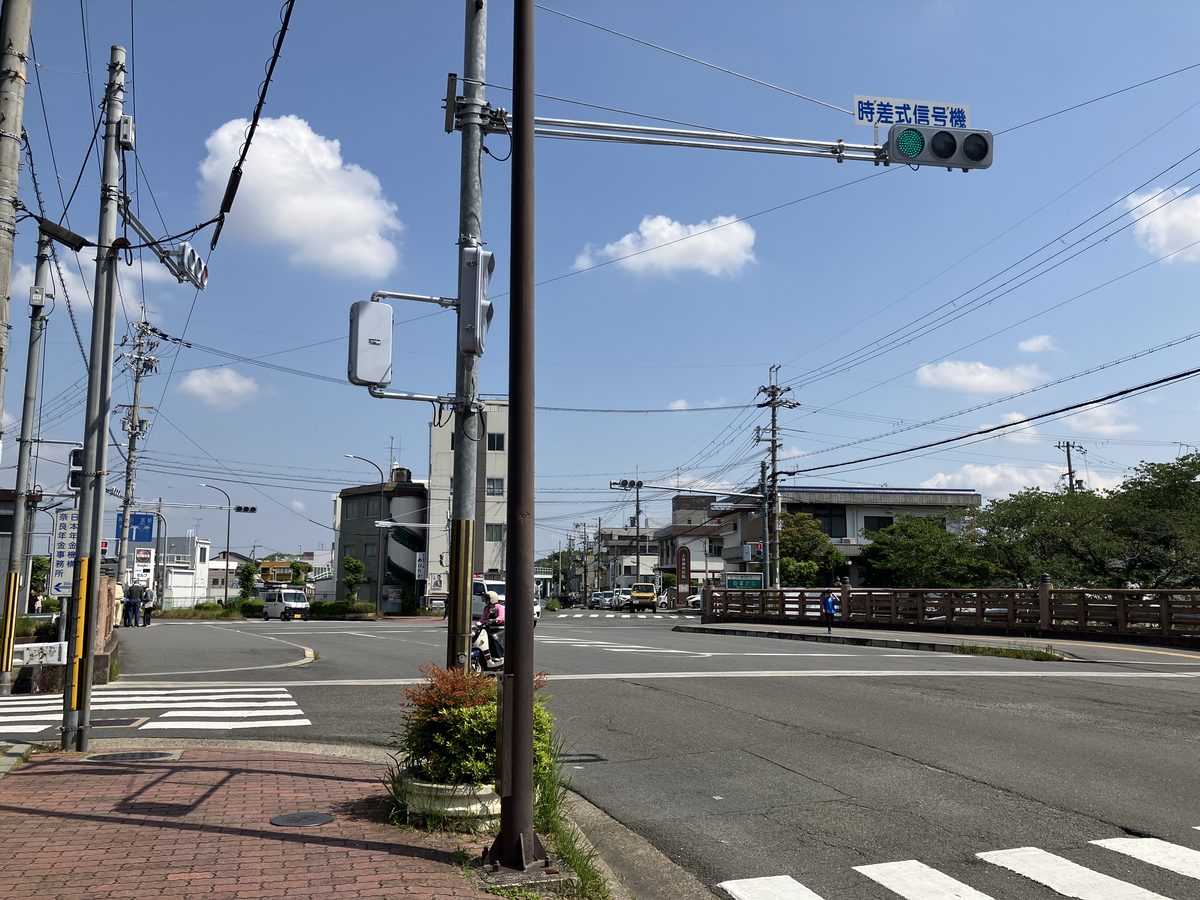
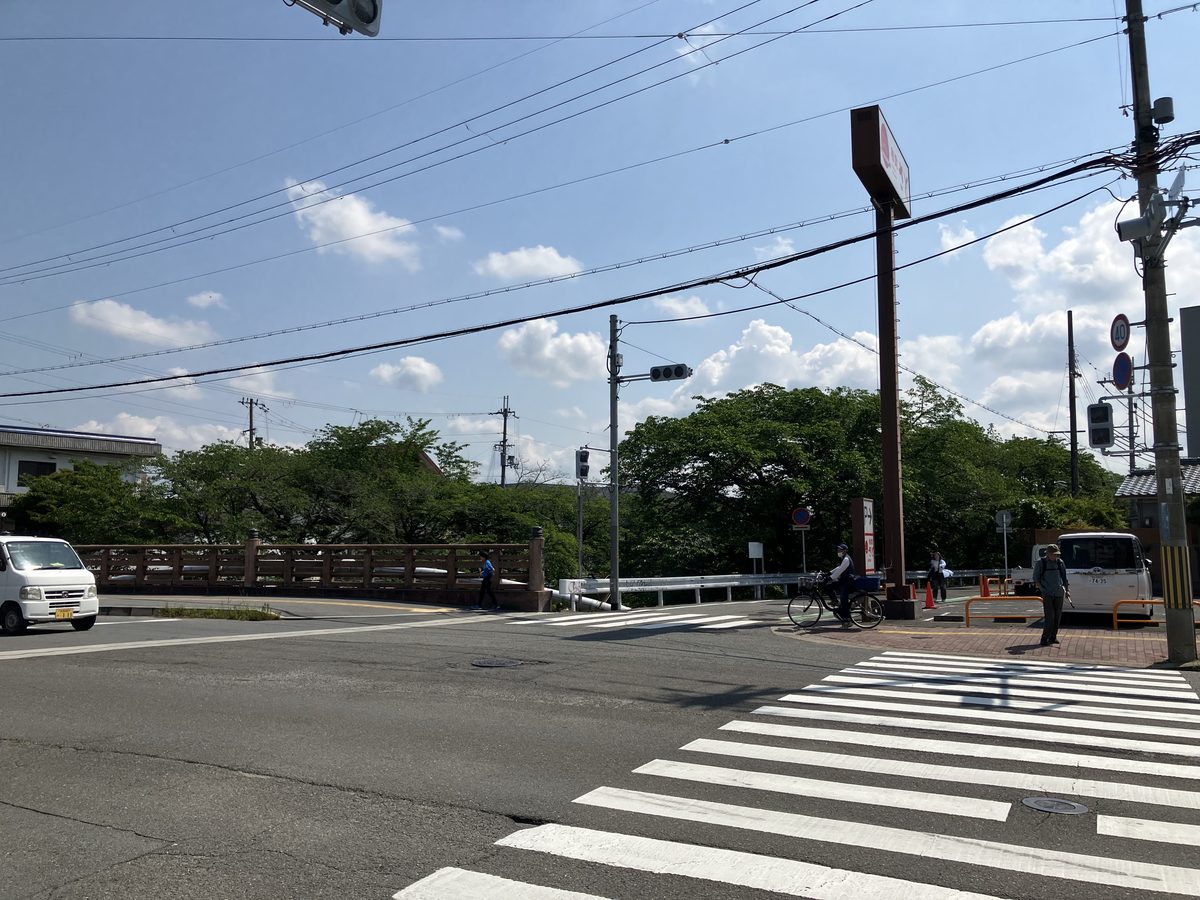
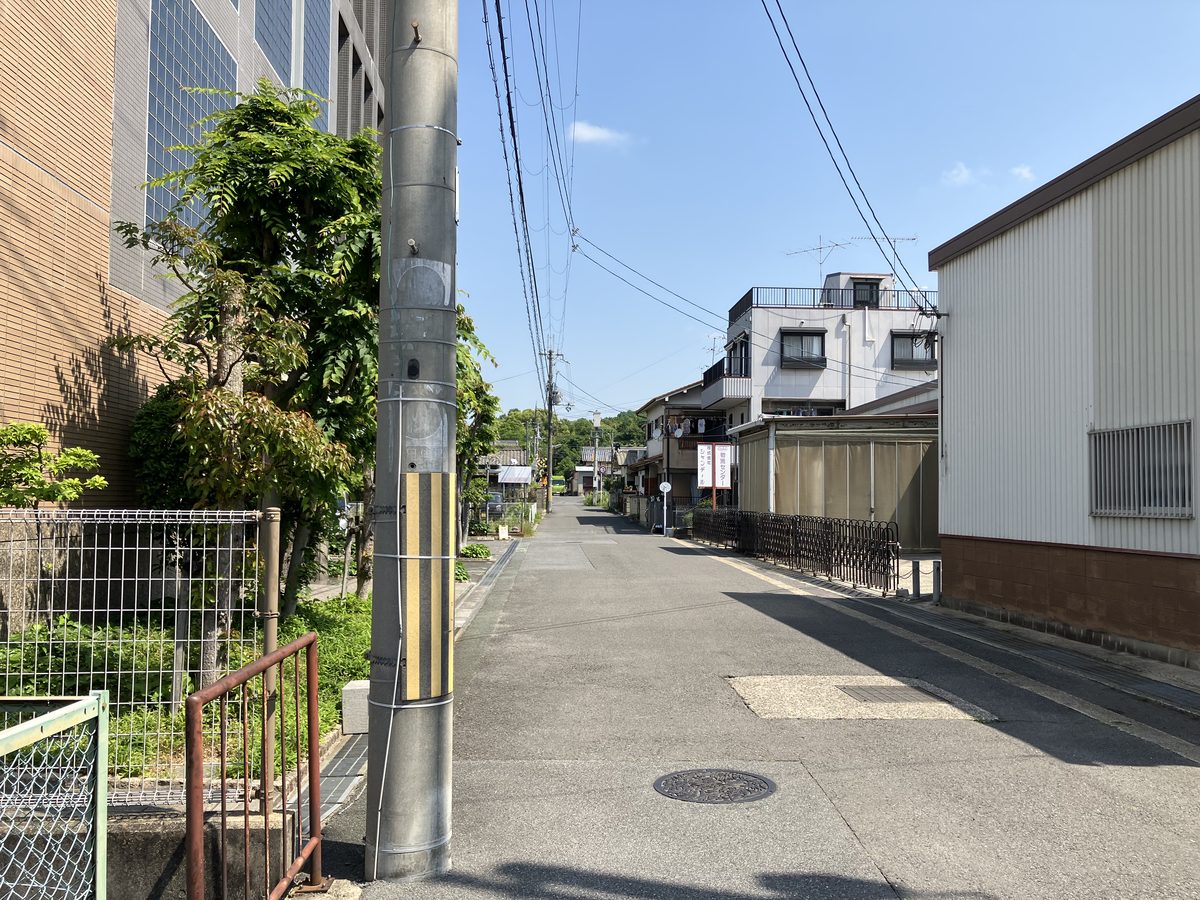
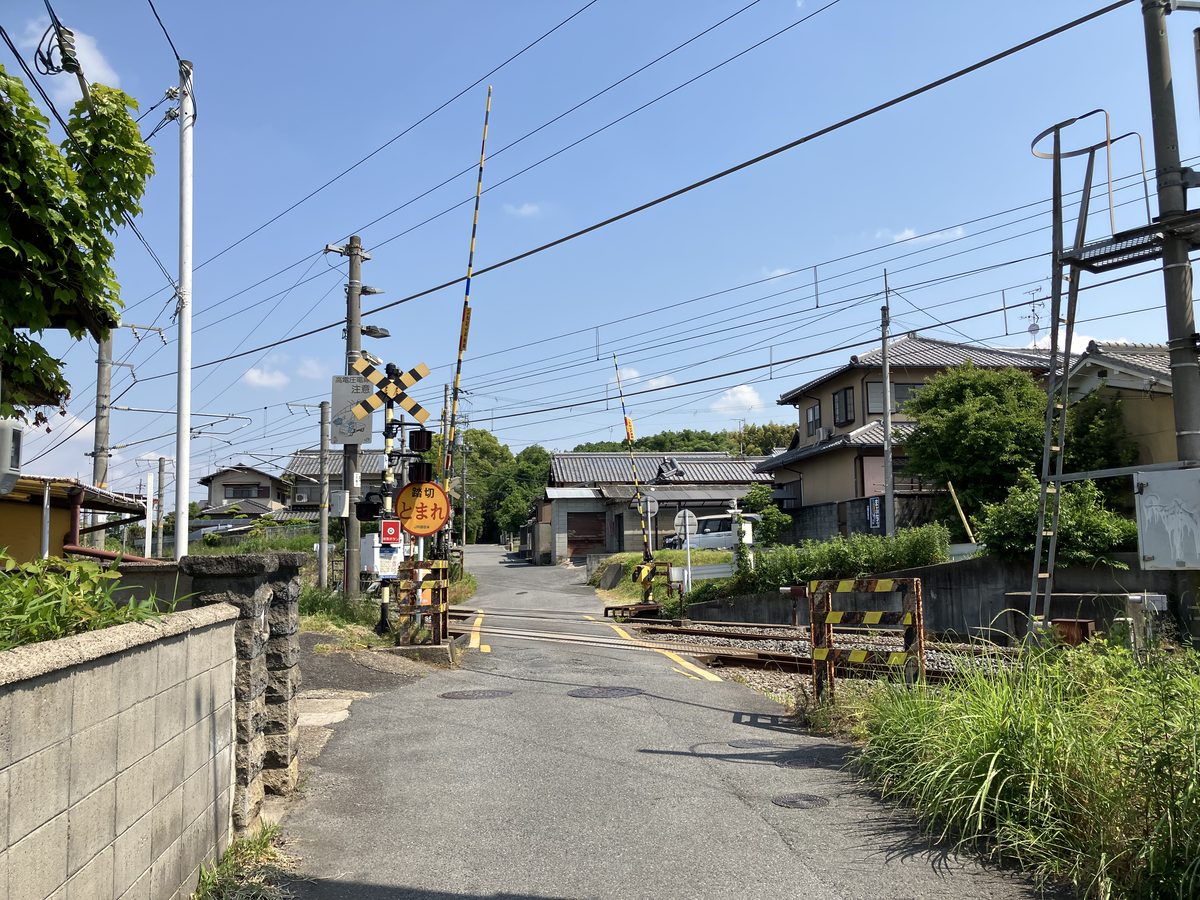
From the station to Futaiji Temple: approximately 20 minutes on foot (about 1.1 km), heading almost straight north.
About Futaiji Temple — Narihira's Temple and the Meaning of "Futai"
Futaiji Temple is associated with Ariwara no Narihira, the legendary waka poet celebrated in the Hyakunin Isshu (One Hundred Poets, One Poem Each). It is also affectionately known as Narihira-dera (Narihira's Temple). Its formal name is Kinryuzan Futaiten Horinji.
From an Emperor's Thatched Residence to Narihira's Temple
According to the temple's own records, this land was once the "Kaya no Gosho" (the Thatched Palace), a thatched-roof residence built northeast of the Heijo capital by Emperor Heizei after he handed the throne to his younger brother, Emperor Saga, in 809. Later, his son Prince Abo and grandson Ariwara no Narihira are said to have lived on this very same ground.
In 847, Narihira turned his grandfather's former residence into a temple, carved a statue of Sho Kannon with his own hands, and prayed for the repose of his father, Prince Abo. With the vow "to turn the Wheel of the Dharma and never fall back," he named it Futaiten Horinji — Futaiji for short.
Futai means "never turning back." A man who once stood at the very top of the capital gave up the throne and moved to a small thatched residence. On that site, later generations built a temple named for never turning back. I also wrote about the story behind this name in Today's Wisdom "How You Live Today Is Your Privilege".
Restored by Eison, Just Like Saidaiji and Byakugoji
At the end of the Heian period, in 1181, the temple's halls were burned in the fires that swept Nara's temples. In the Kamakura period, Futaiji was restored by the monk Eison (Kosho Bosatsu) — the same monk who revived Saidaiji Temple (No. 002). Just like Byakugoji Temple (No. 004), the threads of history weave together here in a wonderful way. The temple belongs to the Shingon Ritsu sect, the same as Saidaiji.
The Temple of the "Chihayaburu" Poet
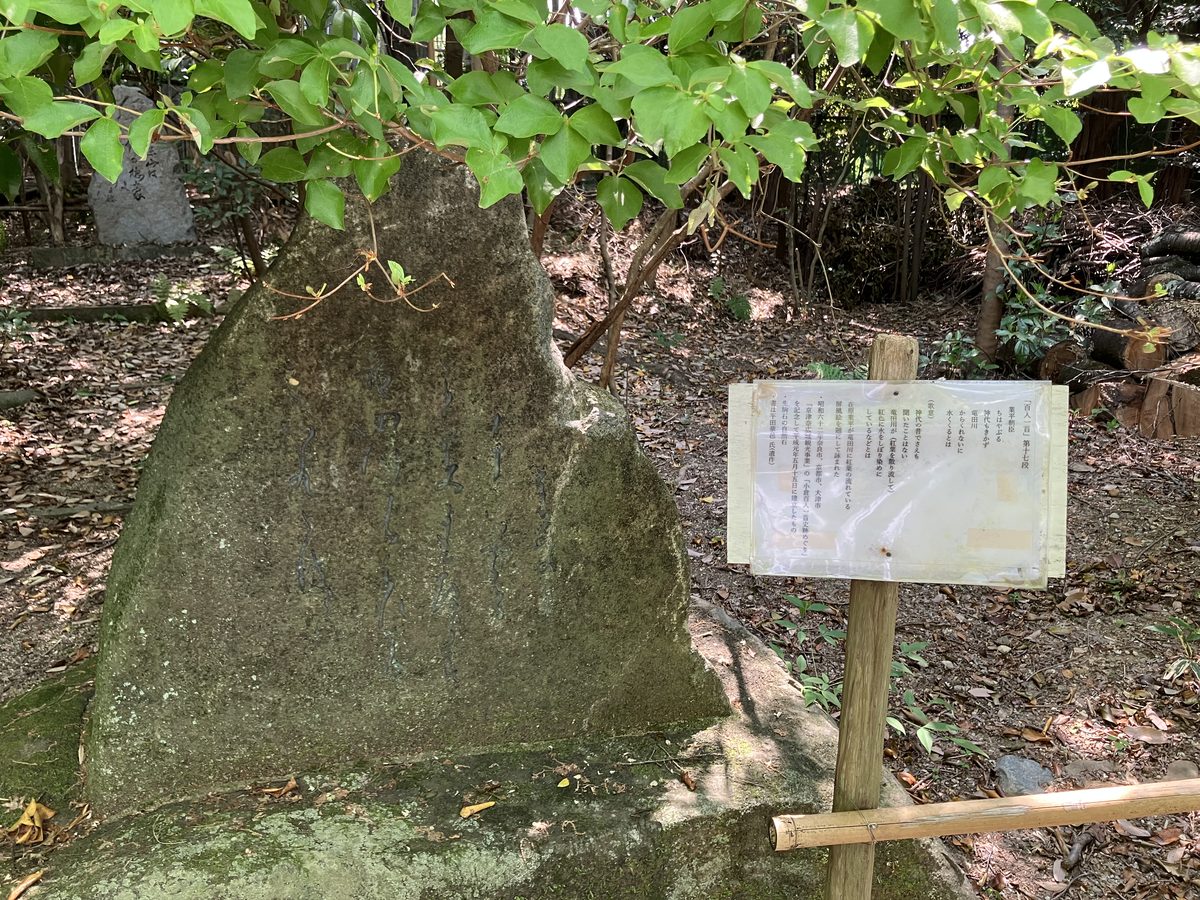
In the temple grounds stands a stone monument carved with Narihira's poem — No. 17 of the Hyakunin Isshu:
Chihayaburu / kamiyo mo kikazu / Tatsutagawa / karakurenai ni / mizu kukuru to wa
(Ariwara no Narihira, Hyakunin Isshu No. 17)
The poem describes autumn leaves dyeing the waters of the Tatsuta River a deep crimson — a sight unheard of even in the age of the gods. It is also known as the poem that gave its name to Chihayafuru, the popular manga and film about competitive karuta. Another monument in the grounds bears a poem from Episode 88 of The Tales of Ise, said to date from Narihira's later years.
Getting There (Basic Info)
Shin-Omiya Station → Futaiji Temple
· Distance: approx. 1.1 km
· Walking time: approx. 20 minutes
· Route: Head almost straight north from the station.
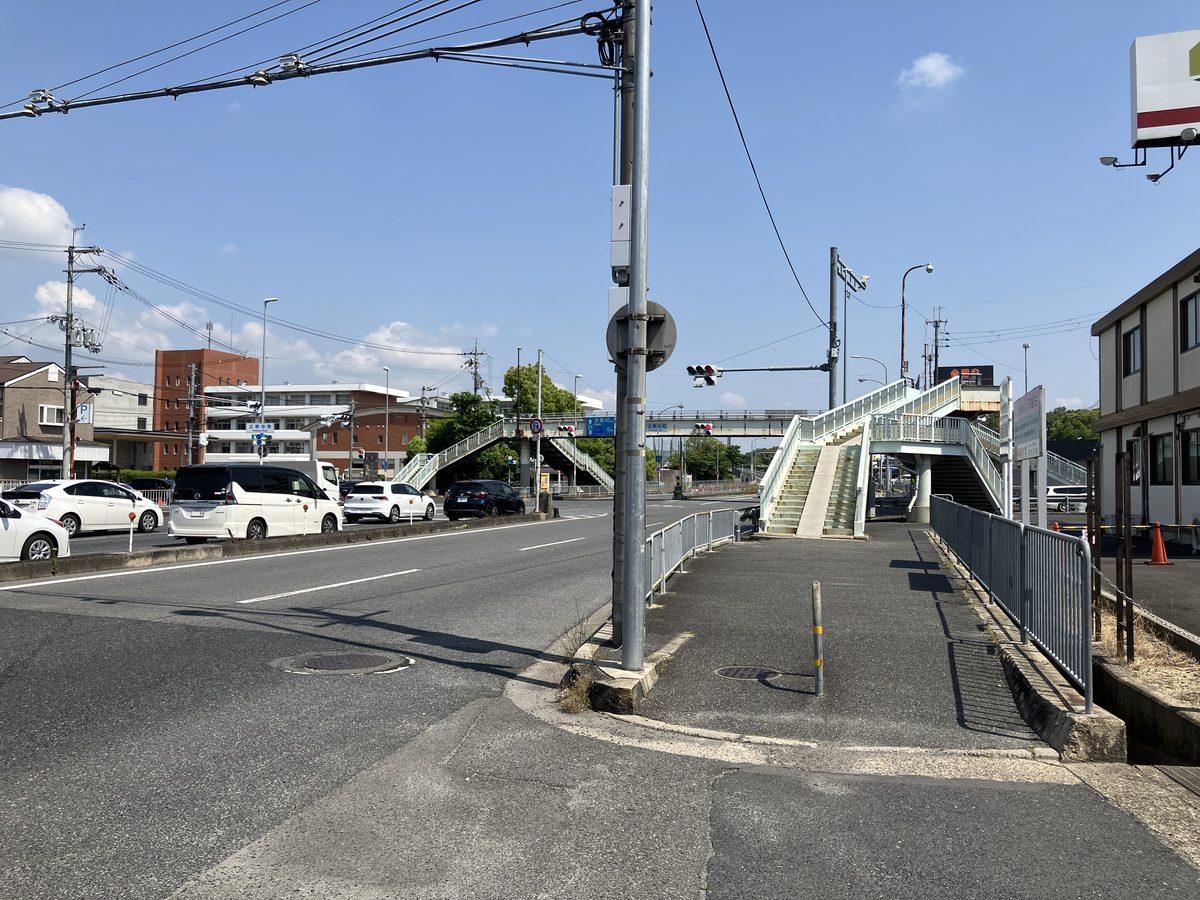
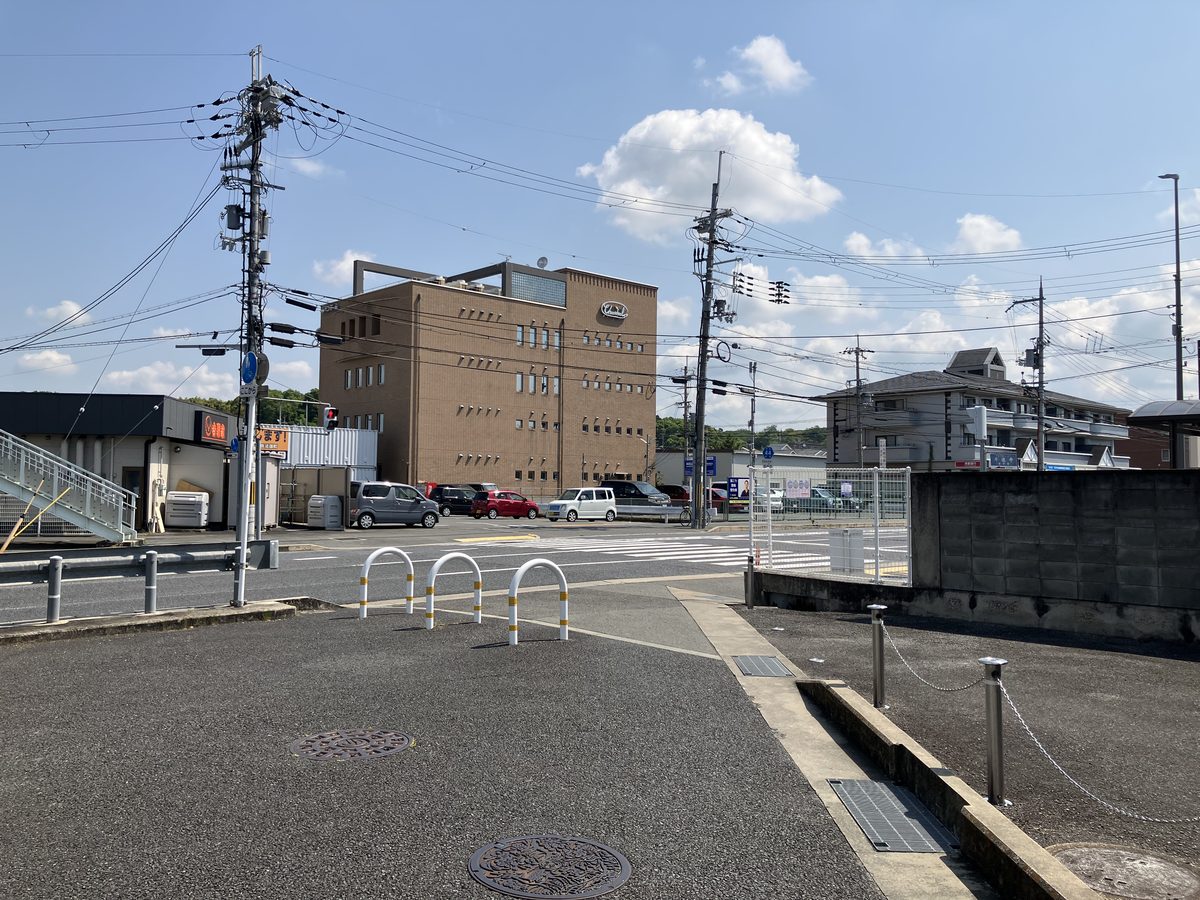
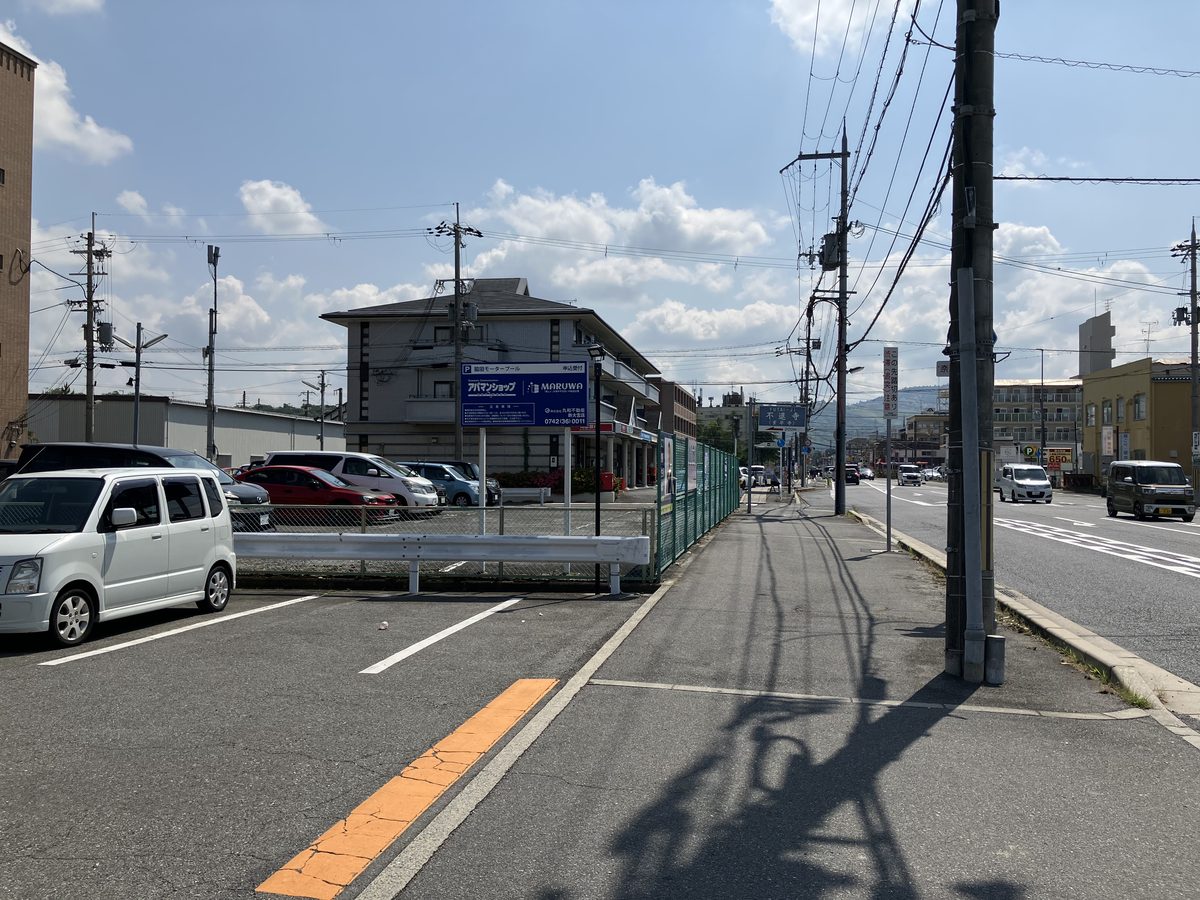
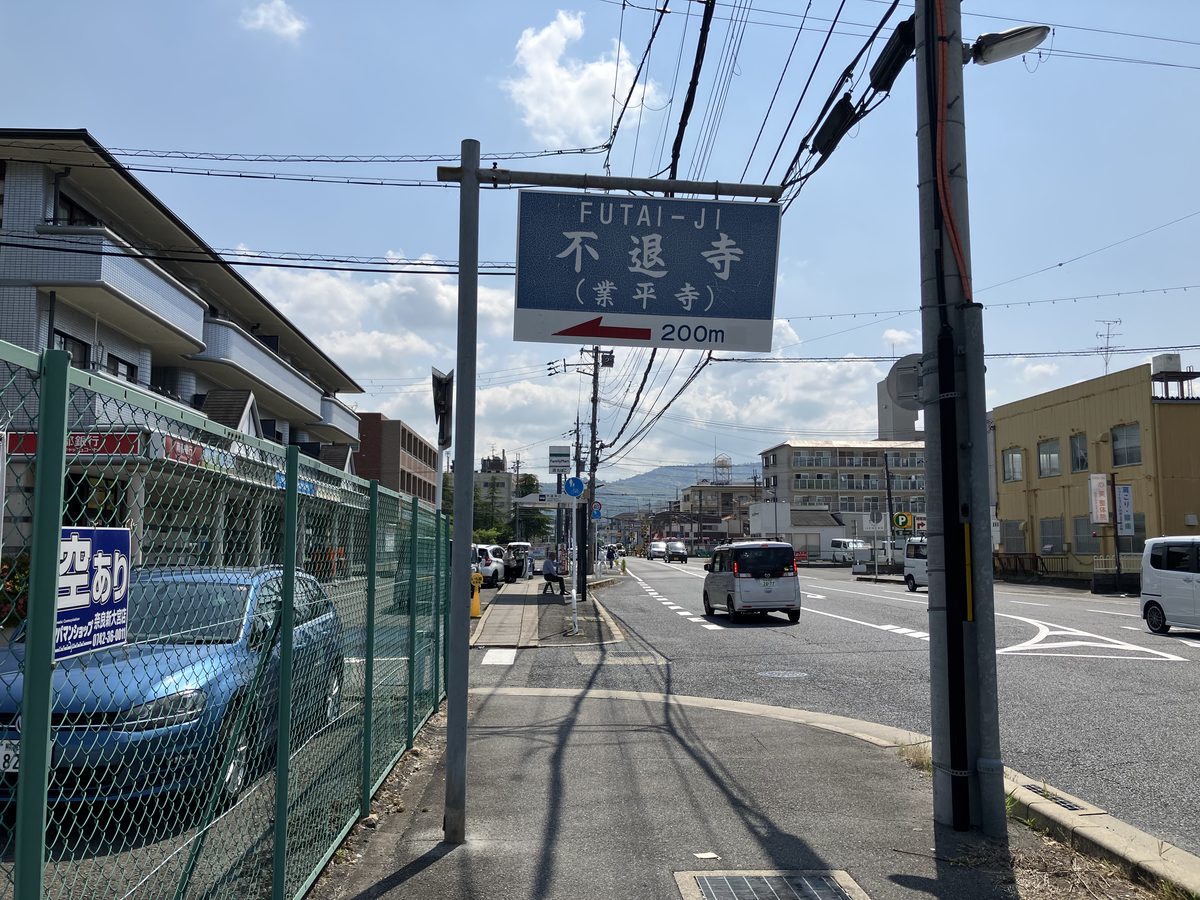
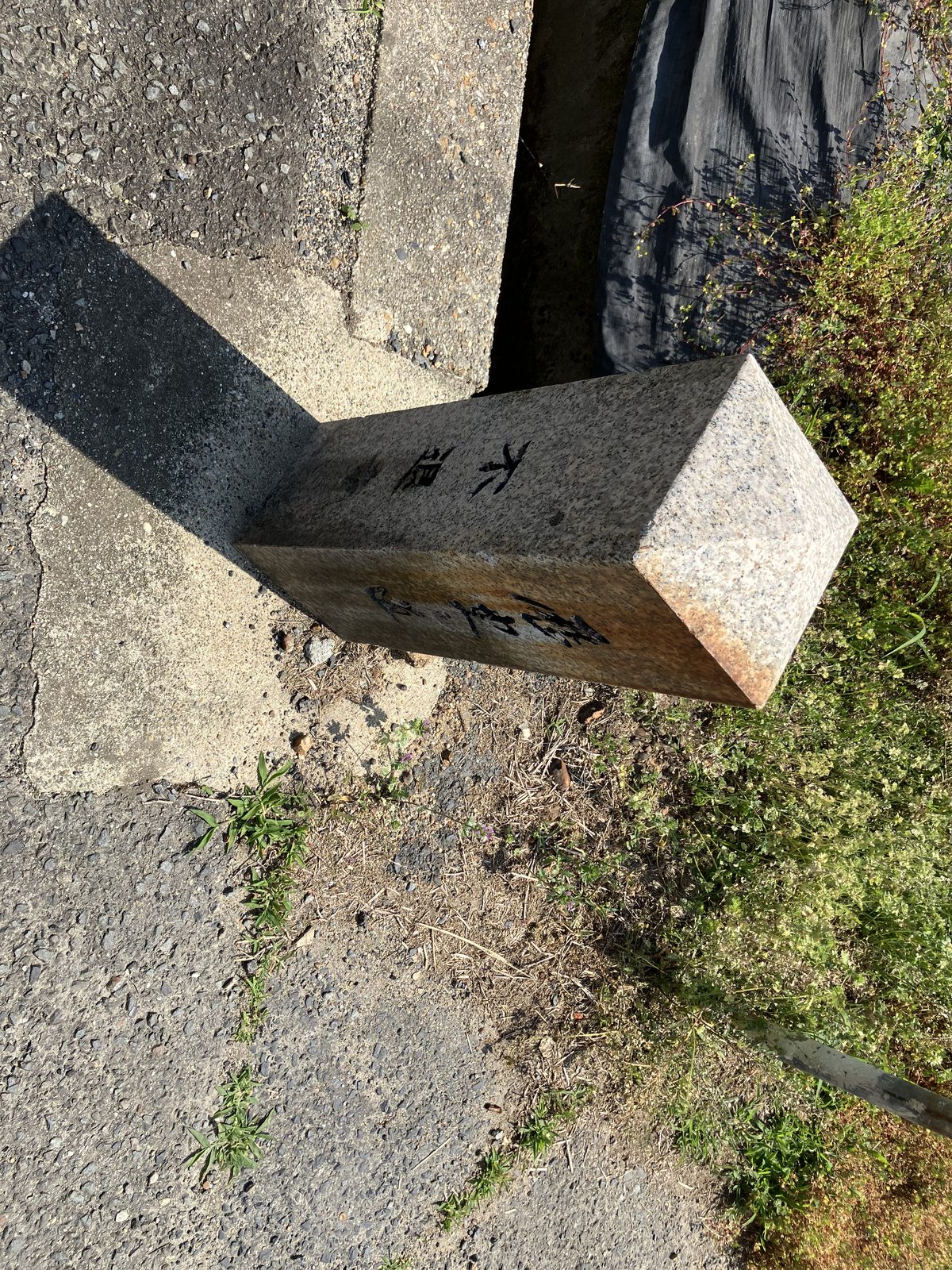
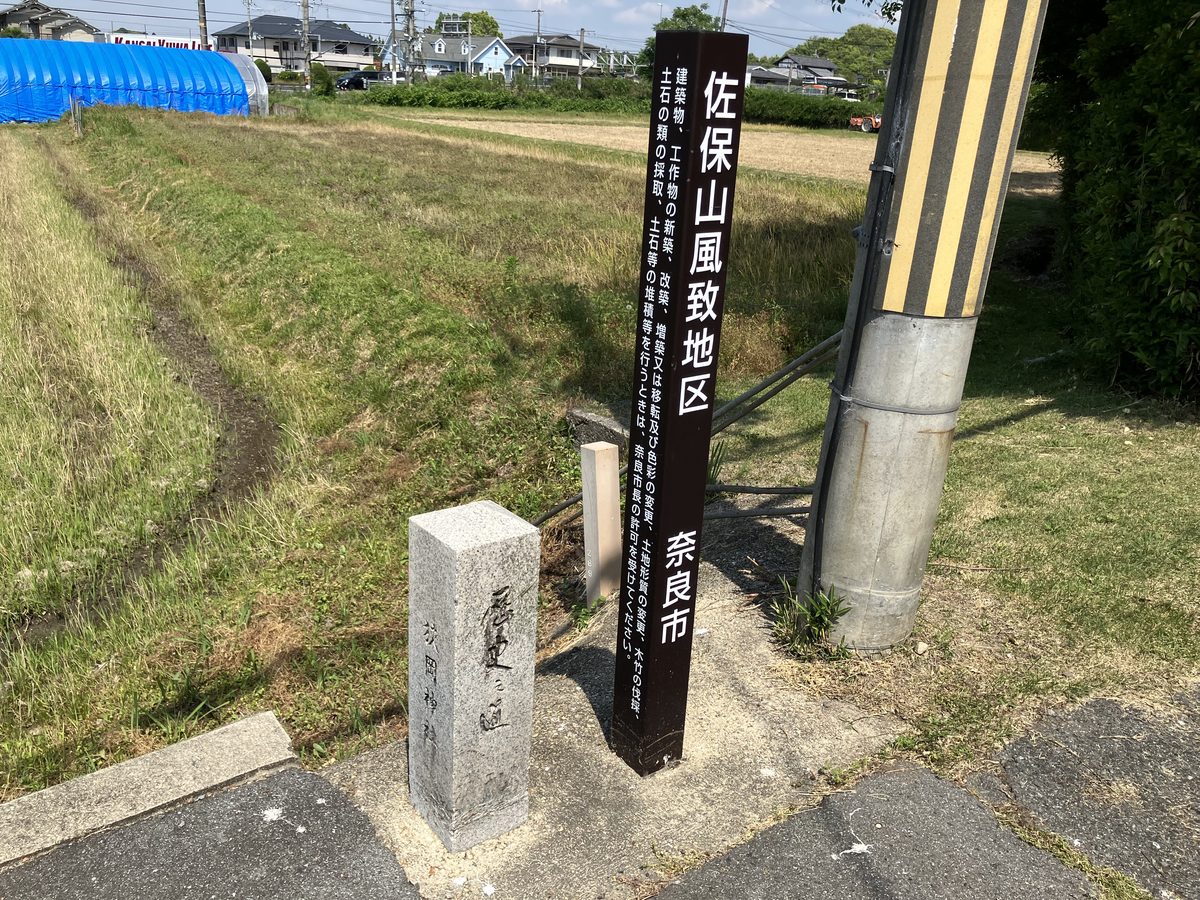
Getting to Futaiji Temple from Shin-Omiya Station
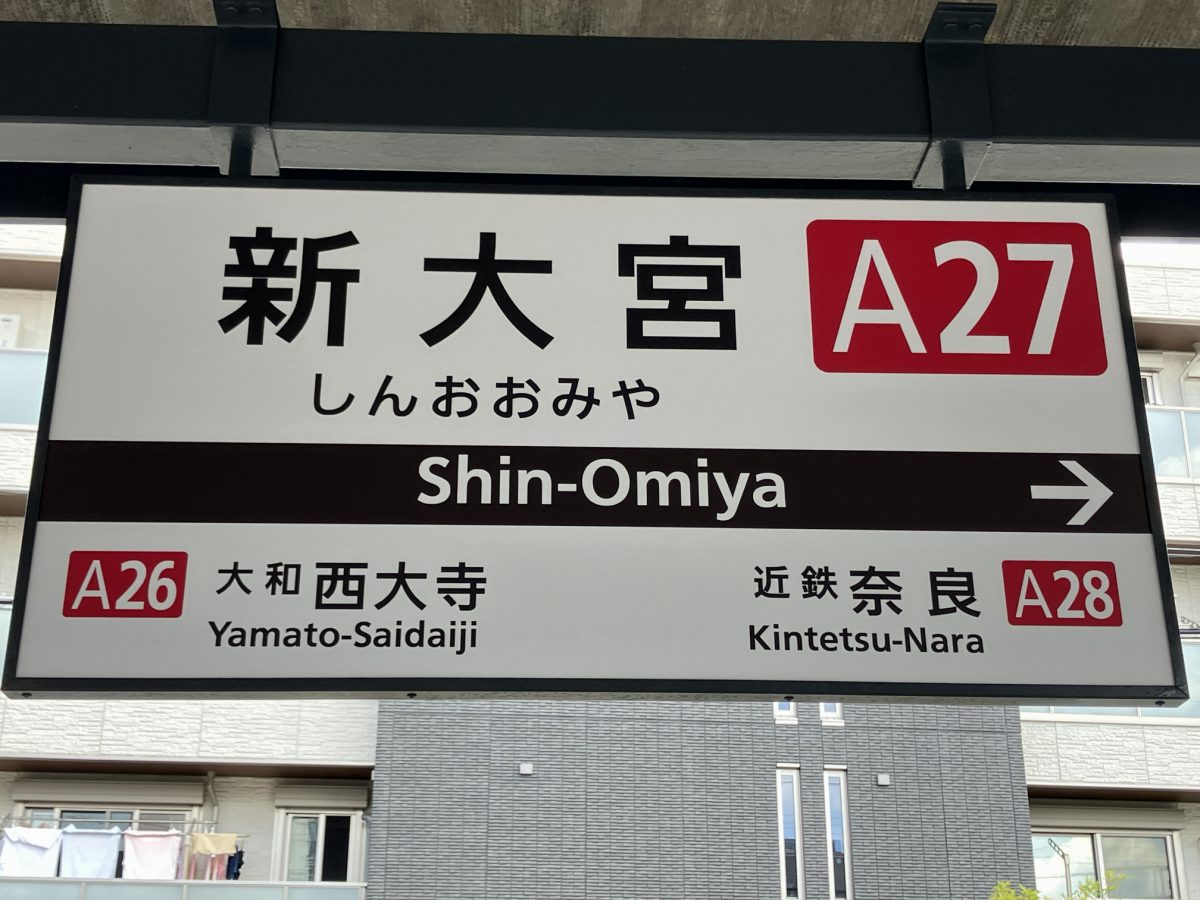
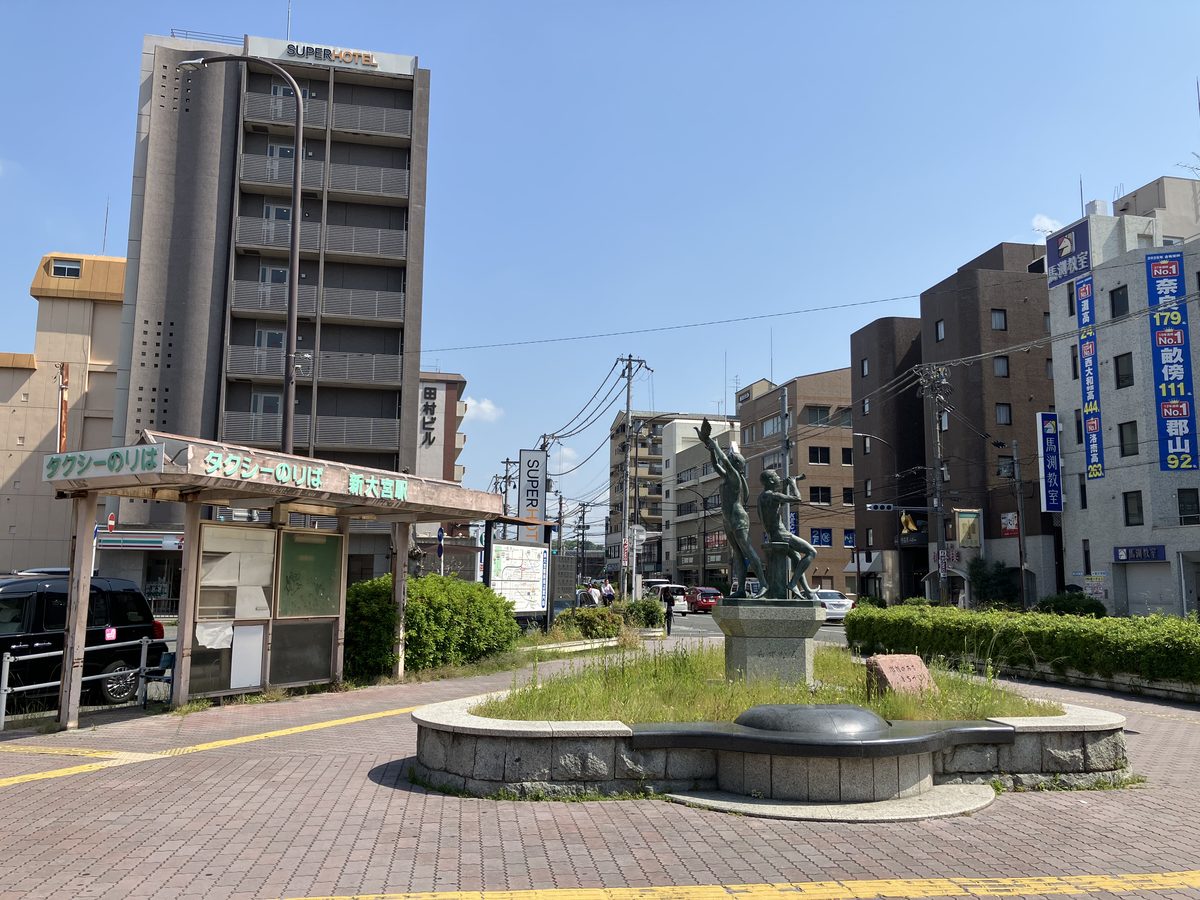
The first few steps differ depending on which direction you arrive from.
【If arriving from Yamato-Saidaiji direction】
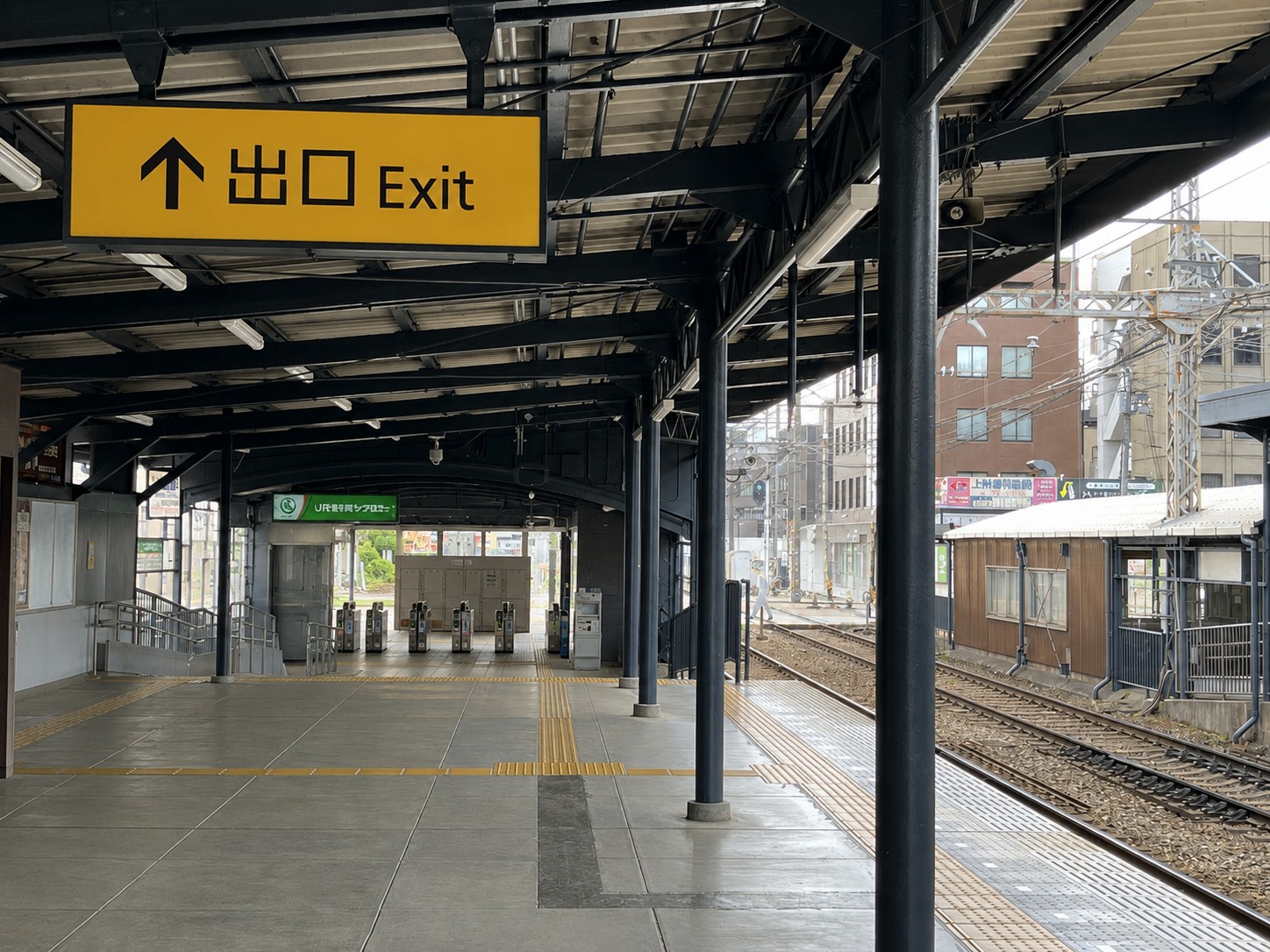
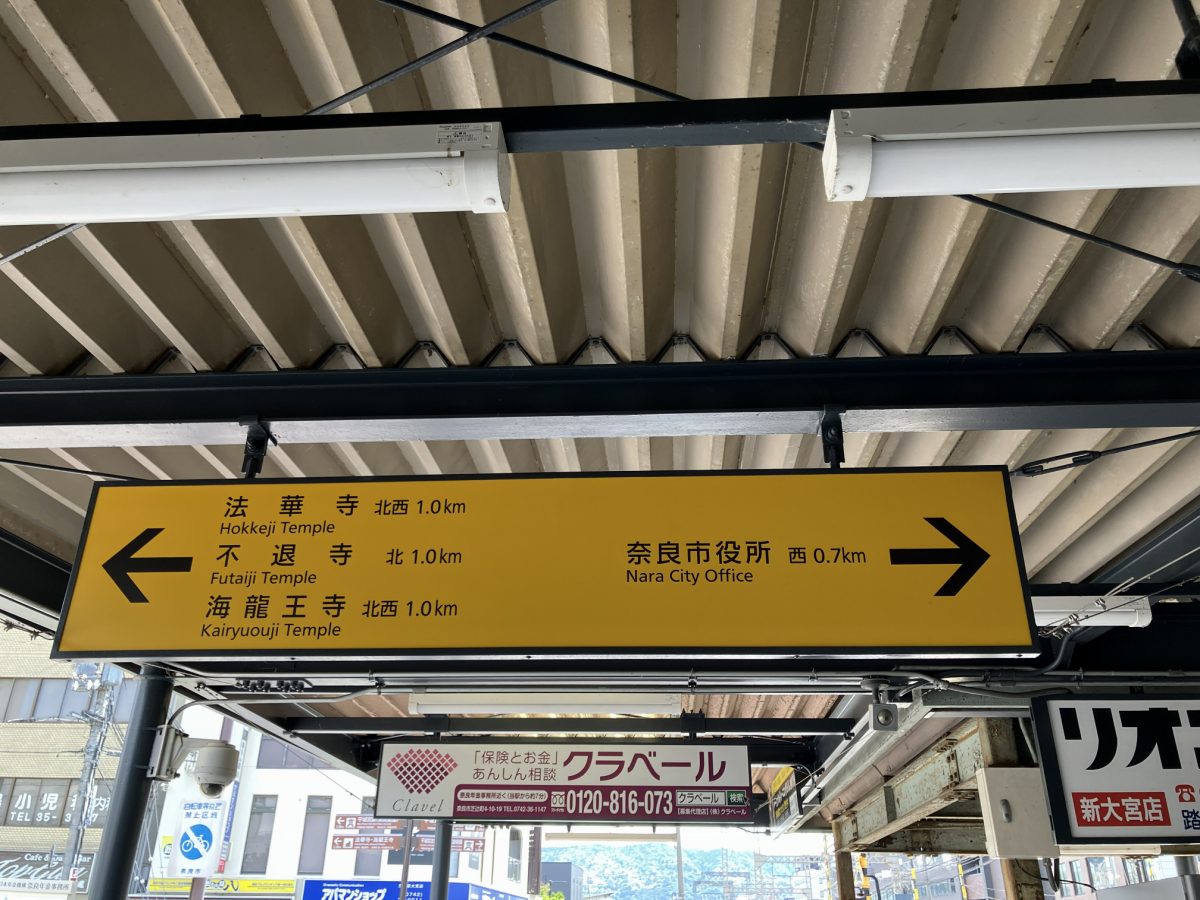
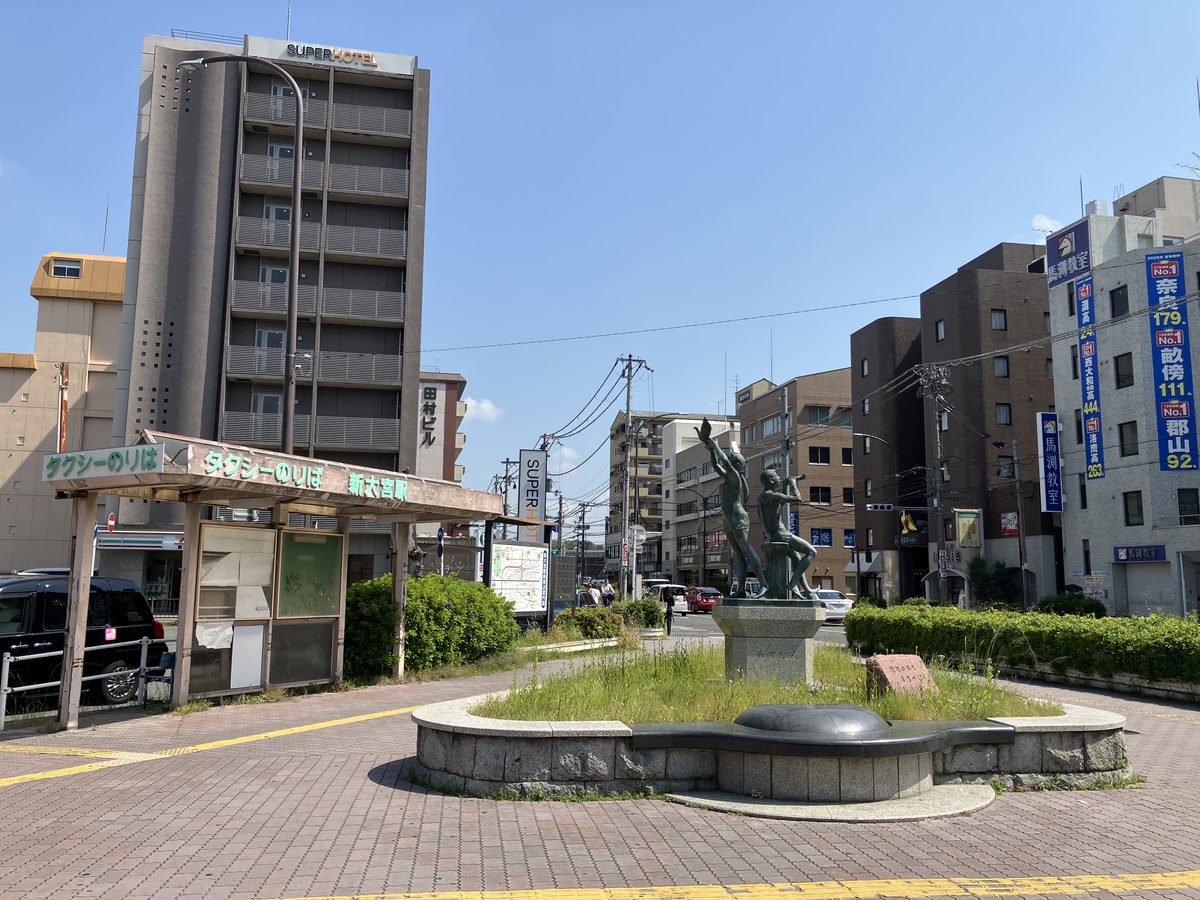
【If arriving from Kintetsu-Nara direction】
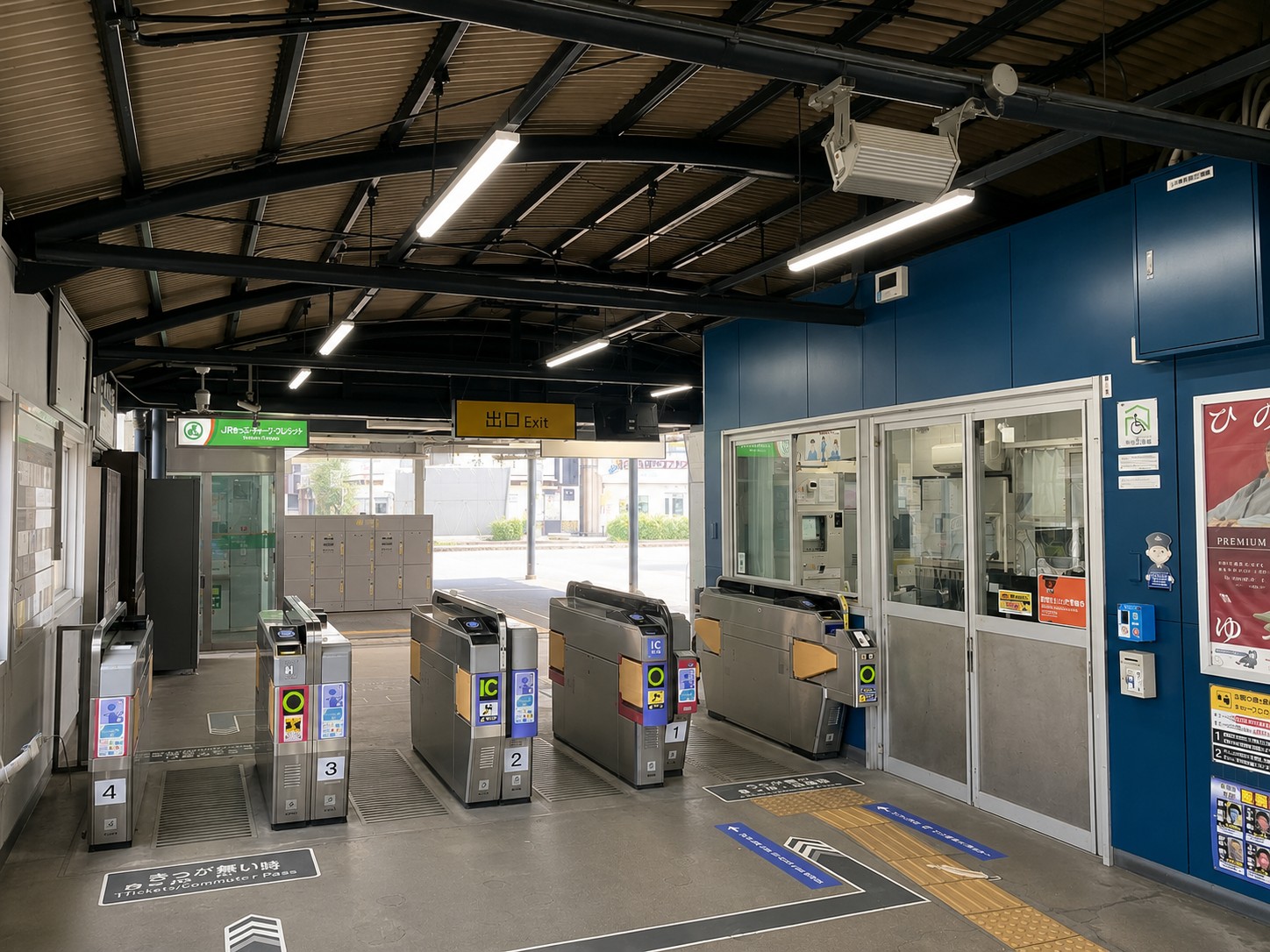
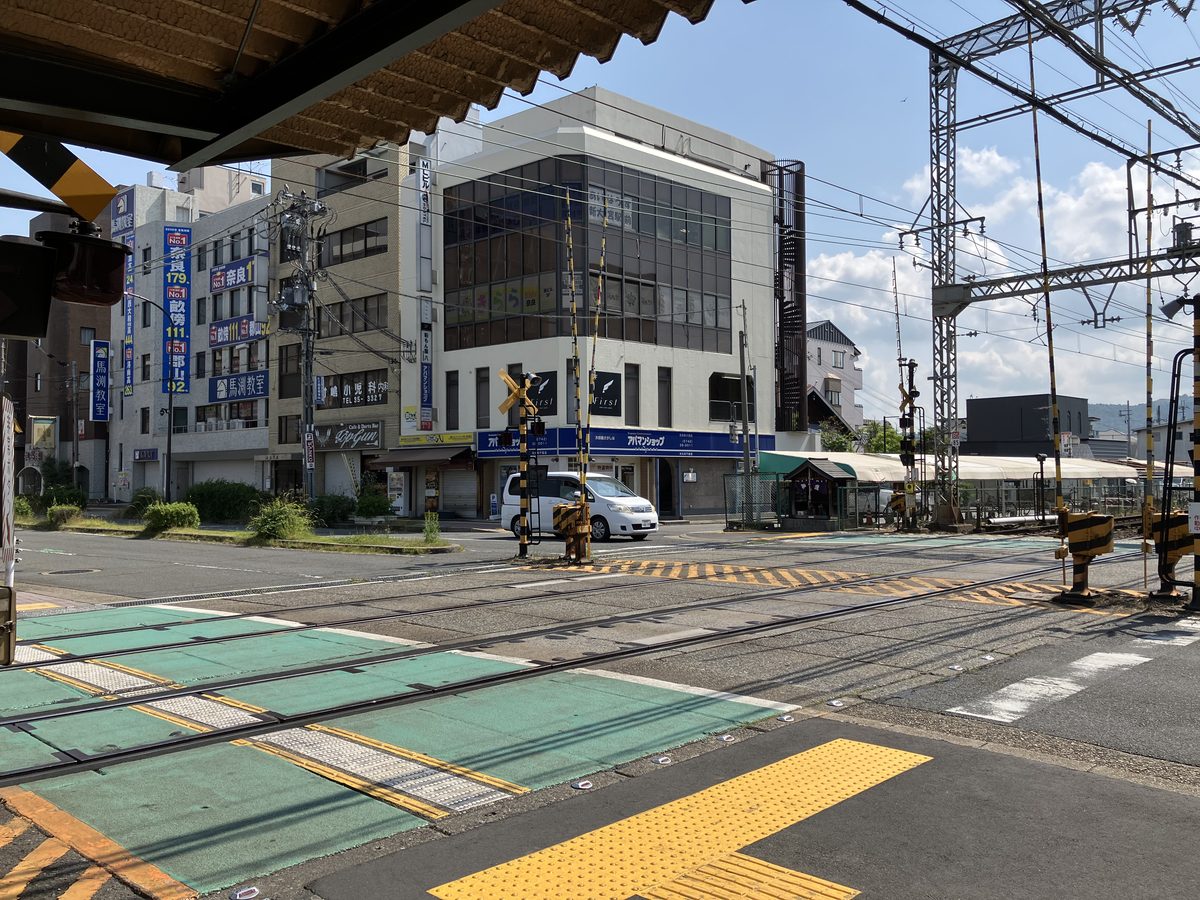
From here, both groups follow the same route.
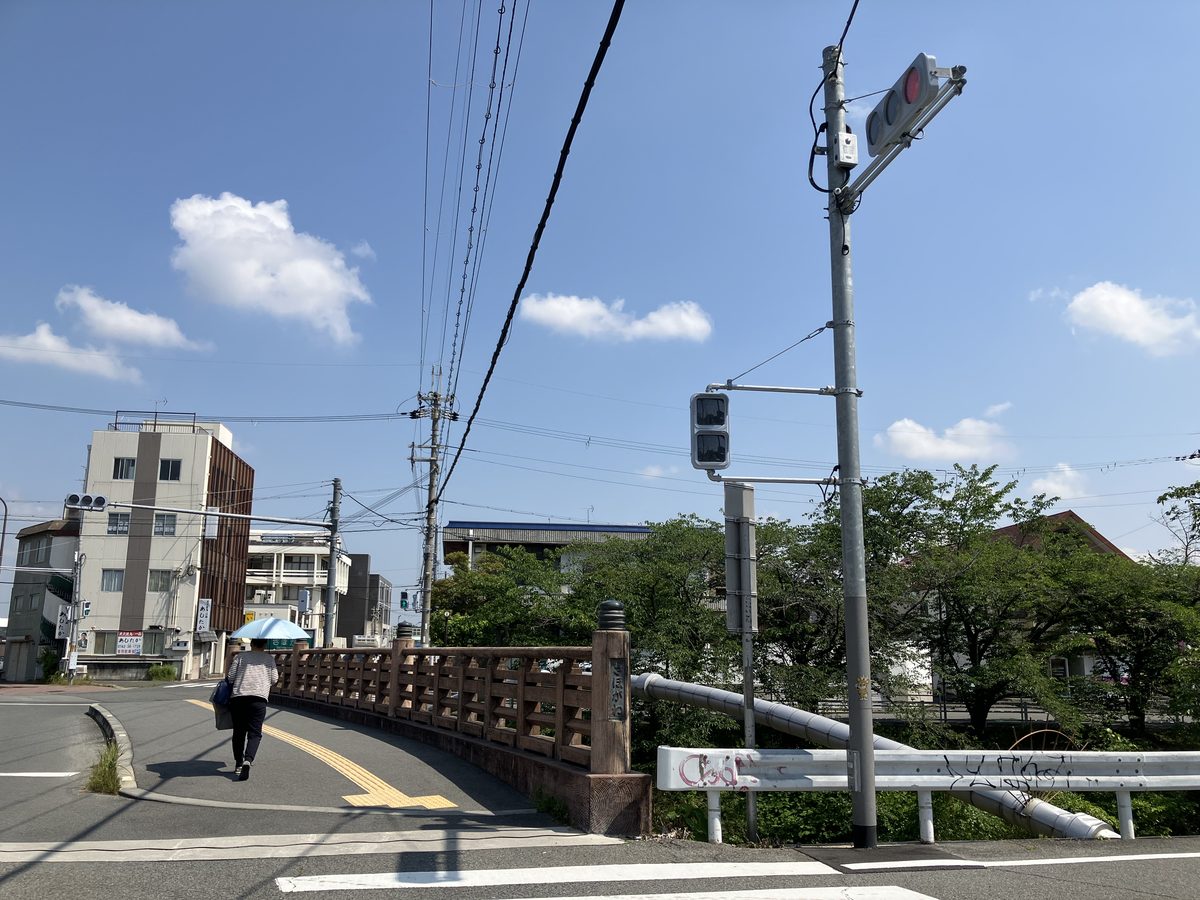
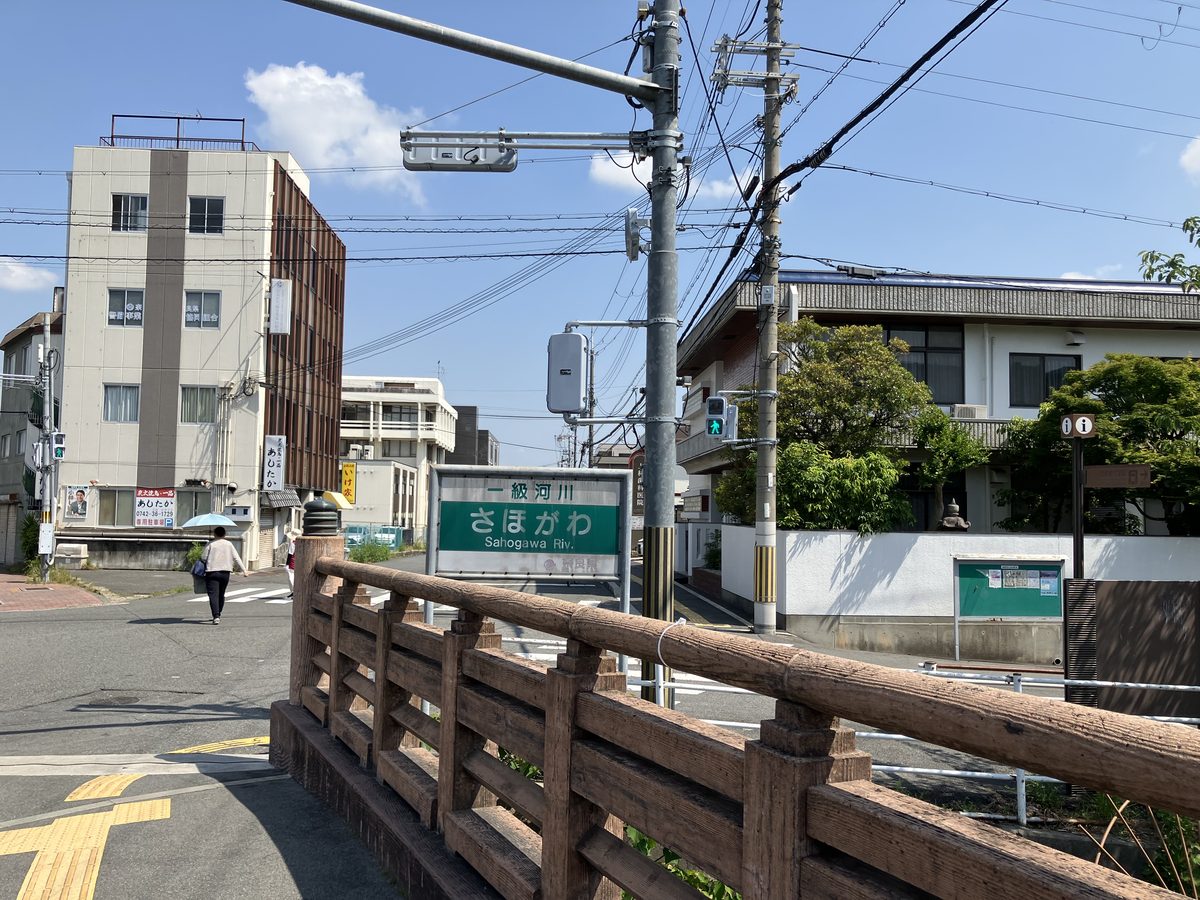
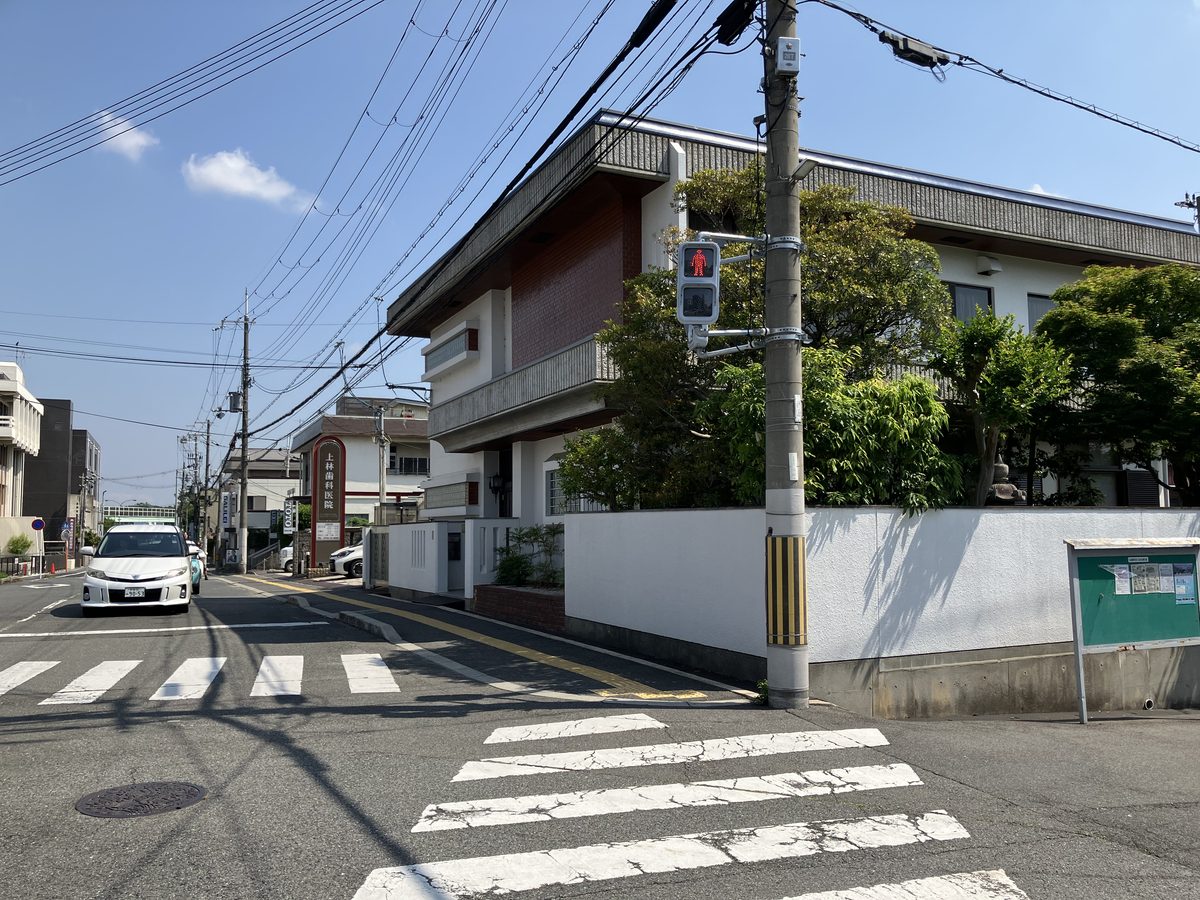

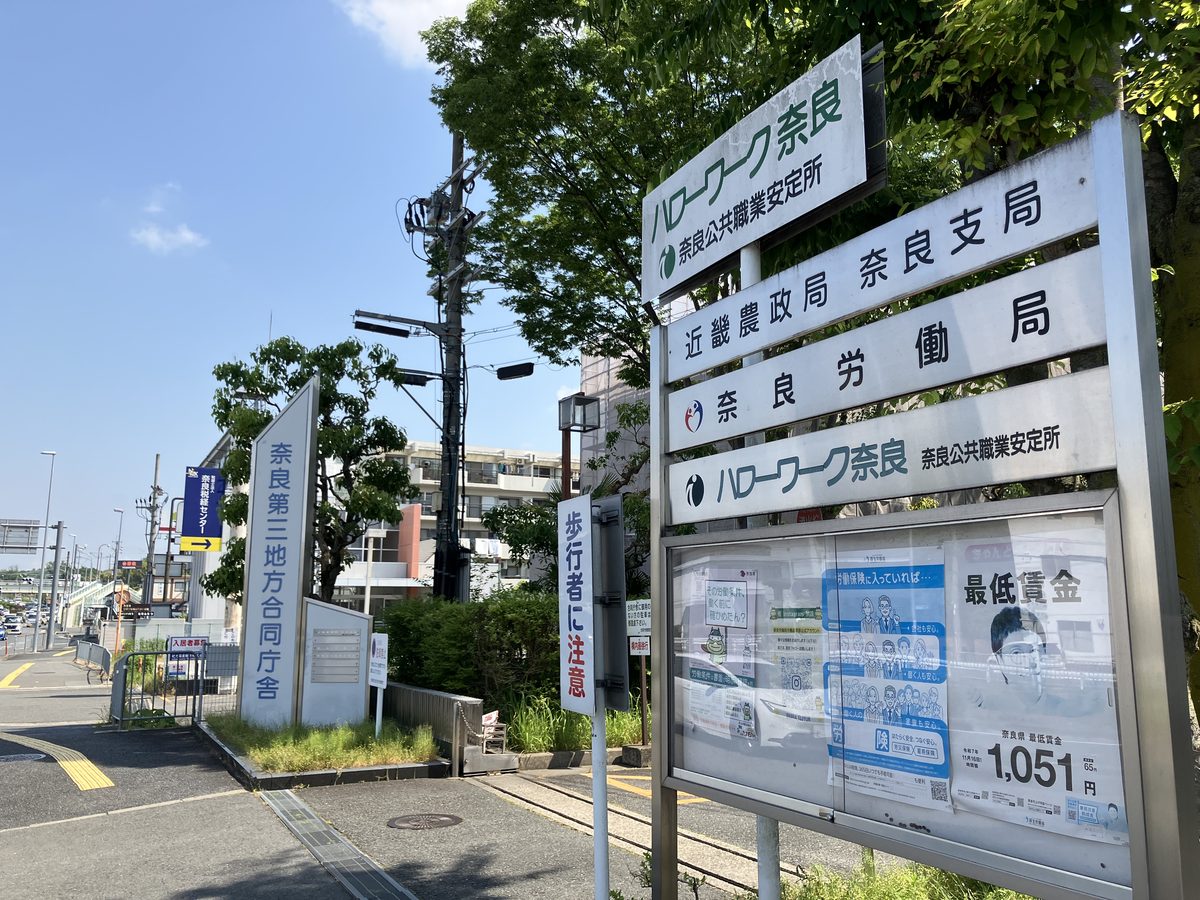
Walking the Grounds — From the Stone Coffin to the Main Hall and the Pond
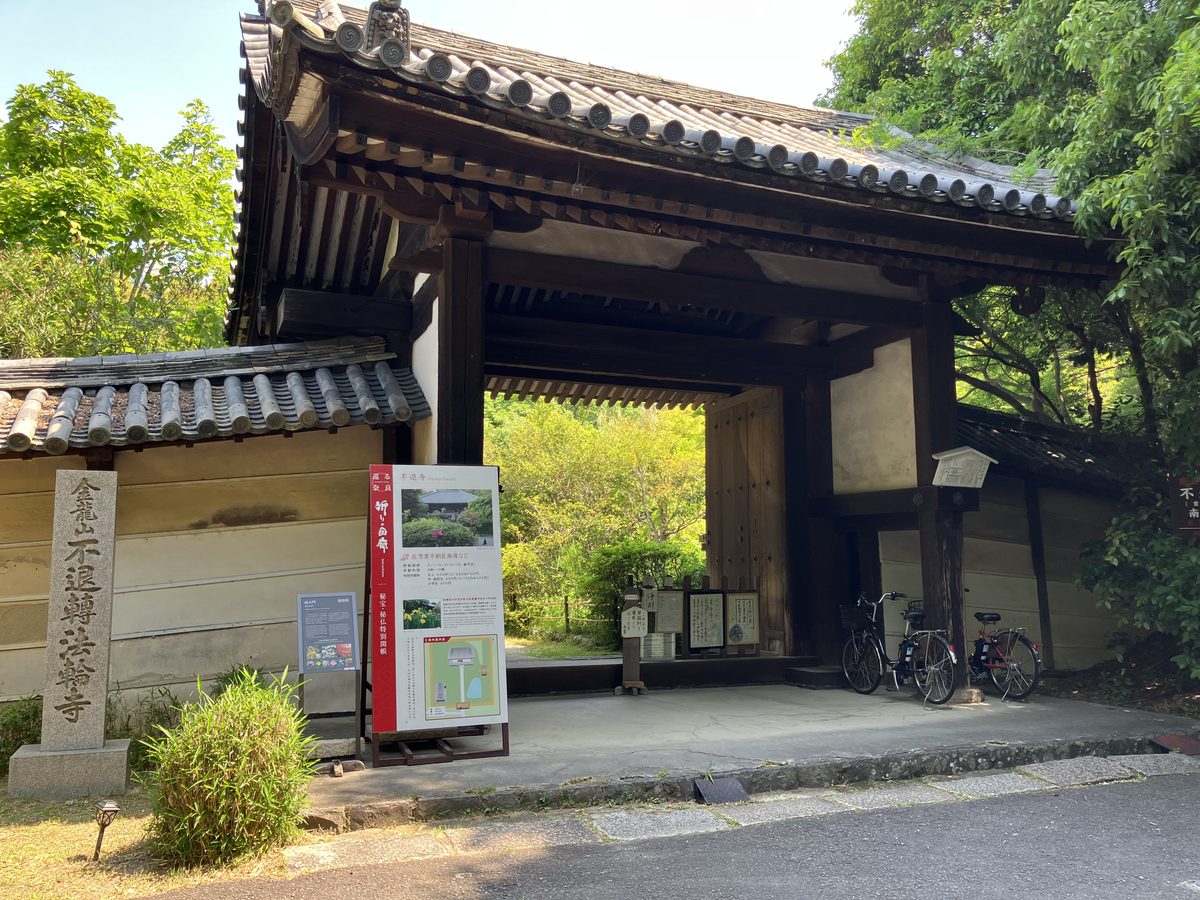
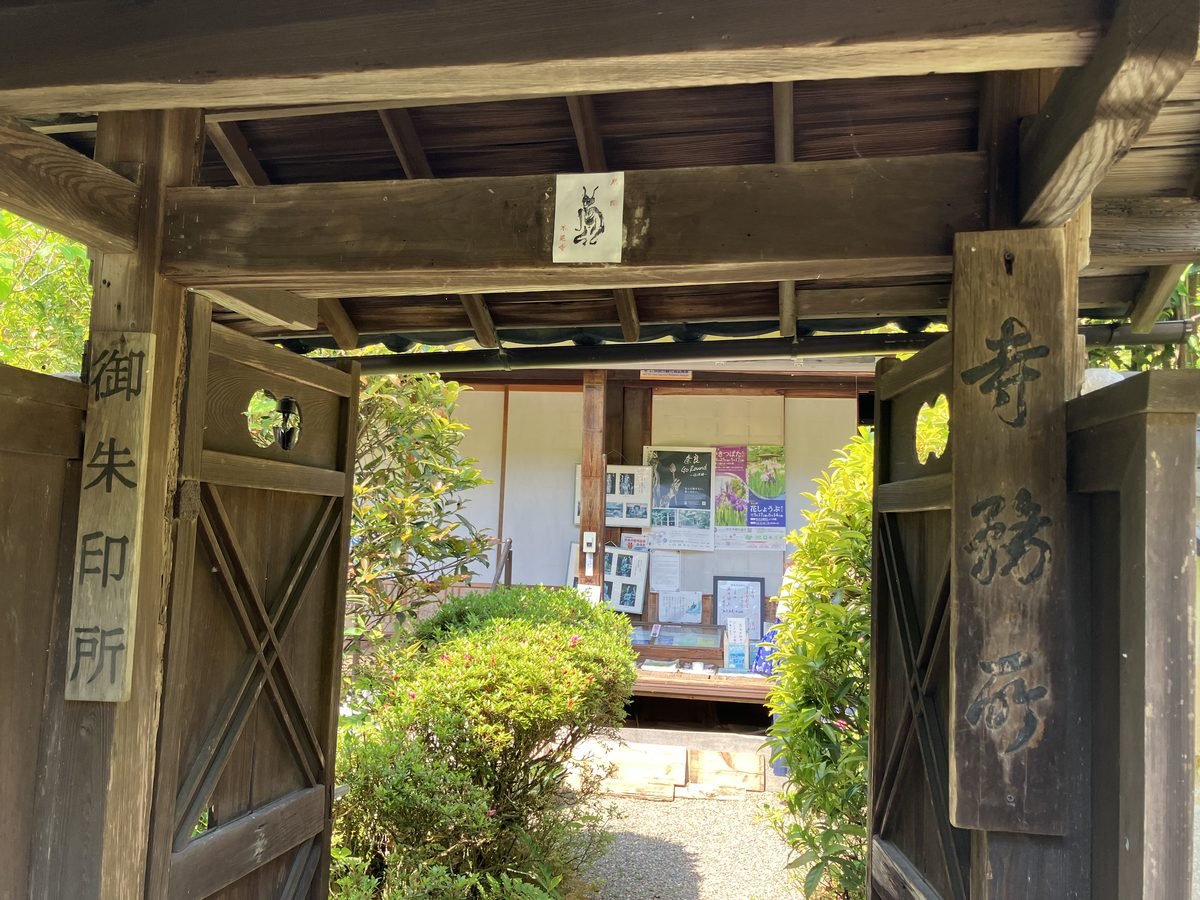
Pass through the green tunnel and the temple gate, and you'll find the reception desk right on your left. If no one is at the desk, follow the signs past it to the temple office on the left (which also serves as the goshuin counter) and pay the admission fee there. Then simply follow the marked route around the grounds.
First Encounter: An Ancient Stone Coffin
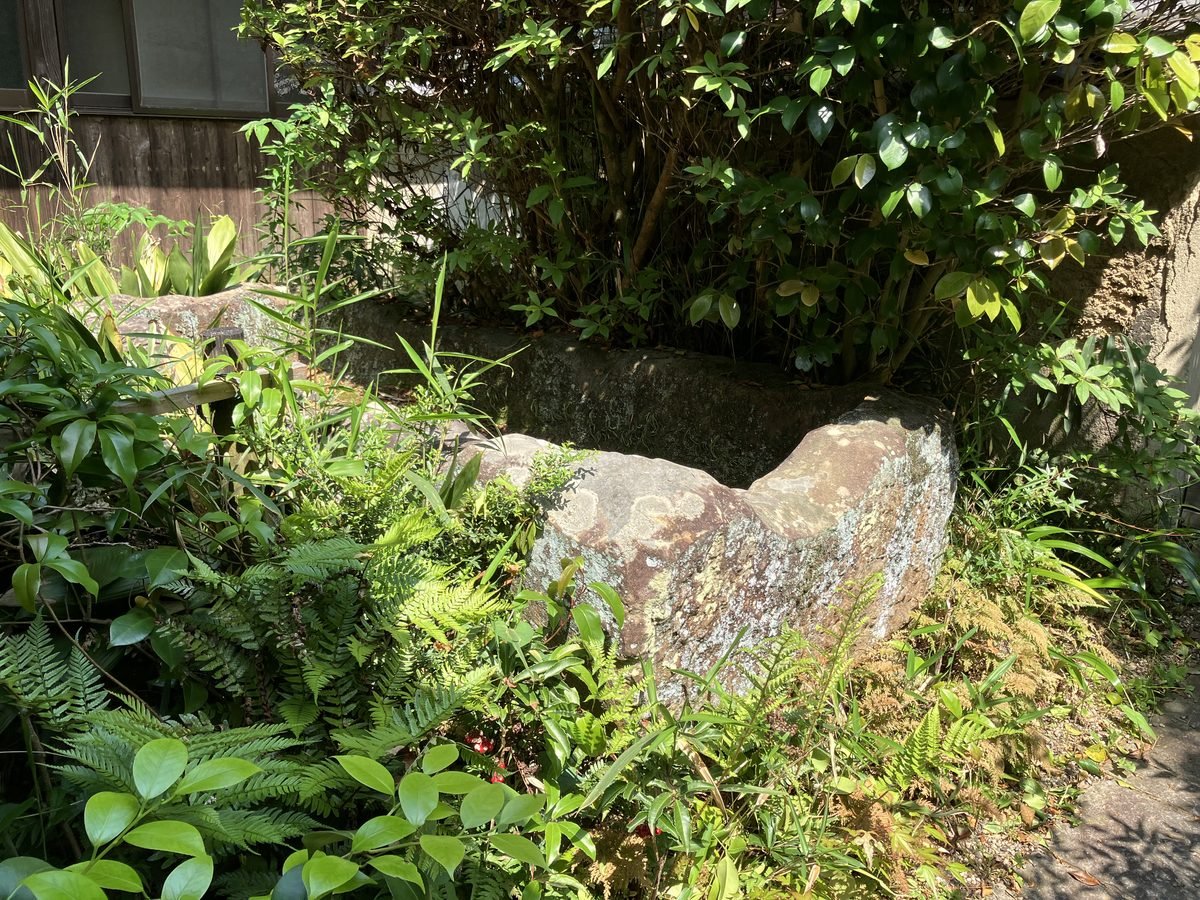
The first thing you meet along the route is a stone coffin. According to the sign beside it, it was excavated from the Hiratsuka burial mound, which stood just south of the nearby Uwanabe Kofun, and it is about 2.7 m long — a boat-shaped, split-bamboo-style coffin. The sign also notes that it still bears many marks left by people who sharpened their sickles on it while cutting grass. A stone even older than the temple, worn by everyday life — it's hard not to lean in for a closer look.
The Main Hall — the Narihira Kannon and Nara's Only Heian-Period Five Wisdom Kings
Next, follow the signs to the main hall.
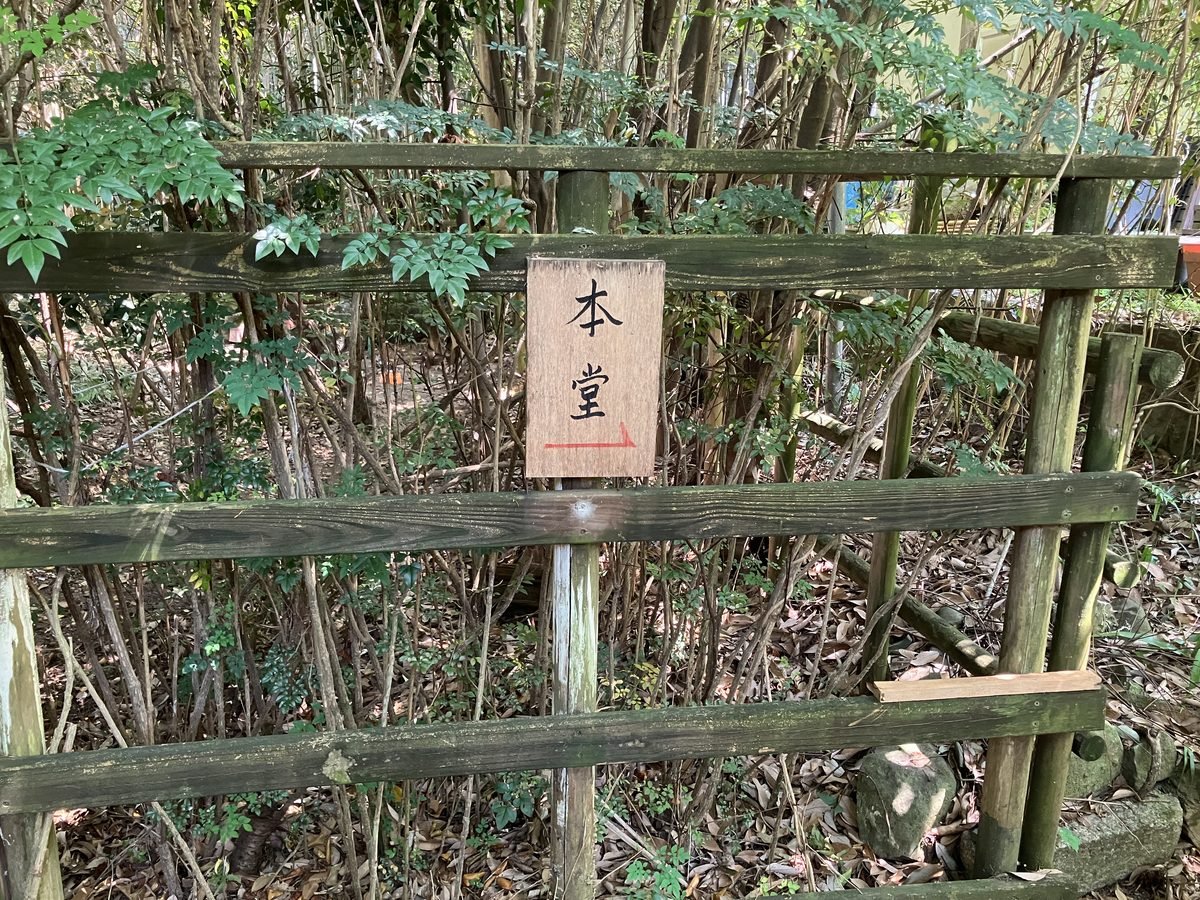
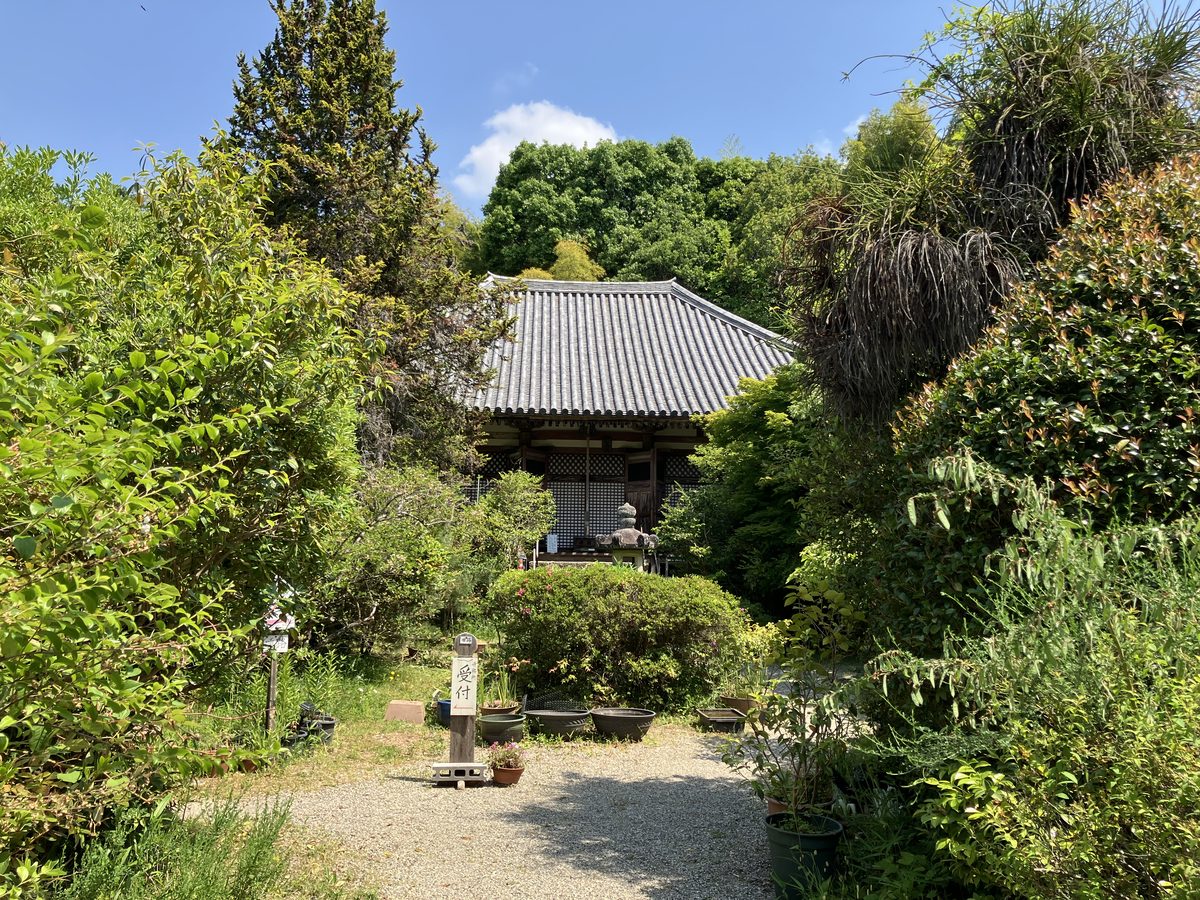
The main hall dates from the late Kamakura period and is a National Important Cultural Property. It is a modest building, yet inside lies a collection of treasures far beyond what the exterior suggests.
- Standing Sho Kannon Bodhisattva (the Narihira Kannon): The principal image, about 1.9 m tall, said to have been carved by Narihira himself (Heian period, Important Cultural Property). The ribbons of its crown are tied like a large bow, and its face is gentle and soft. According to the temple, the statue was once a hidden Buddha, but it has been on display ever since the Meiji era.
- The Five Wisdom Kings (Godai Myoo): Five guardian statues centered on Fudo Myoo (Heian period, Important Cultural Property). According to the temple, this is the only place in Nara where Heian-period statues of the Five Wisdom Kings survive. Wisdom Kings usually wear fierce, wrathful expressions, but these have a strangely calm look about them.
- A statue of Jizo Bodhisattva is also enshrined around the principal image.
When I visited in May (during the spring treasure opening), I was also able to see a portrait of Narihira and a statue of Prince Shotoku in the main hall. The portrait of Narihira, in particular, is what stayed with me most at this temple. It isn't on view all year round, but if you get the chance, please take a look.
Photography is not permitted inside the main hall. Seeing these treasures up close is a privilege reserved only for those who make the journey here. Please come and see them with your own eyes.
The Tahoto Pagoda and Narihira's Poem Monument
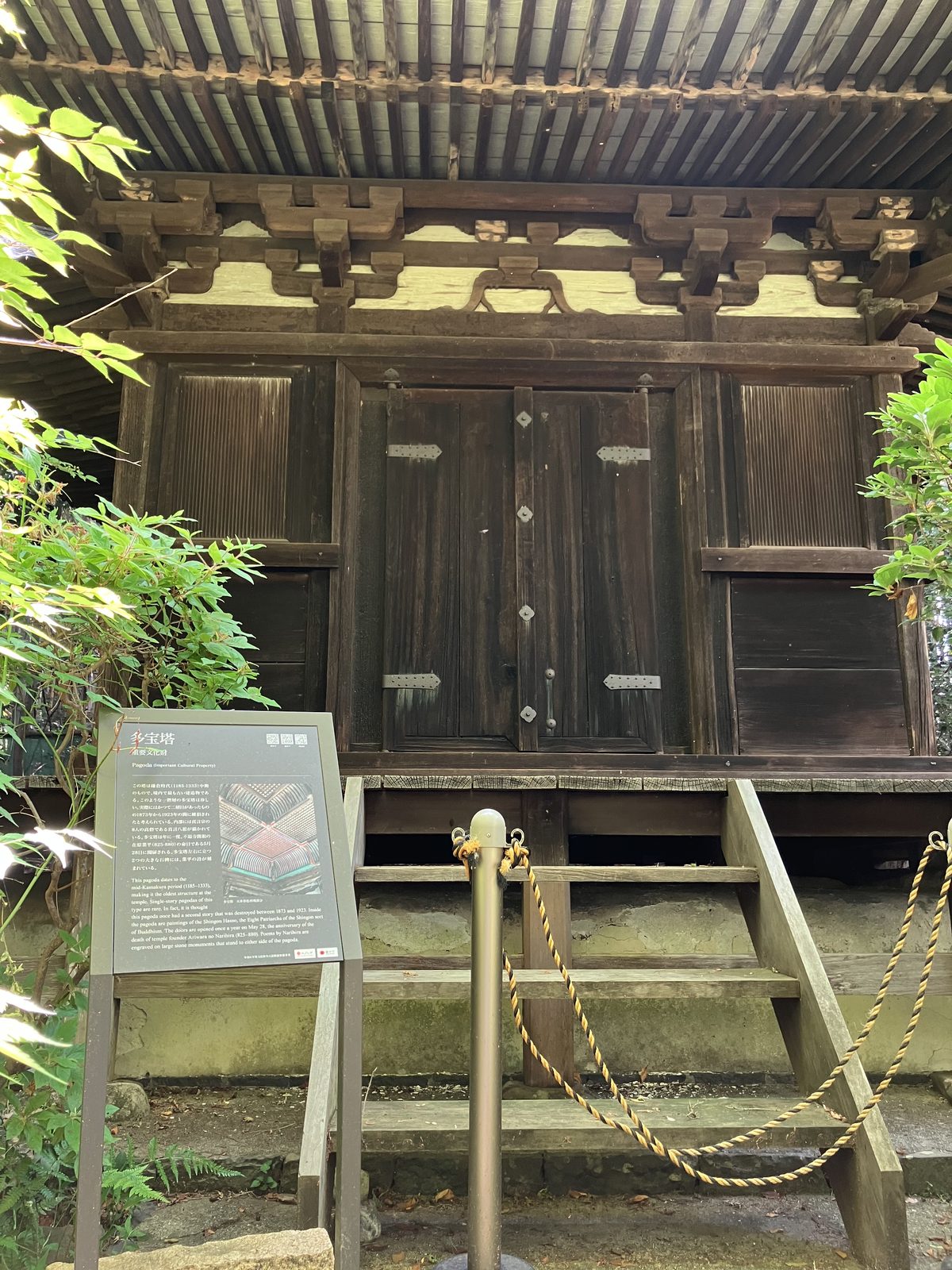
After the main hall, head to the tahoto pagoda. Built in the mid-Kamakura period, it is the oldest building in the temple (Important Cultural Property). It was originally a two-story pagoda, but only the first story remains today. Its doors are opened on just one day a year: May 28, Narihira Memorial Day, the anniversary of his death.
Flowers Around the Pond
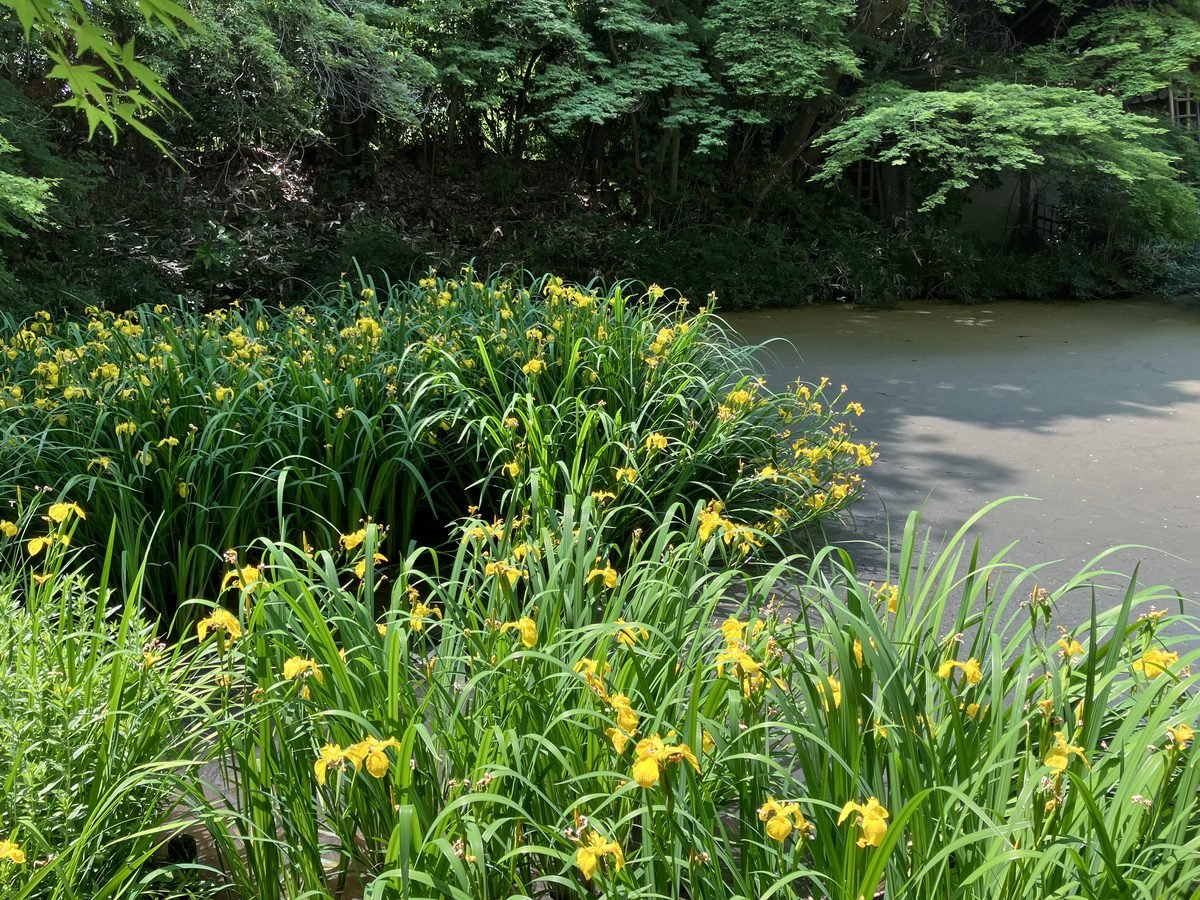
Futaiji is also known as a temple of flowers. According to the temple, work on the garden began around 1965, and today more than 500 kinds of plants keep it in bloom all year round. A small bridge, the Narihira Bridge, spans the pond, and you can stroll all the way around it.
Visitor Information — Hours, Admission, Events
| Hours | 9:00–17:00 (last entry around 16:50) · Open every day |
|---|---|
| Admission (adults) | Regular: ¥500 / Spring & autumn treasure openings: ¥600 / Narihira Memorial Day (May 28): ¥700 |
| Admission (students) | Junior high & high school: ¥300 (treasure openings ¥400, May 28 ¥500) Elementary school: ¥200 (treasure openings and May 28 ¥300) |
| Payment | Cash, at the reception (or the temple office beyond it) |
| Time needed | About 30 minutes |
| Treasure openings | Spring: March 1 – May 31 / Autumn: October 1 – November 30 |
| Narihira Memorial Day | May 28 (memorial service from 11:00) · The tahoto pagoda is specially opened |
| Photography | Not permitted inside the main hall |
| Goshuin (temple stamp) | Available at the temple office (goshuin counter) |
| Nearest station | About 20 minutes on foot from Kintetsu Shin-Omiya Station (step-by-step photo directions) |
| Bus | From JR Nara or Kintetsu-Nara Station, take a Nara Kotsu bus bound for "Saidaiji Station (via Hokkeji and Air Self-Defense Force)," get off at "Ichijo Koko-mae (Futaiji-guchi)," then walk north about 5 minutes |
| Parking | 8 car spaces in front of the gate, free (may be unavailable on May 28 and during peak autumn colors) |
* Checked in October 2026 against Futaiji's official website and the Nara City Tourism Association. The time needed is the temple's guideline; it took me (Masaru) about 30 minutes as well. Please check the latest information before you go.
How to Visit — Go First Thing in the Morning
My recommended time is first thing in the morning, when few people are around. If you arrive early enough that no one is at the reception yet and you have to walk over to the temple office to pay, the stillness of the grounds feels even deeper. Admission opens at 9:00.
Plan on about 30 minutes inside the grounds. A member of the temple staff is in the main hall, so if anything catches your interest, feel free to ask.
Futaiji lies in the area known as "Heijo Palace Site / Saho-ji / Saki-ji," where quiet old temples are dotted about. If you have the time and energy, you could even make a one-day course of it: walk north from Shin-Omiya Station, then west, visiting No. 007 Kairyuoji Temple (about 20 minutes on foot from Futaiji), No. 008 Hokkeji Temple (about 5 more minutes), and No. 009 Heijo Palace Site (about 15 more minutes). That said, visiting all four means quite a lot of walking, so please don't push yourself if you're not used to it. The Heijo Palace Site is usually reached from Yamato-Saidaiji Station, so visiting it on another day is a fine choice, too.
🏨 Staying Overnight in Nara?
If you want to visit in the quiet of early morning, staying in Nara the night before lets you start the day at an easy pace. You can search for and book hotels and ryokan (Japanese inns) in Nara on Klook. Below are some of the places to stay in Nara listed on Klook.
Ad
Seasonal Highlights — A Temple in Bloom All Year
According to the Nara City Tourism Association's flower calendar, these are the flowers you can enjoy at Futaiji:
- Forsythia (about 500 shrubs): mid-March to early April
- Yellow iris: early to mid-May
- Water lilies: late June to November
- Camellias (over 300): October to May
- Autumn maples: late November to early December
The temple also holds its treasure openings in spring and autumn, so it can be fun to choose your timing with both the flowers and the treasures in mind.
Frequently Asked Questions
How much is admission to Futaiji Temple?
For adults, it is ¥500 normally, ¥600 during the spring (March 1 – May 31) and autumn (October 1 – November 30) treasure openings, and ¥700 on May 28, Narihira Memorial Day. Please pay in cash at the reception (or the temple office beyond it).
How long does a visit take?
The temple's guideline is about 30 minutes, and it took me about 30 minutes as well. Admission is from 9:00 until around 16:50, and the temple is open every day.
Can I take photos?
Photography is not allowed inside the main hall. In the grounds, I was able to photograph the stone coffin, the pagoda, the pond flowers and so on, as you can see in this article.
Can I get there by bus?
Yes. From JR Nara or Kintetsu-Nara Station, take a Nara Kotsu bus bound for "Saidaiji Station (via Hokkeji and Air Self-Defense Force)," get off at "Ichijo Koko-mae (Futaiji-guchi)," and walk north about 5 minutes. If you're coming by train, see the step-by-step photo directions from Kintetsu Shin-Omiya Station.
Can I see the portrait of Narihira at any time?
No, it isn't on view all year round. When I visited in May (during the spring treasure opening), I was able to see it in the main hall. The principal Sho Kannon statue and the Five Wisdom Kings can be seen at any time of year.
Can I receive a goshuin (temple stamp)?
Yes. The temple office on the left, just past the reception, also serves as the goshuin counter.
The Charm of Futaiji Temple
How did you enjoy this guide?
To be honest, Futaiji is a plain temple. It feels like an old temple deep in the Nara countryside, with no glamour at all. At least during the hours I was there, I hardly saw any visitors from overseas. It is also quite different in character from Kairyuoji and Hokkeji, which I'll introduce in the next articles.
But that is exactly the point. Step through the green tunnel and you enter another world. In these quiet, intimate grounds, you stand before so many of Japan's treasures and find yourself facing your own heart, too. I hope you'll savor this sense of stepping out of time and out of the everyday.
This blog will continue to introduce places like this — corners of Nara that most visitors never find, where something extraordinary waits to be discovered. Please come and see them with your own eyes.
A Temple Where Time Has Stood Still Since Ancient Days 🏯
Please come and enjoy Futaiji Temple — a place where ancient history breathes in every stone and shadow.
Your own Nara is waiting for you.