Know the Enemy, Know Yourself
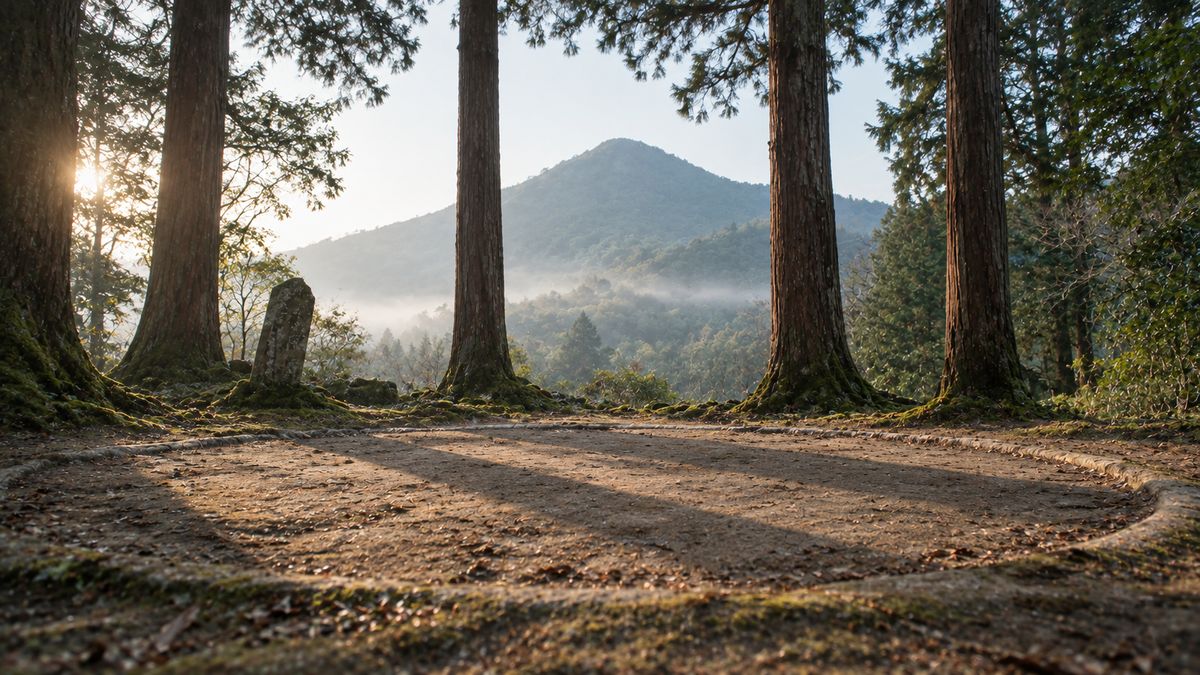
In Sakurai City, at the foot of Mount Miwa in the district of Makimuku, stands a small shrine said to be the birthplace of sumo. Known as Sumo Jinja, it holds that during the reign of Emperor Suinin, the very first sumo match ever watched by an emperor took place on this ground.
The two men who faced each other were Nomi no Sukune, a warrior of Yamato, and Taima no Kehaya, famed for his tremendous strength. Before they ever grappled, it is said, they stood in silence for a long while, each studying the other's stance, breath, and balance. No book held the answer. The only way to know was to watch the man standing before you.
Traces of the old ring still remain quietly within the grounds today. Few visitors come, and only the wind moving through the sacred grove breaks the silence. Yet standing on this quiet earth, knowing that two men once came to know each other — and, in doing so, came to know themselves — it no longer looks like empty ground.
Sun Tzu's words: "Know the enemy and know yourself, and in a hundred battles you will never be in peril."
The order here actually matters.
"Knowing the other" comes first, and only after that does "knowing yourself" follow.
First, come to know things not only through books, but by touching them through practice.
And as a result, this also leads to knowing yourself.
Standing where the ring once was, it feels as though that single moment of reckoning from nearly two thousand years ago still quietly breathes in this place. Perhaps to truly look at another is, in time, also to look at oneself.